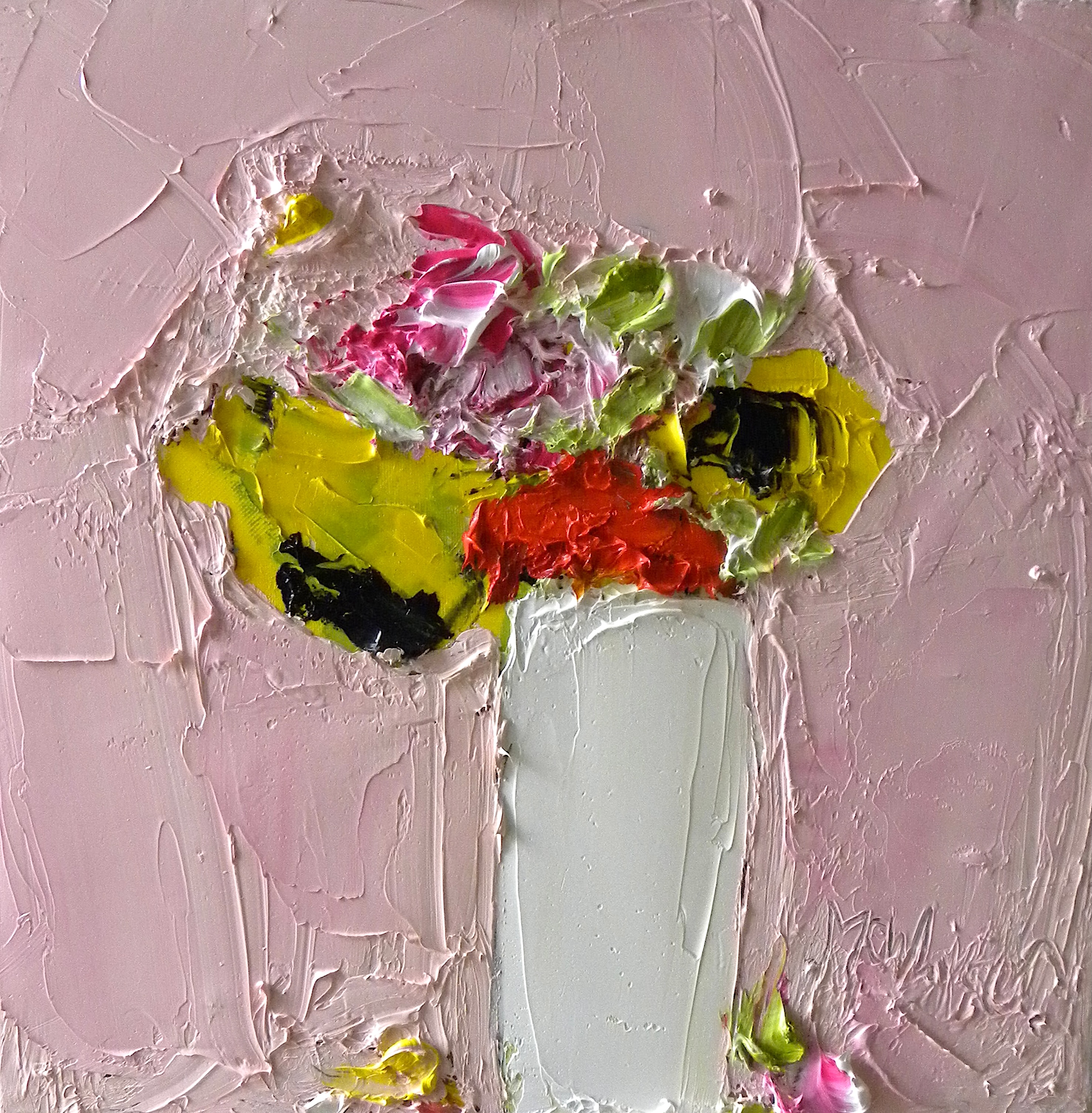
La Vie En Rose | Alison McWhirter
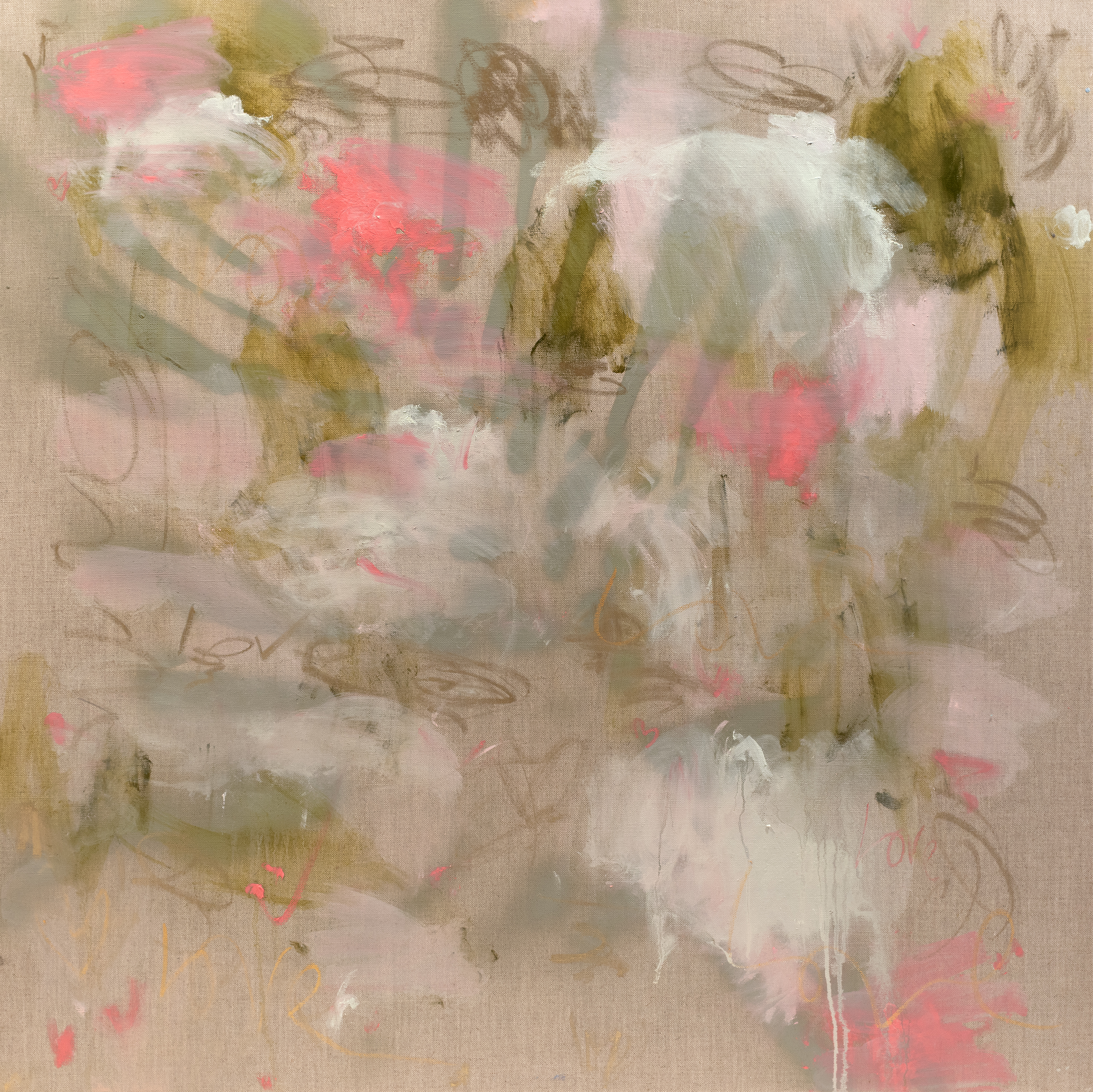
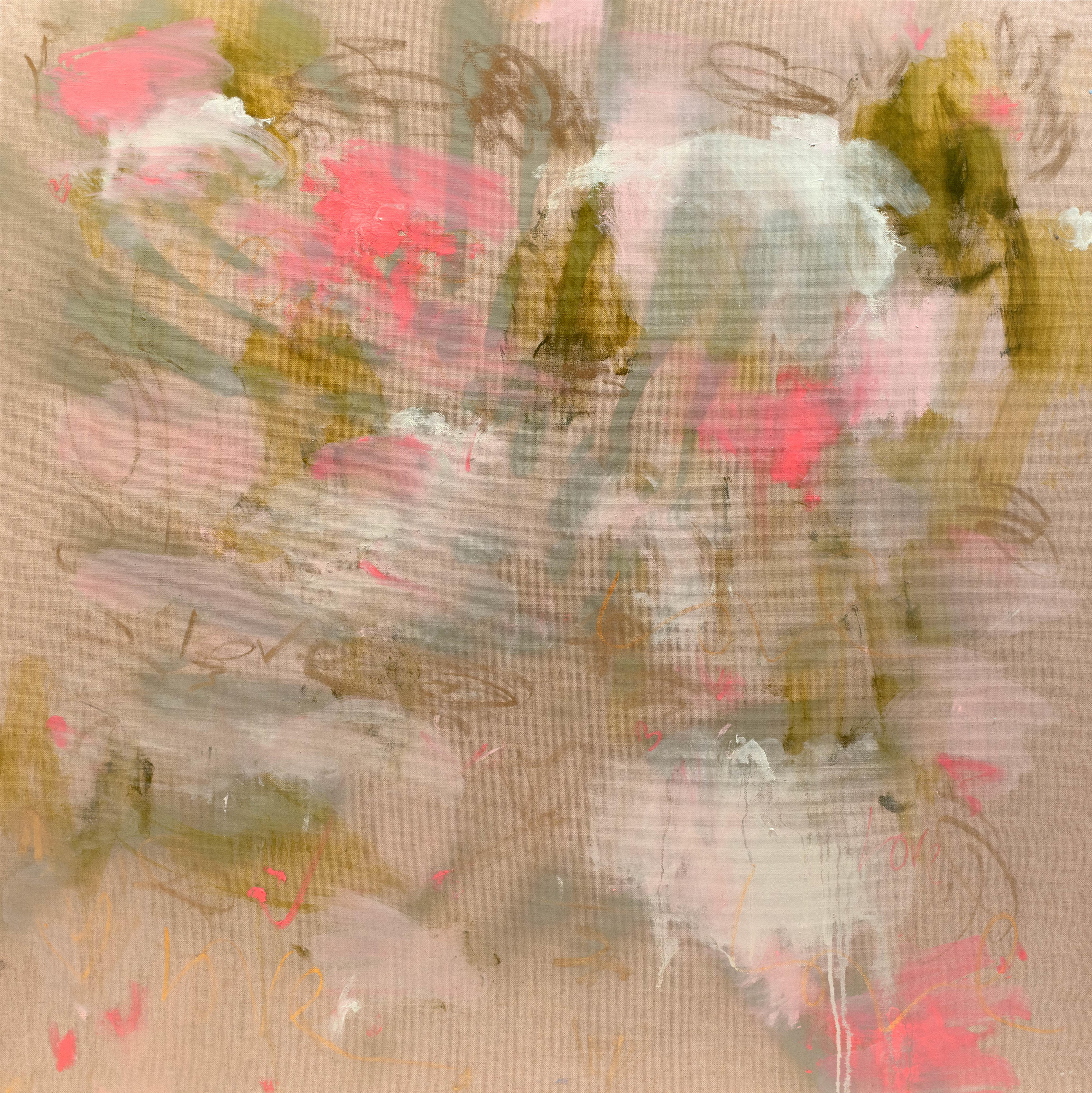
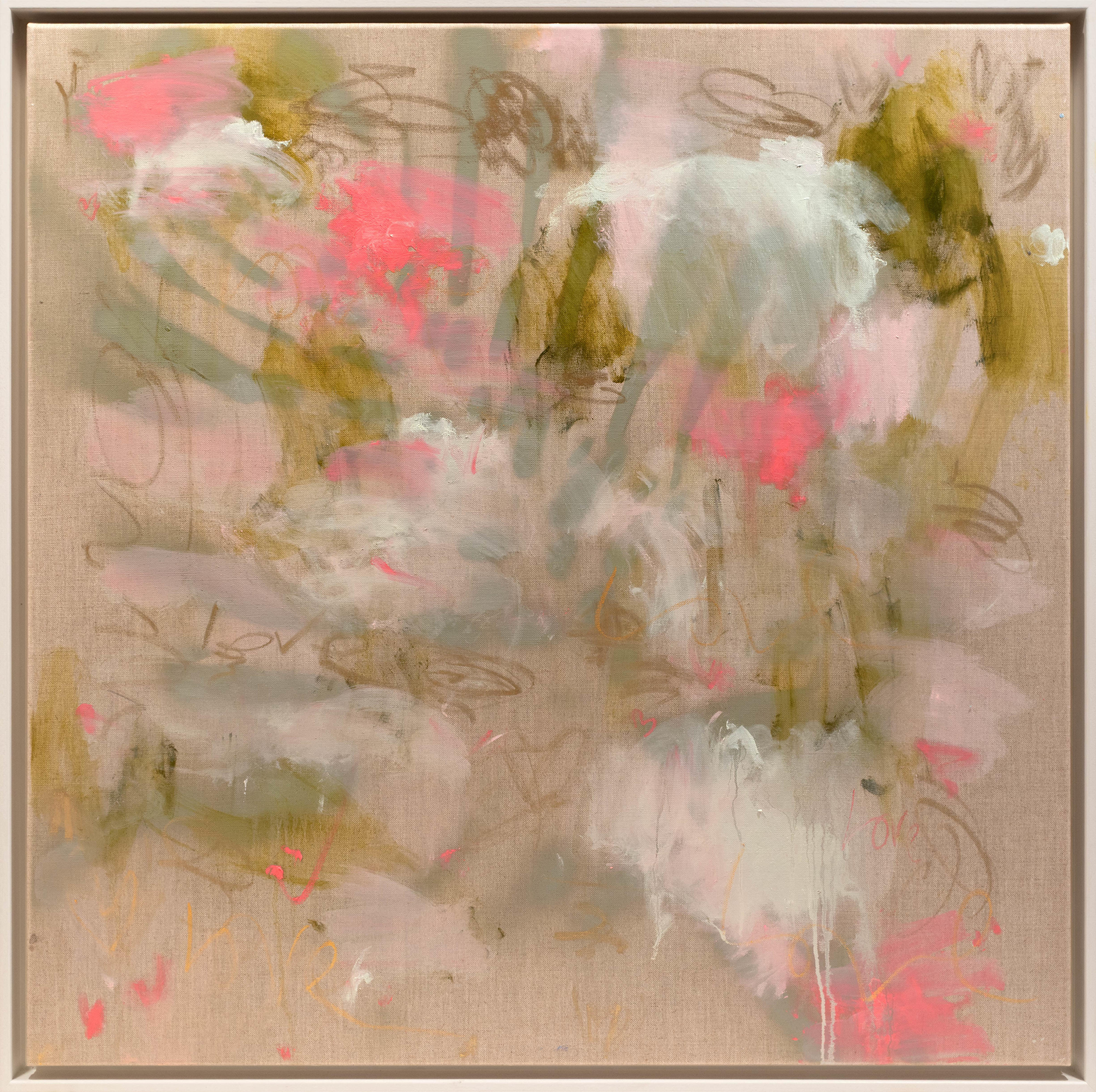
Rose Adagio Framed Size: 106 x 106 cm 106 106
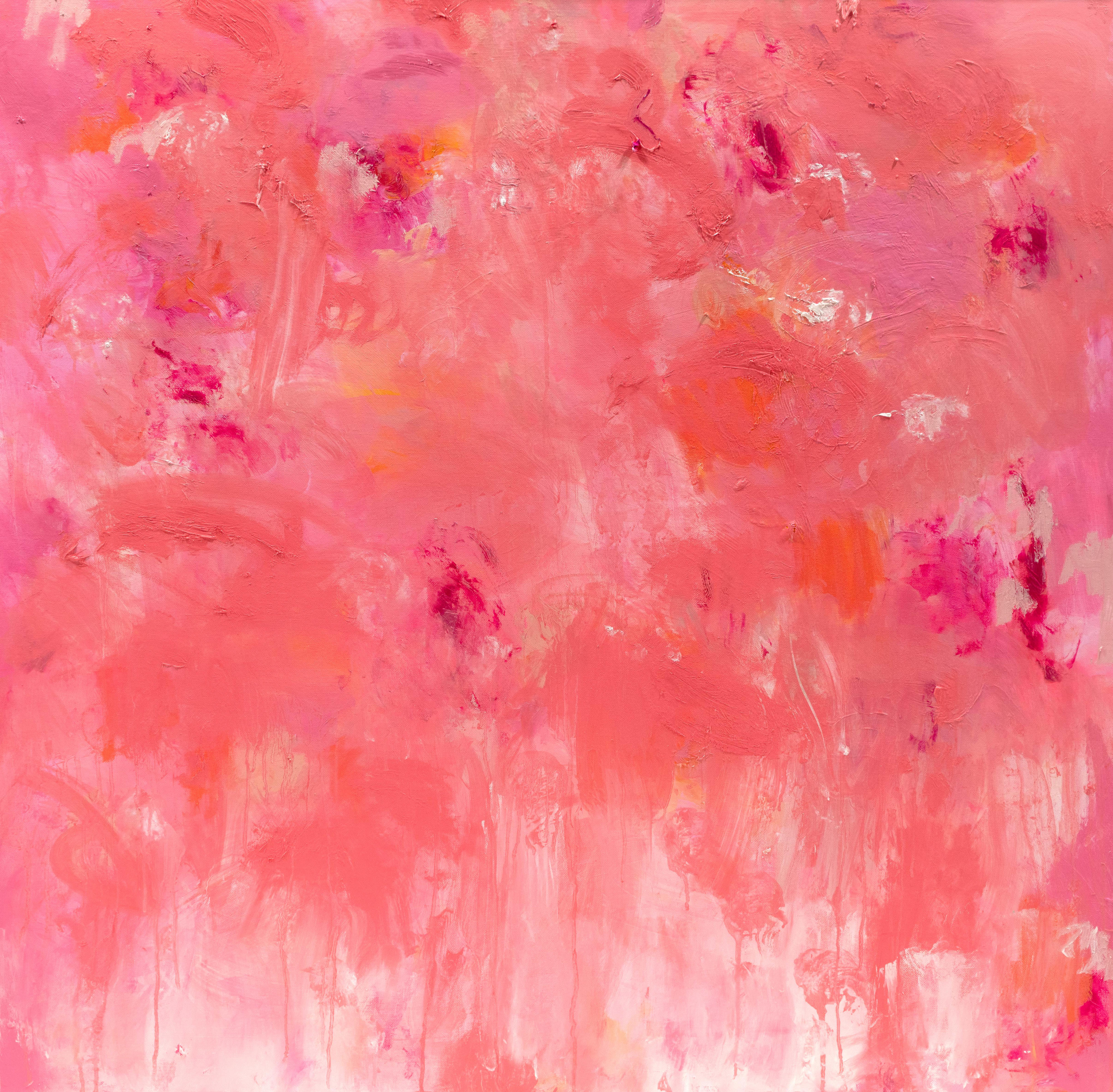
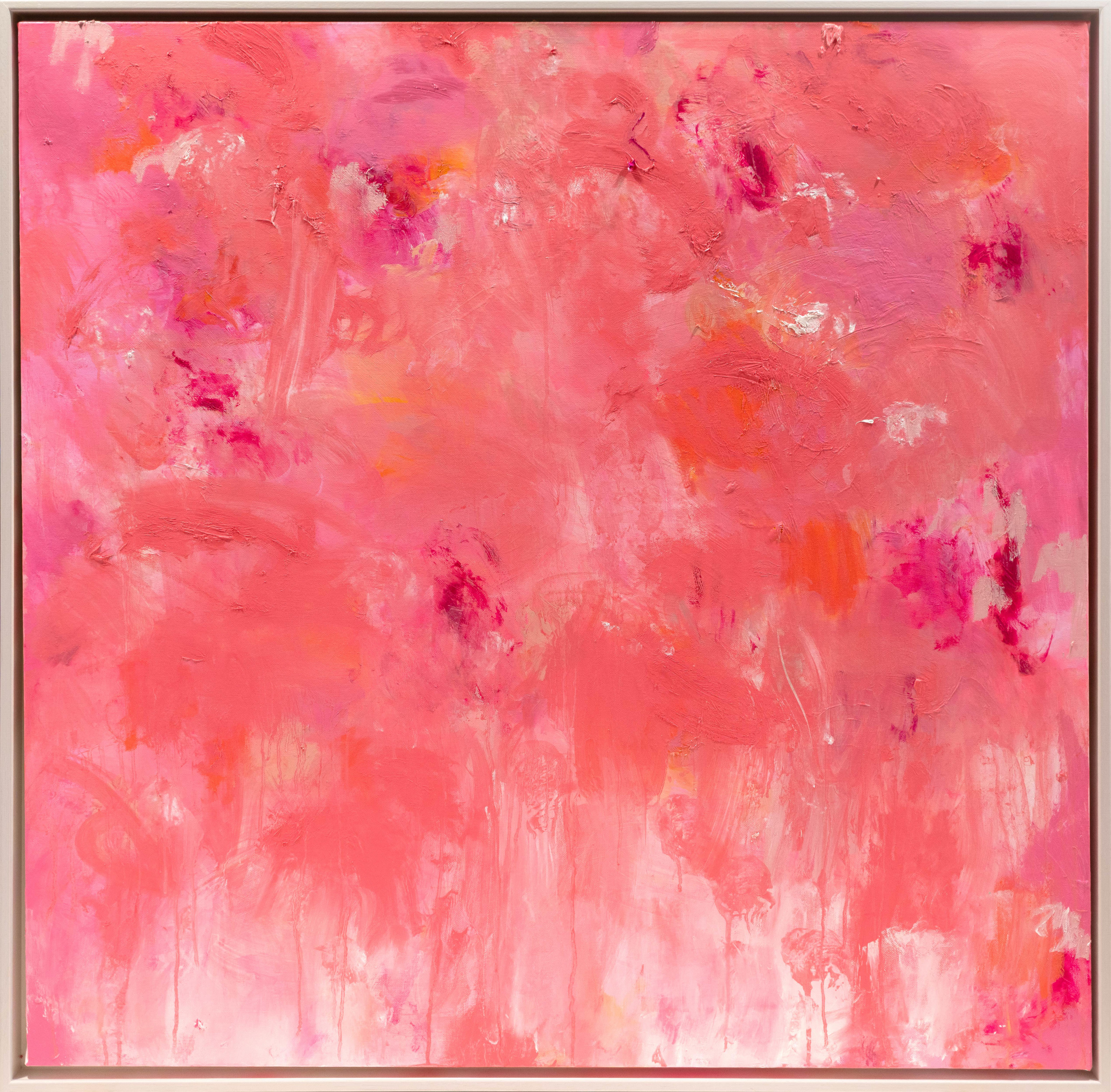
La Vie En Rose Framed Size: 106 x 106 cm 106 106
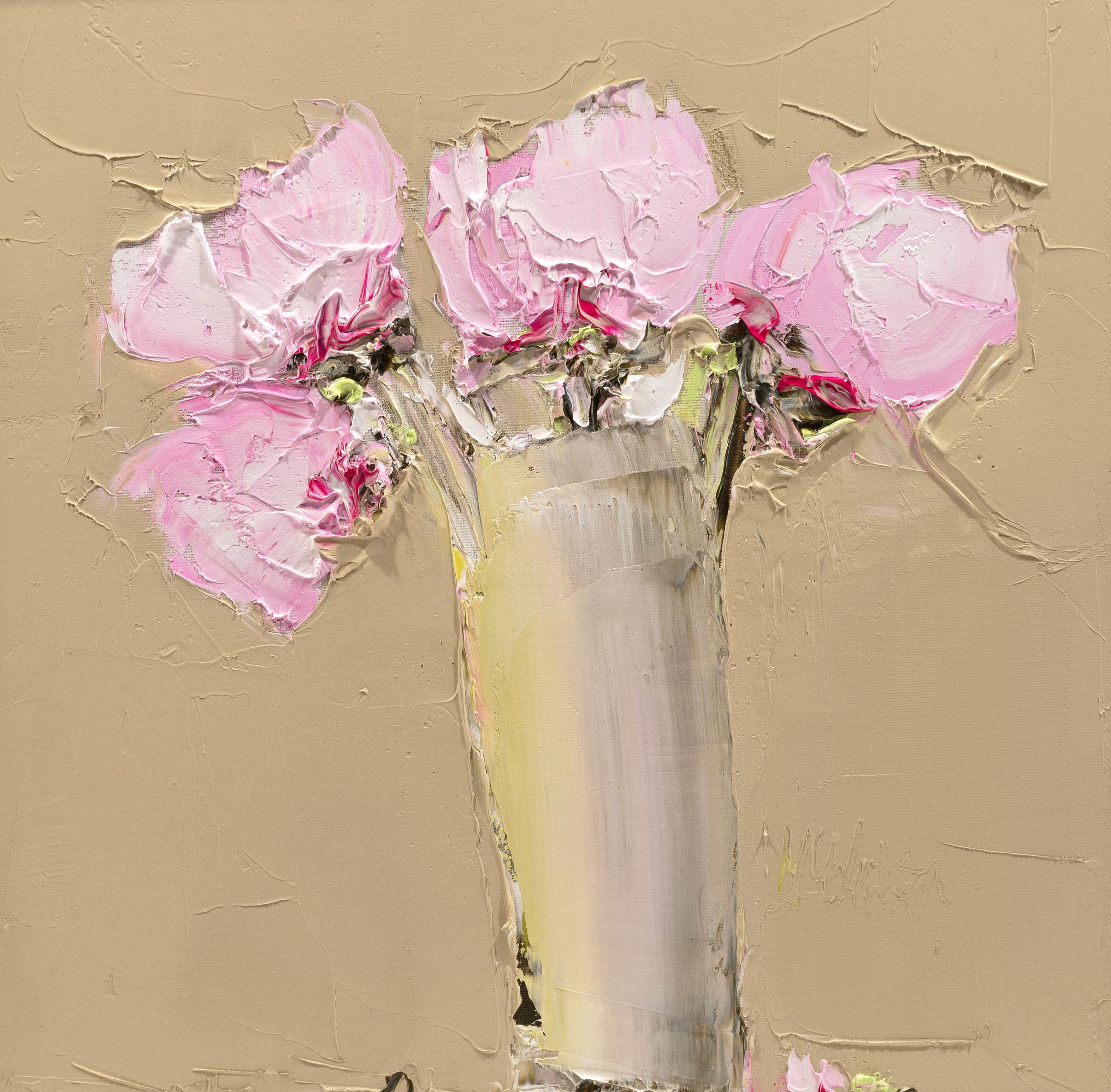
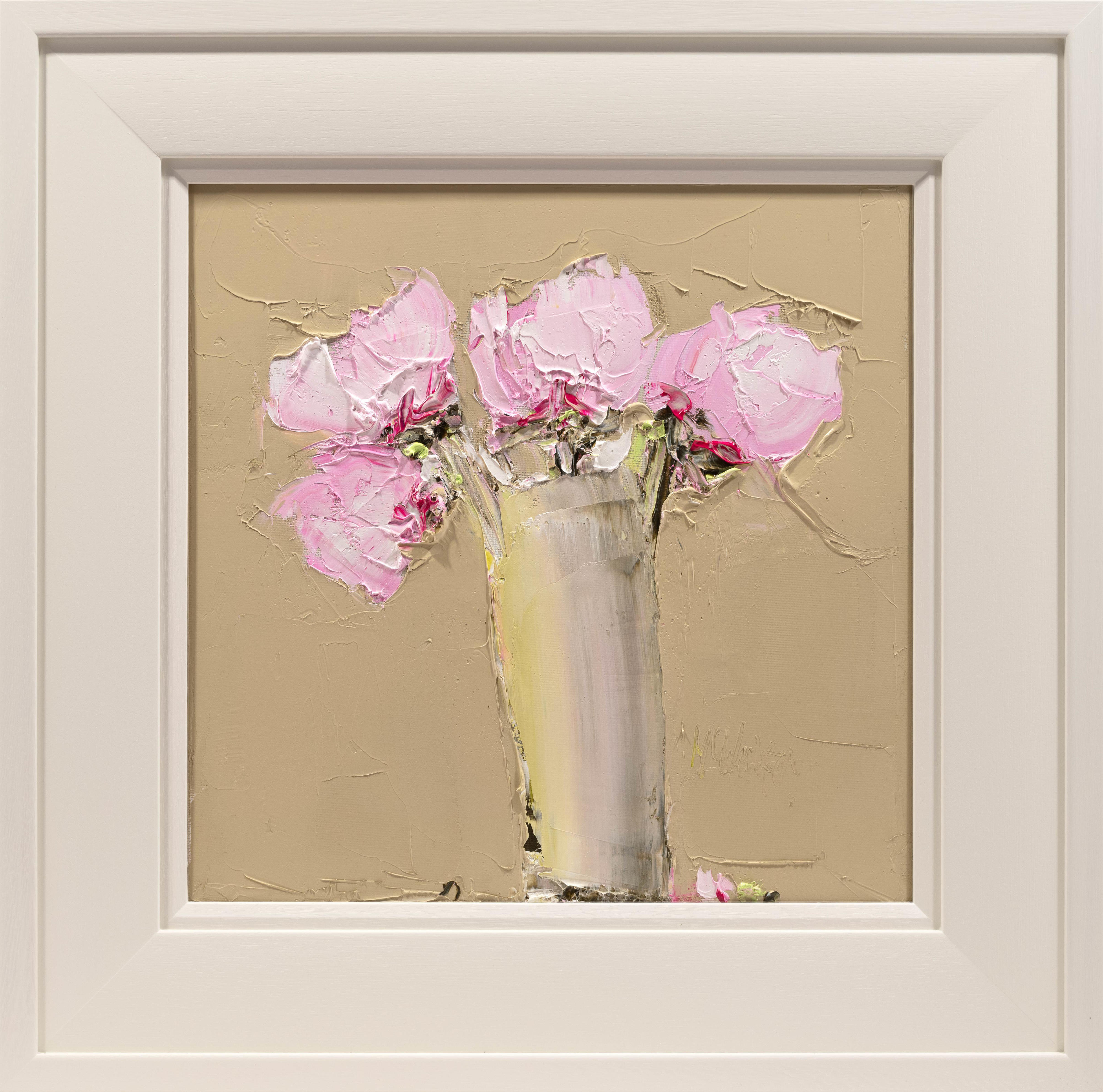
Peony Roses in a Tall Vase against Buff Titanium Framed Size: 59 x 59 cm 59 59
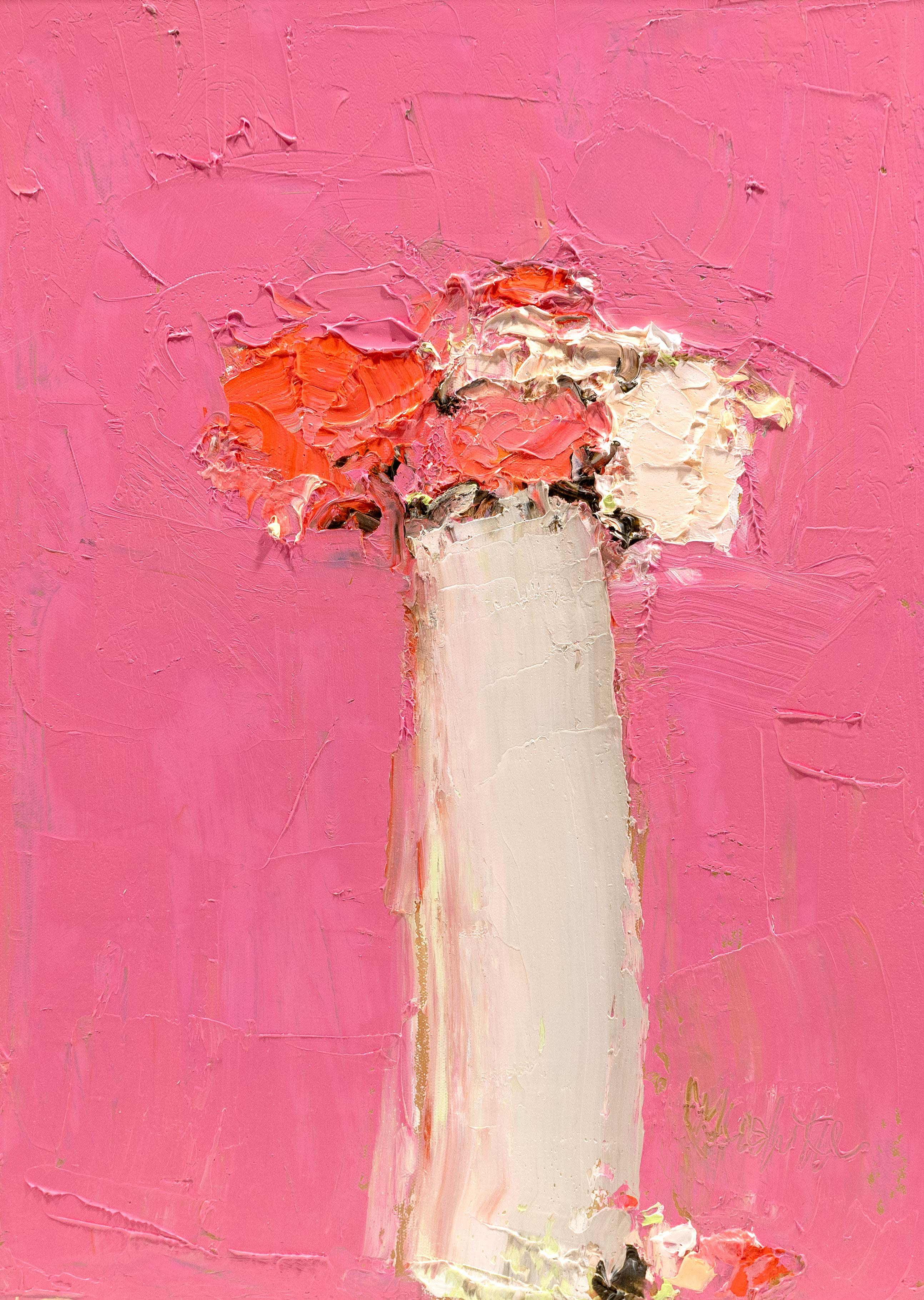
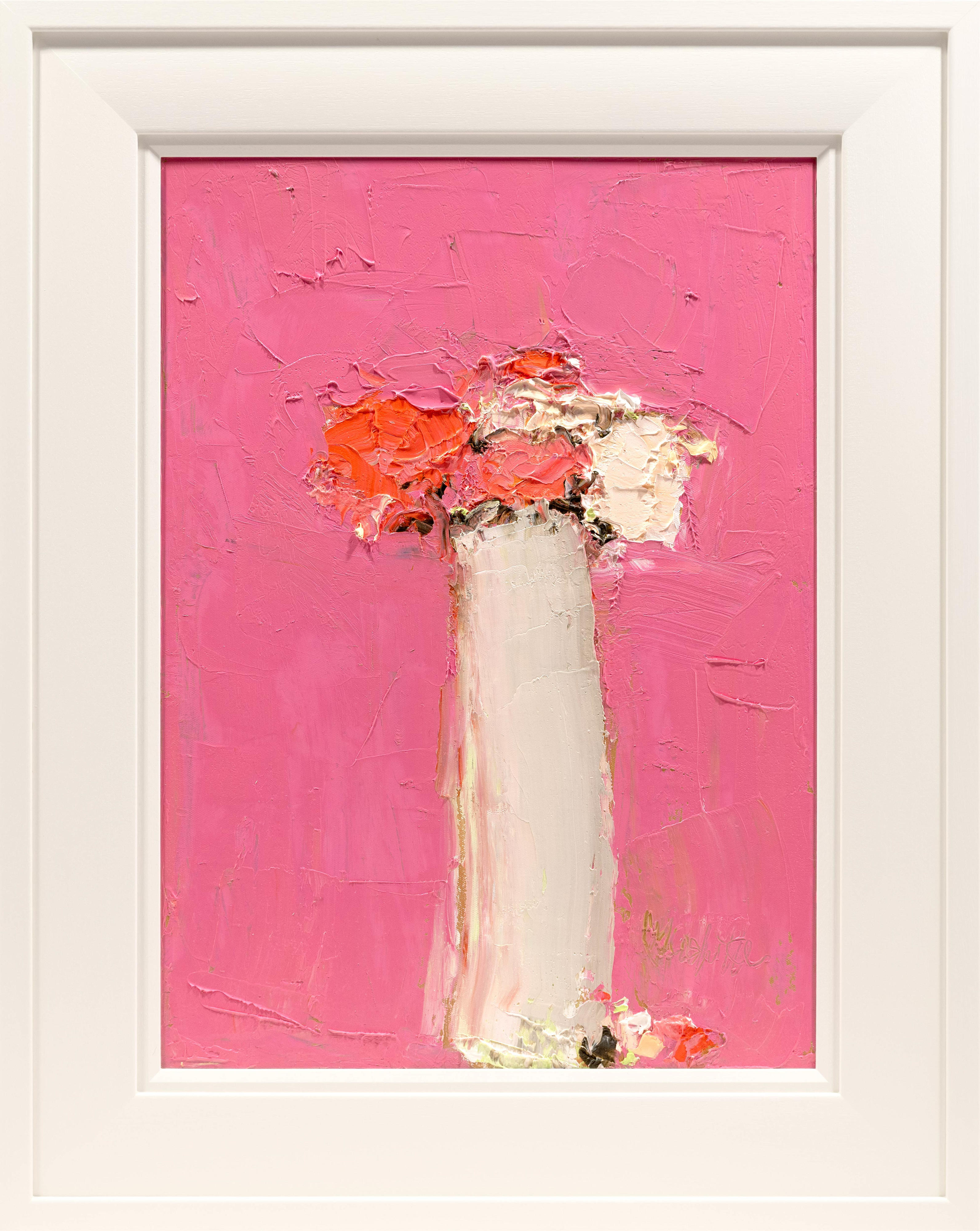
Vanessa Bell Rose and Coral Flame Rose against Brilliant Pink Framed Size: 61 x 79 cm 61 79
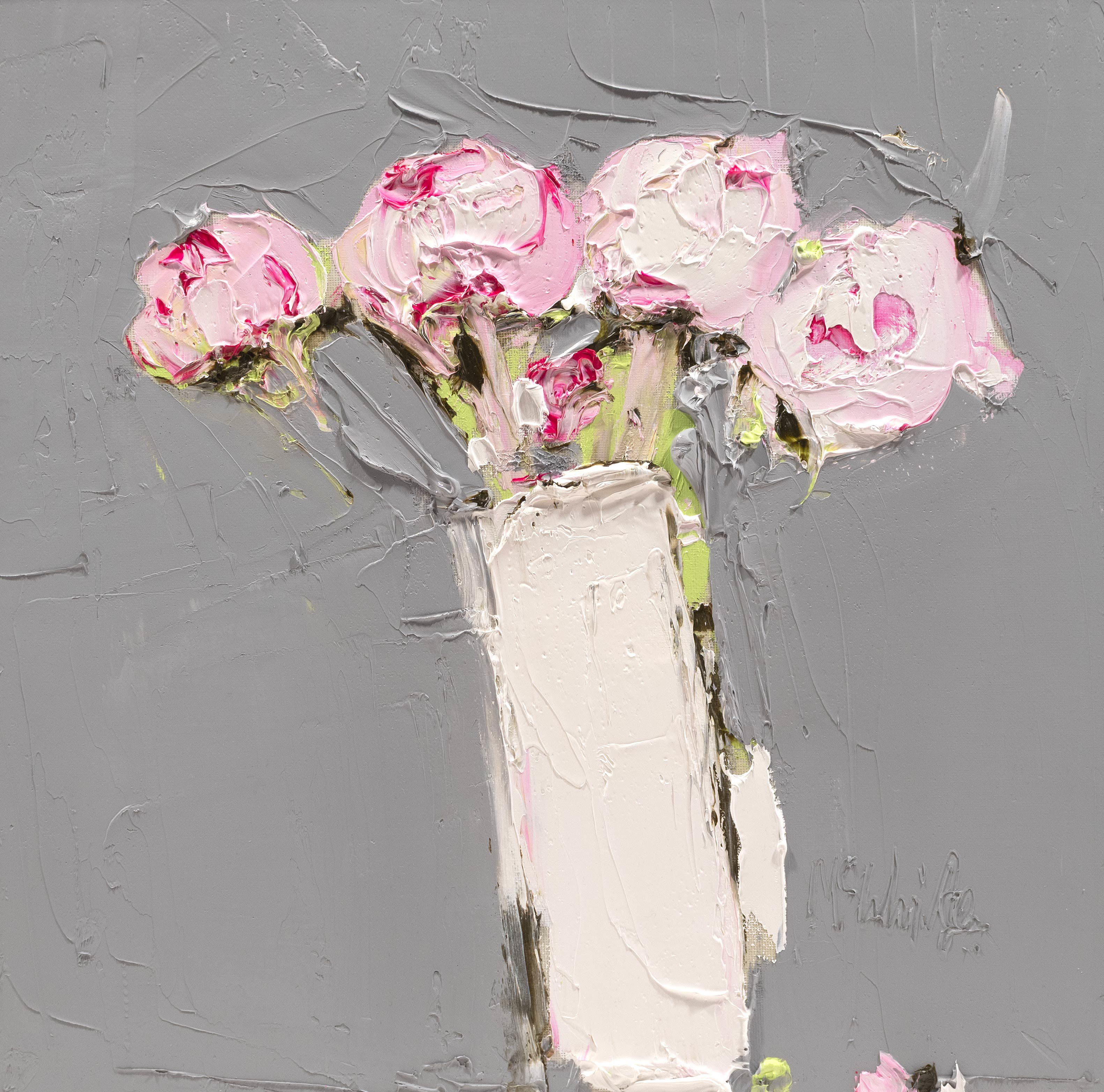
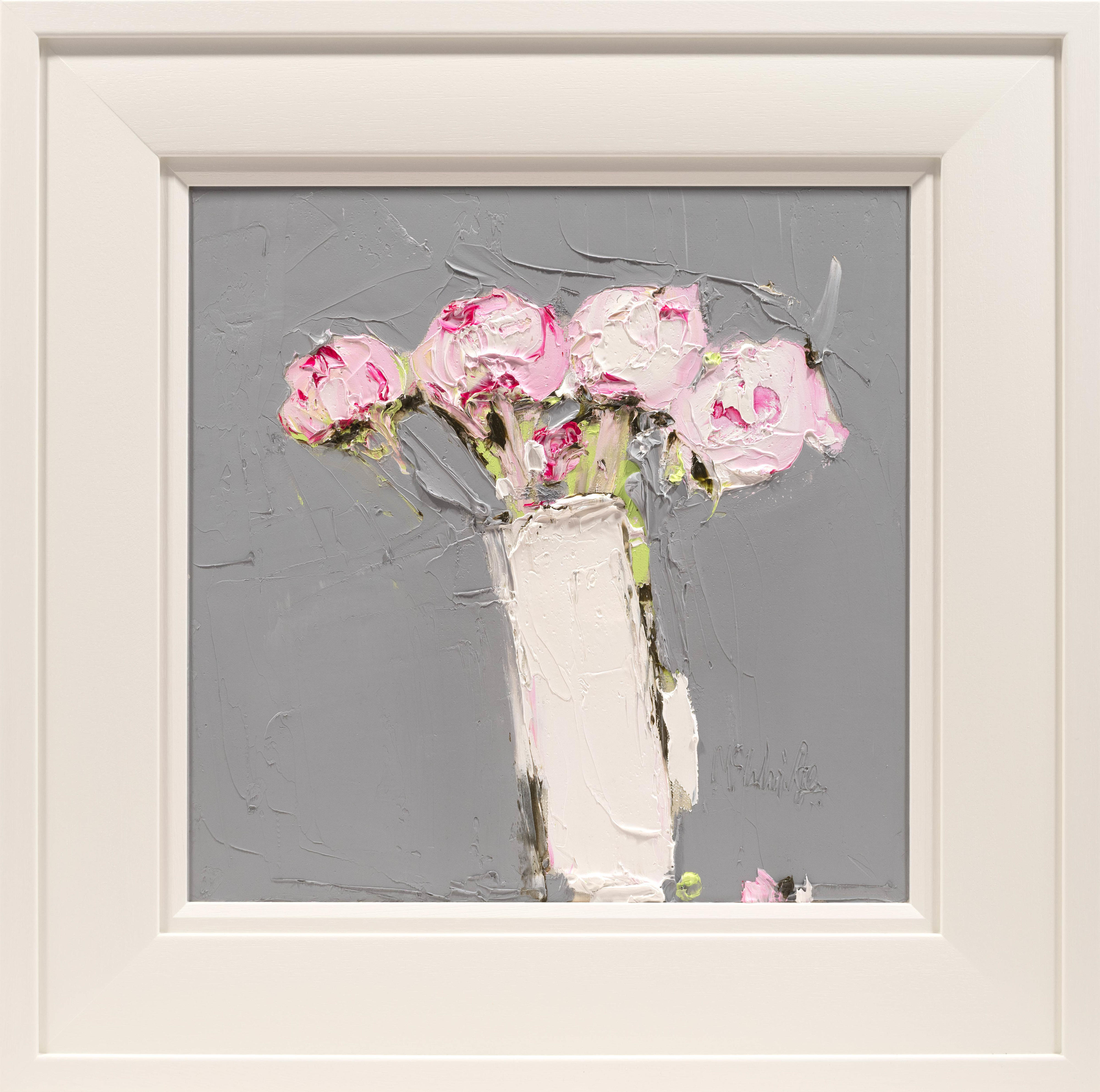
Peony Buds against Slate Grey Framed Size: 59 x 59 cm 59 59
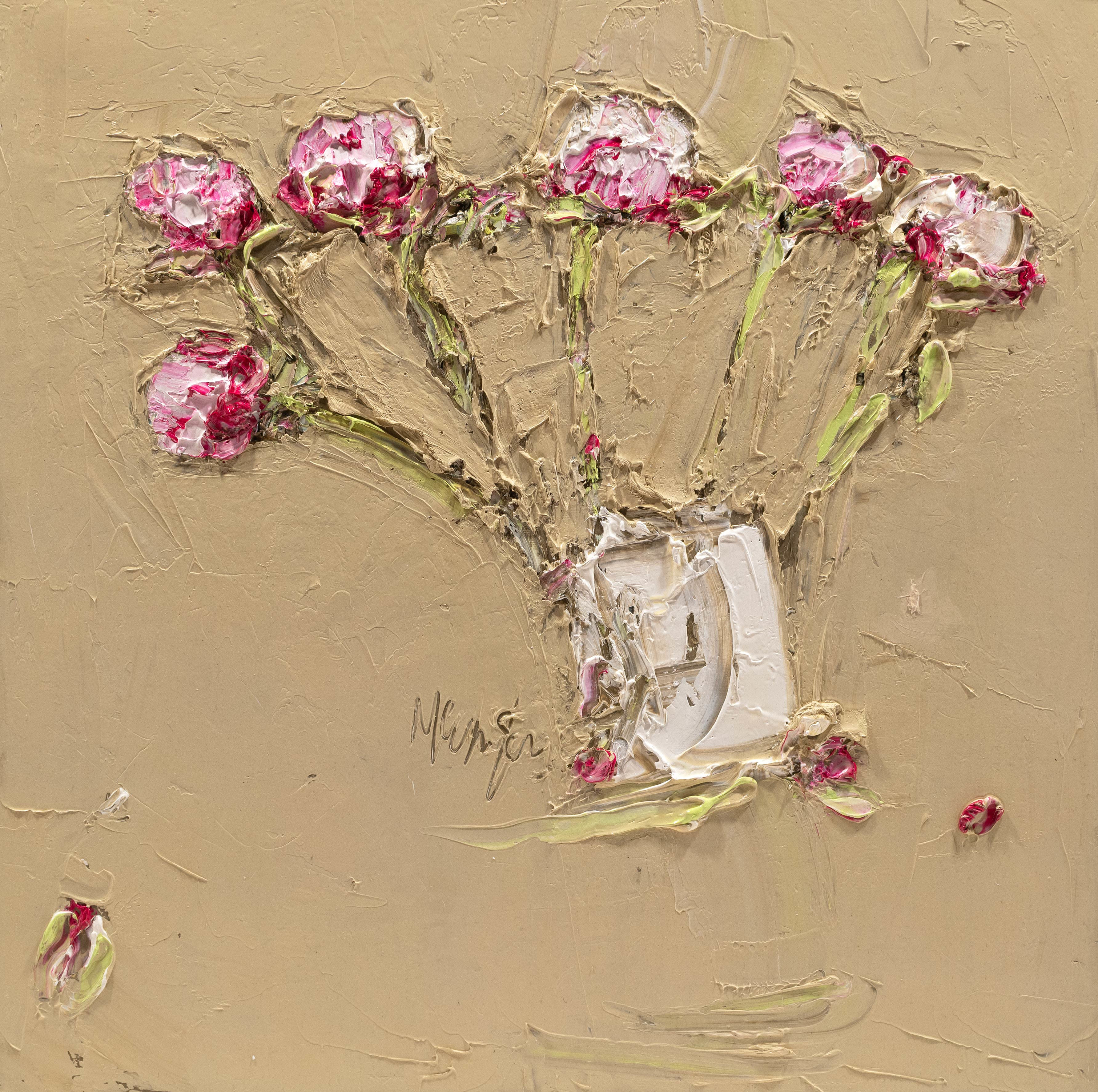
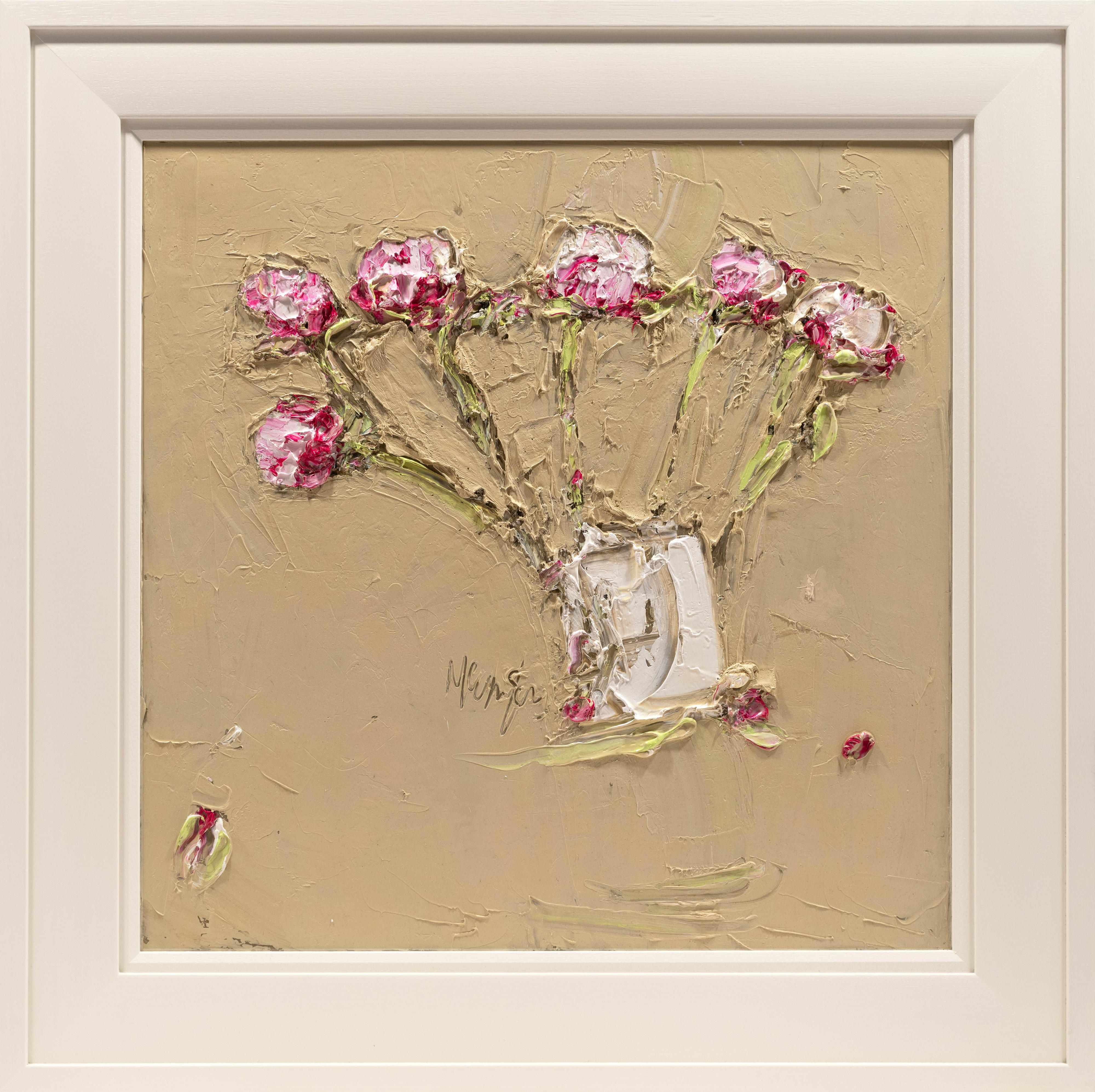
Peonies against Warm Pale Umber Framed Size: 79 x 79 cm 79 79
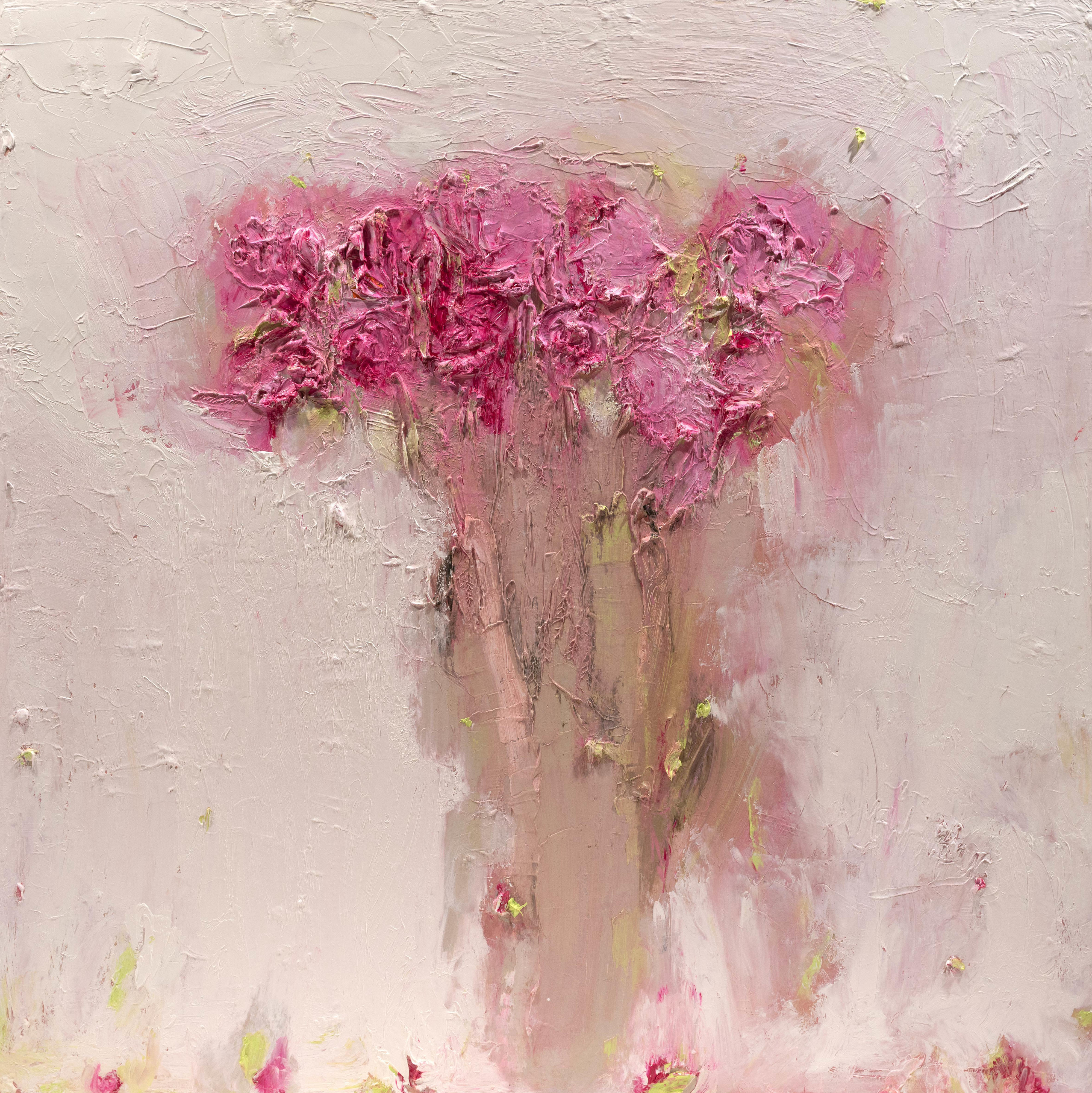
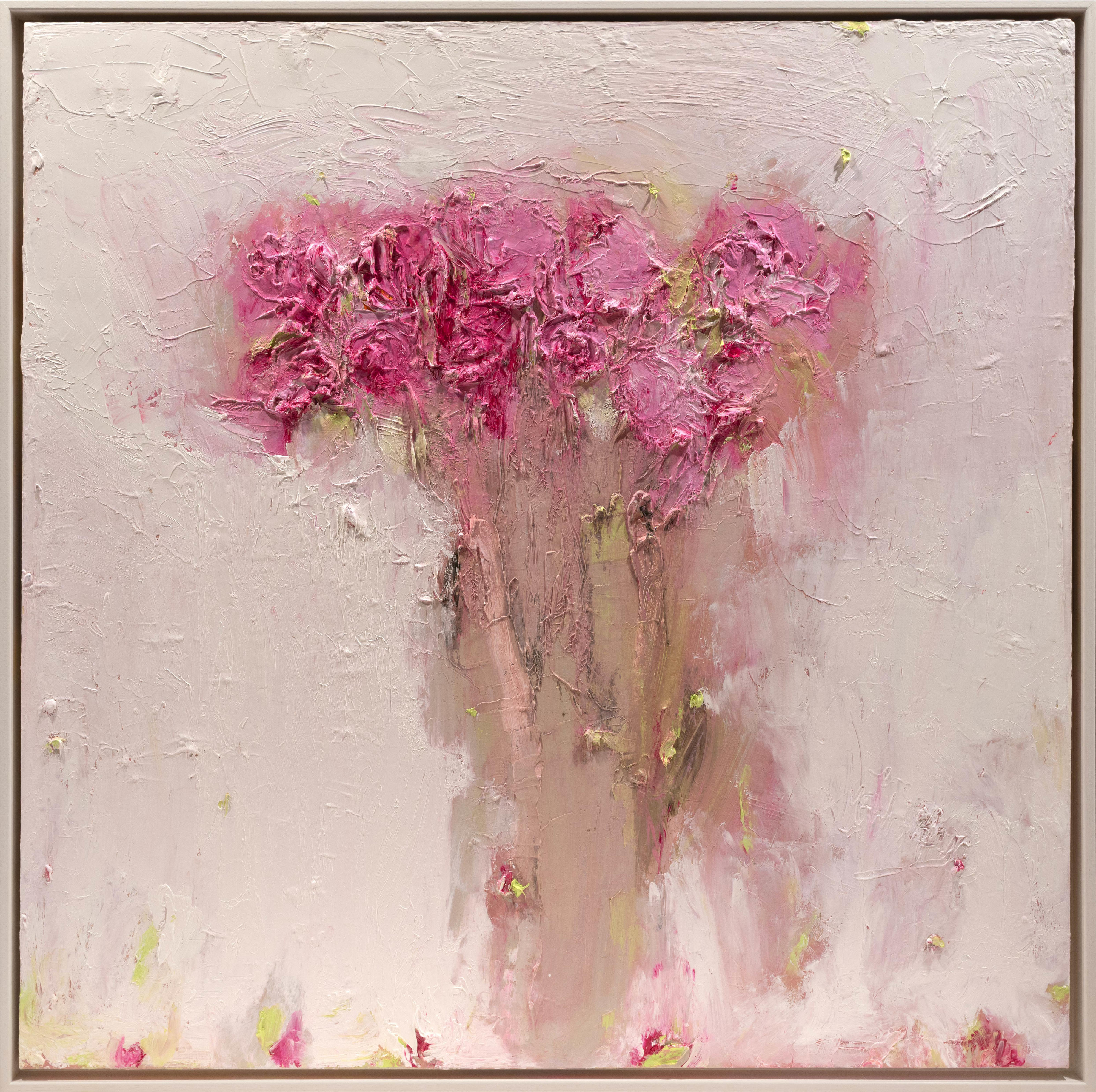
Rose De Rescht - Old Rose Framed Size: 106 x 106 cm 106 106
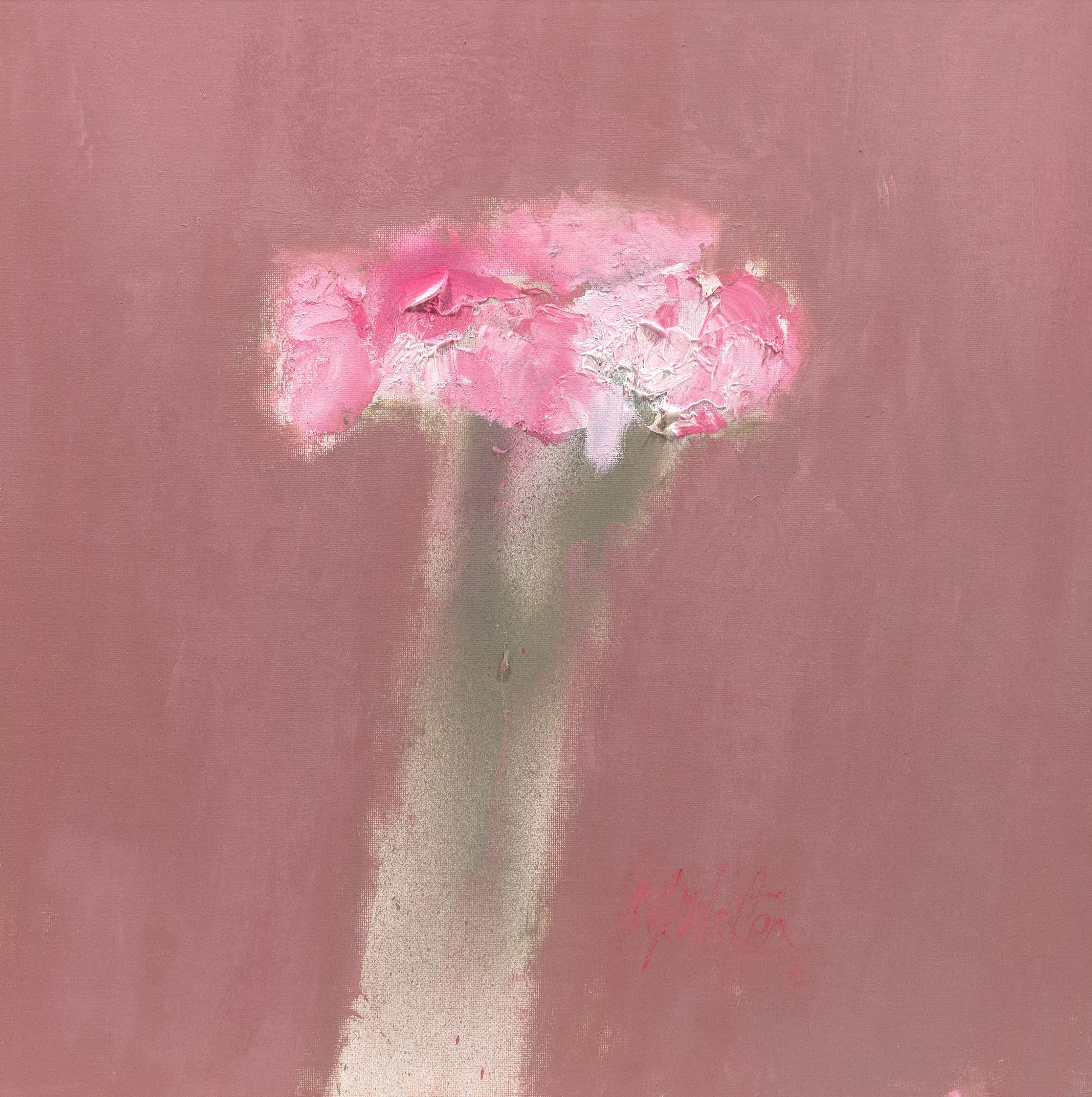
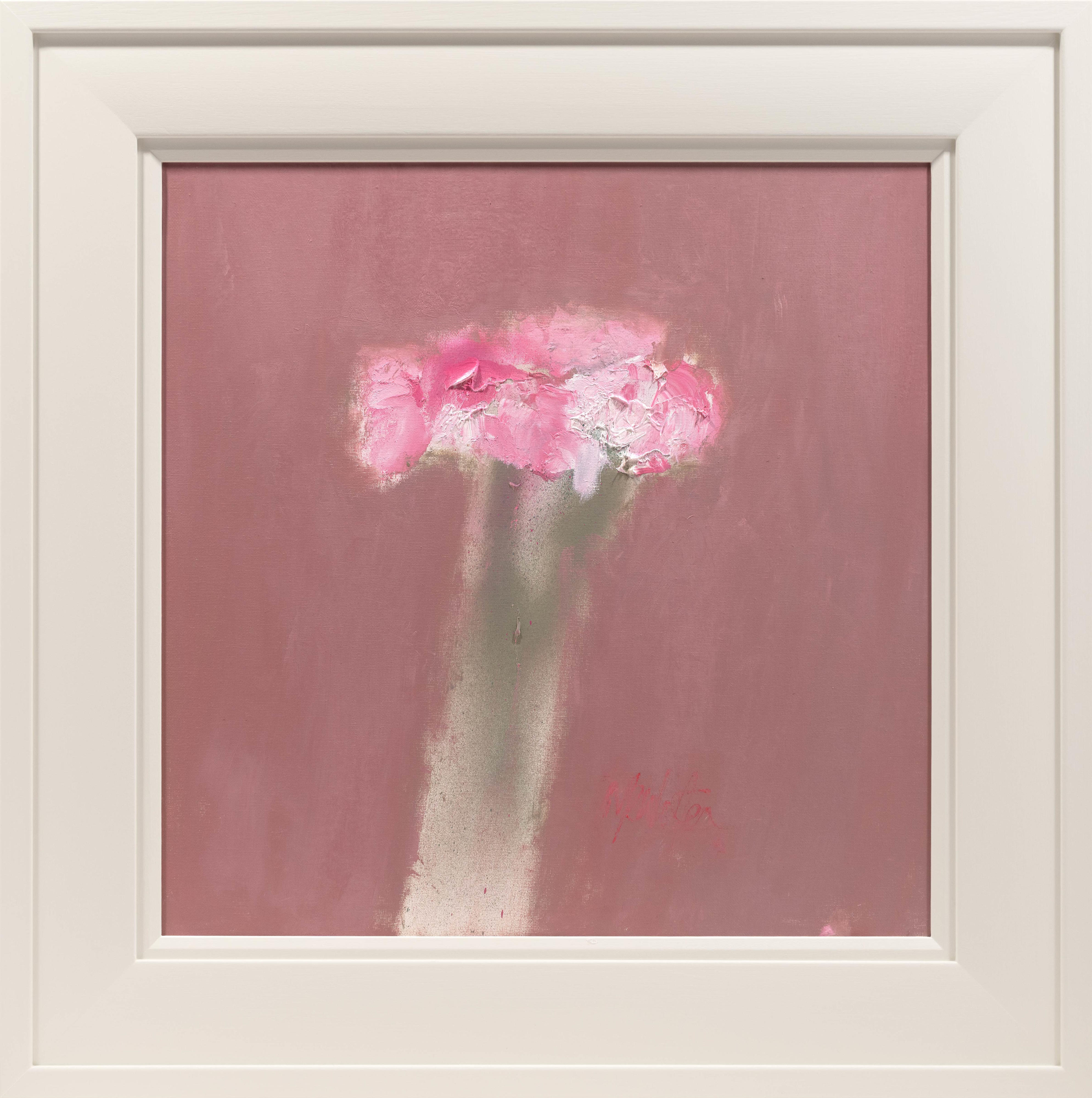
Pink Roses against Potters Pink Framed Size: 68 x 68 cm 68 68
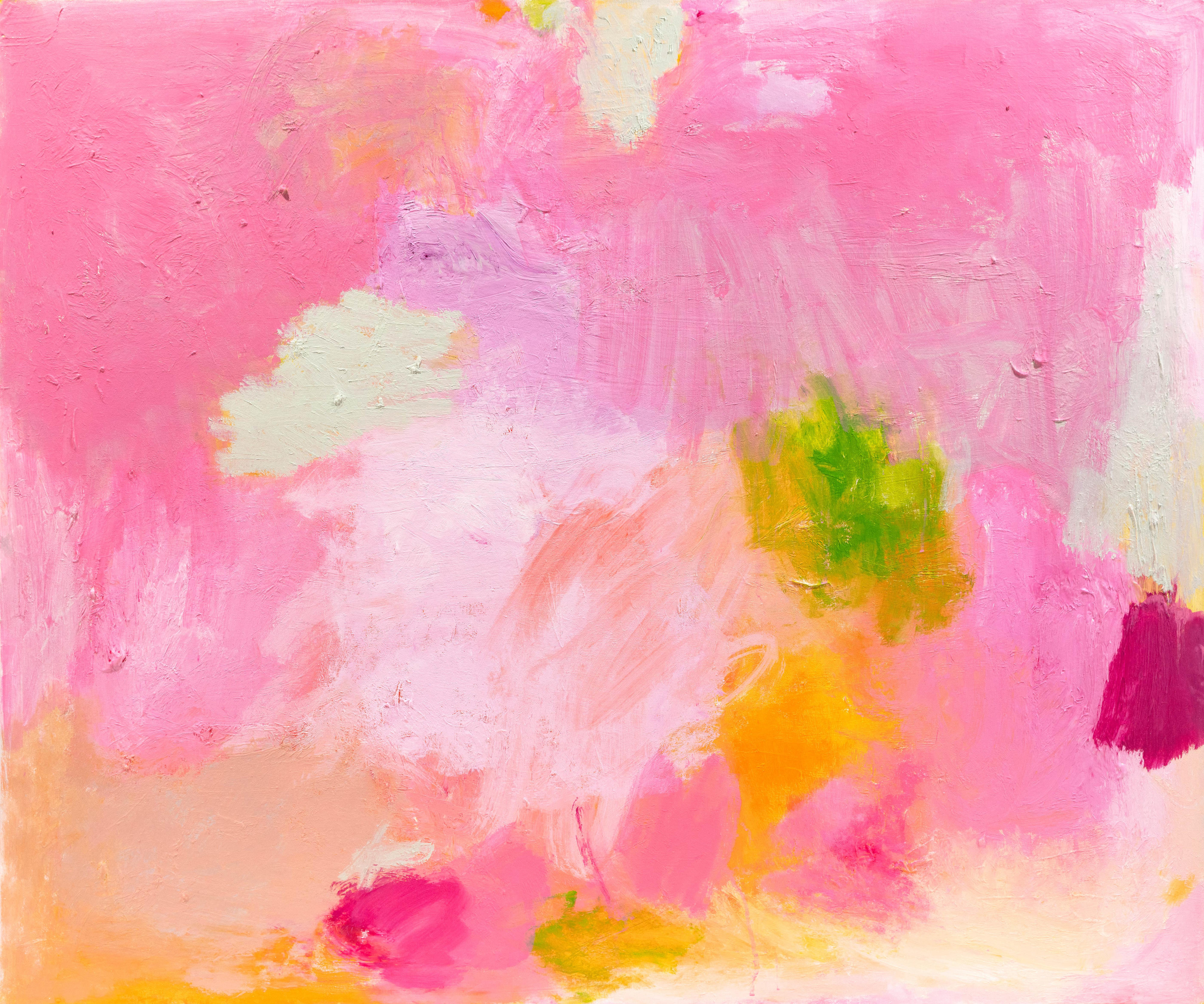
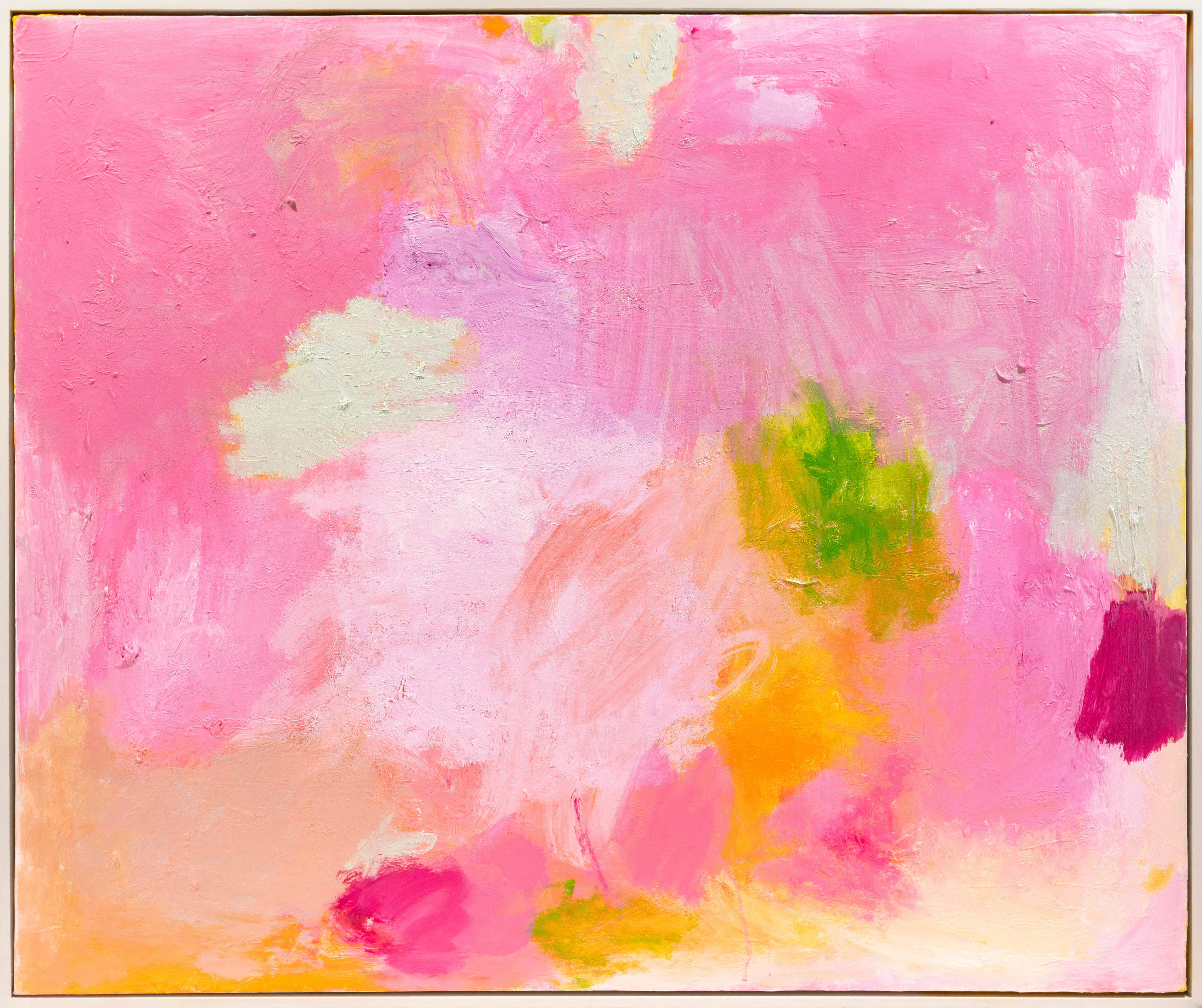
Carnival of the Roses Overture Framed Size: 124 x 103 cm 124 103
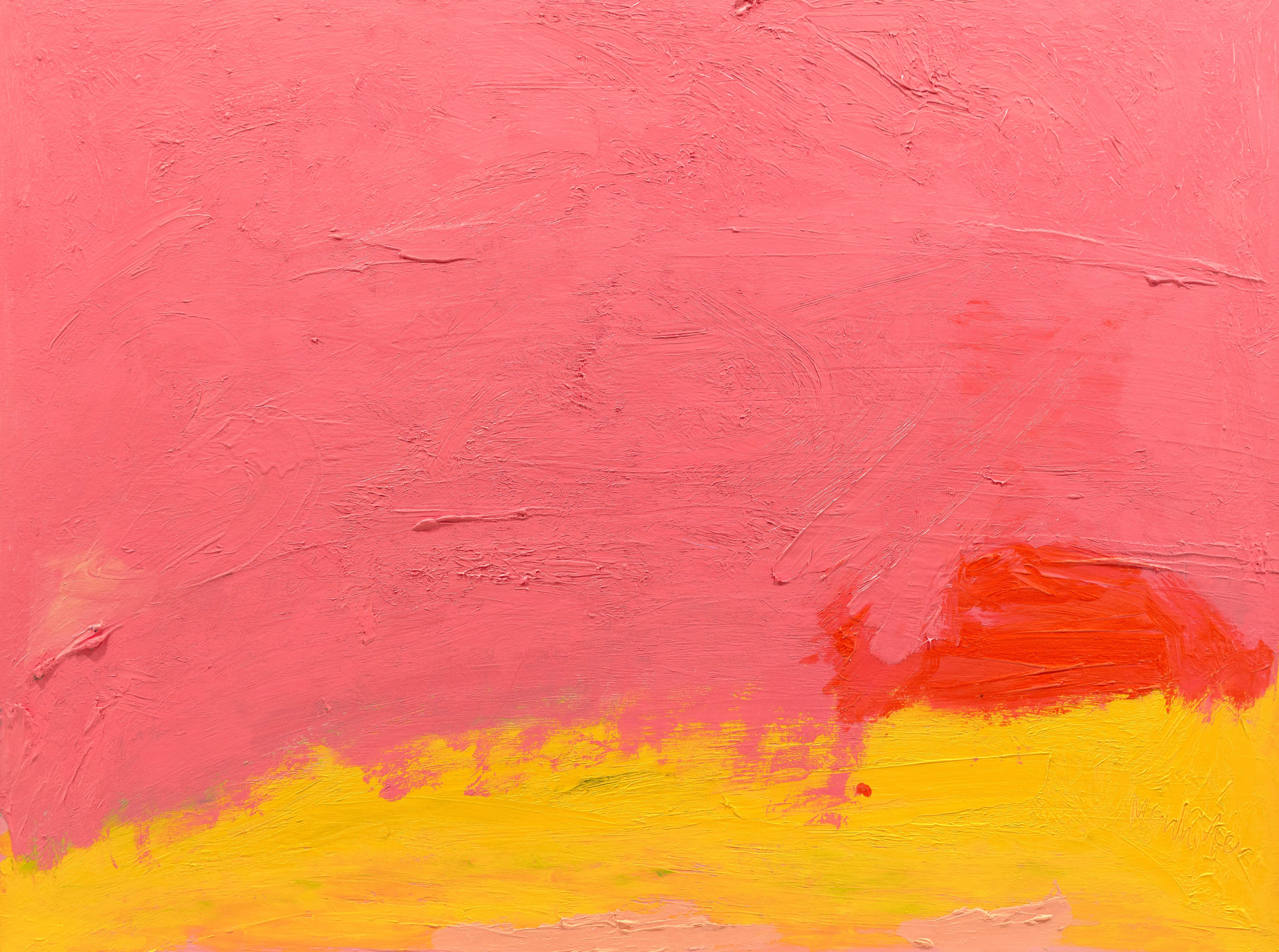
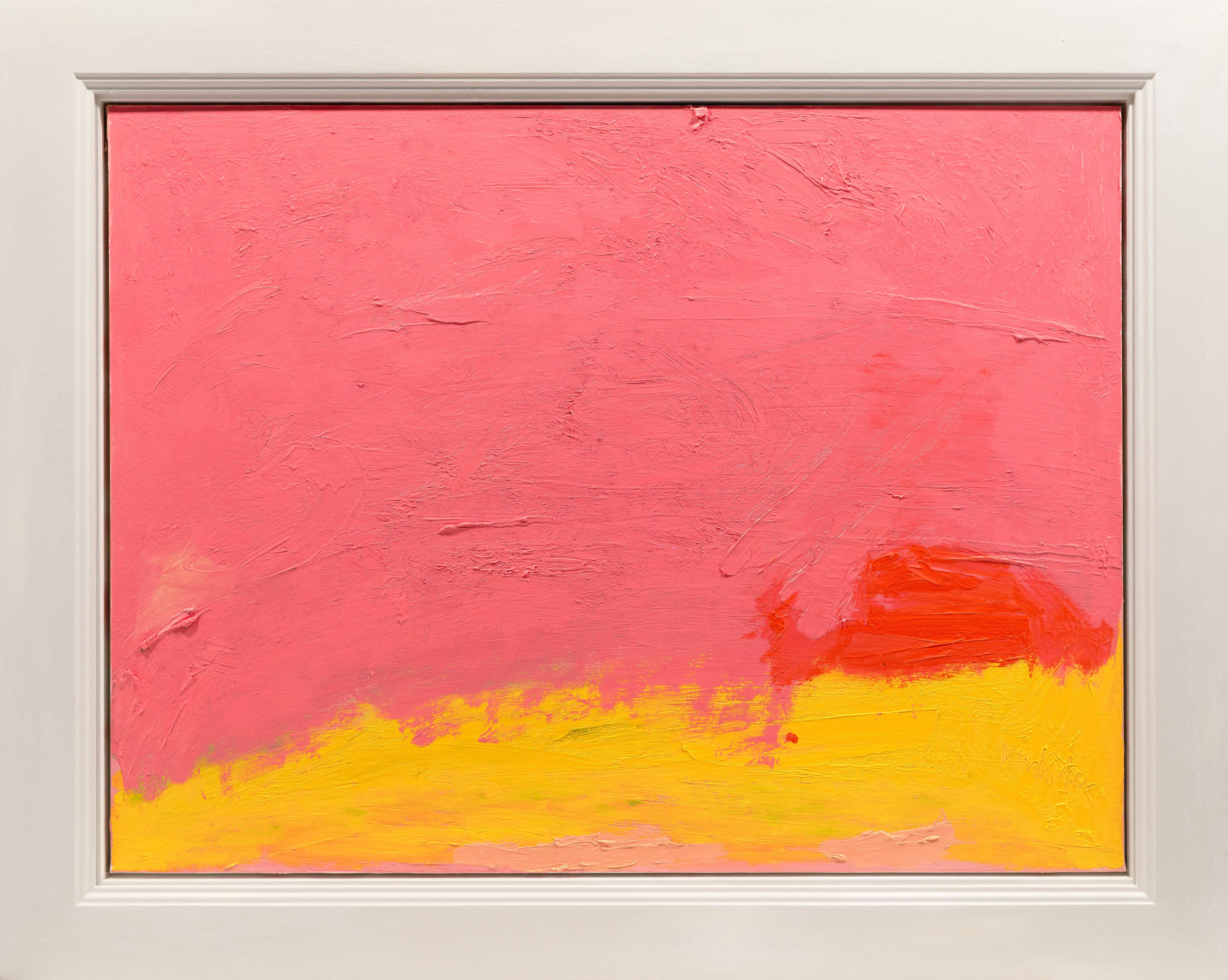
Sunset Song Framed Size: 97 x 76 cm 97 76
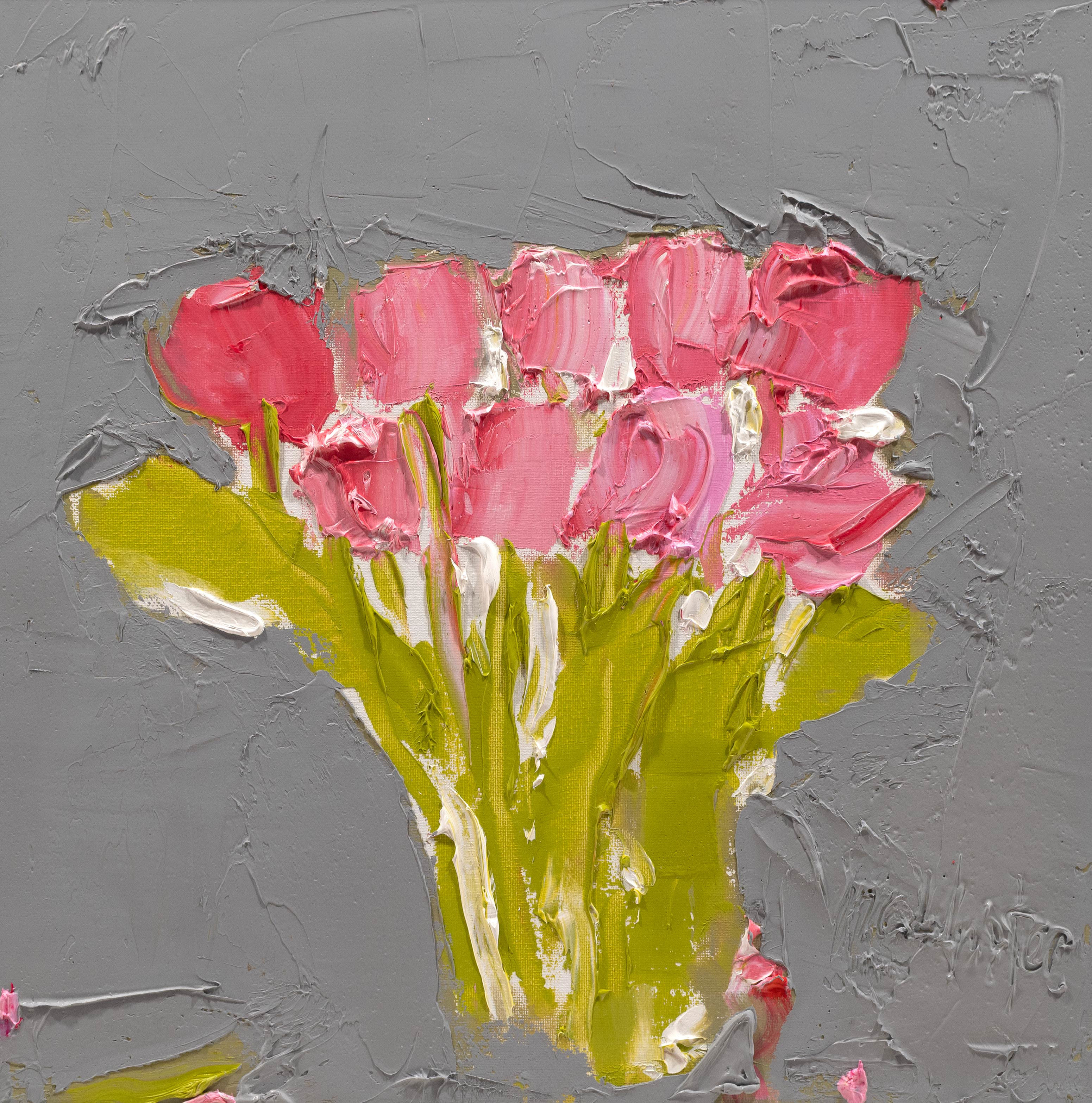
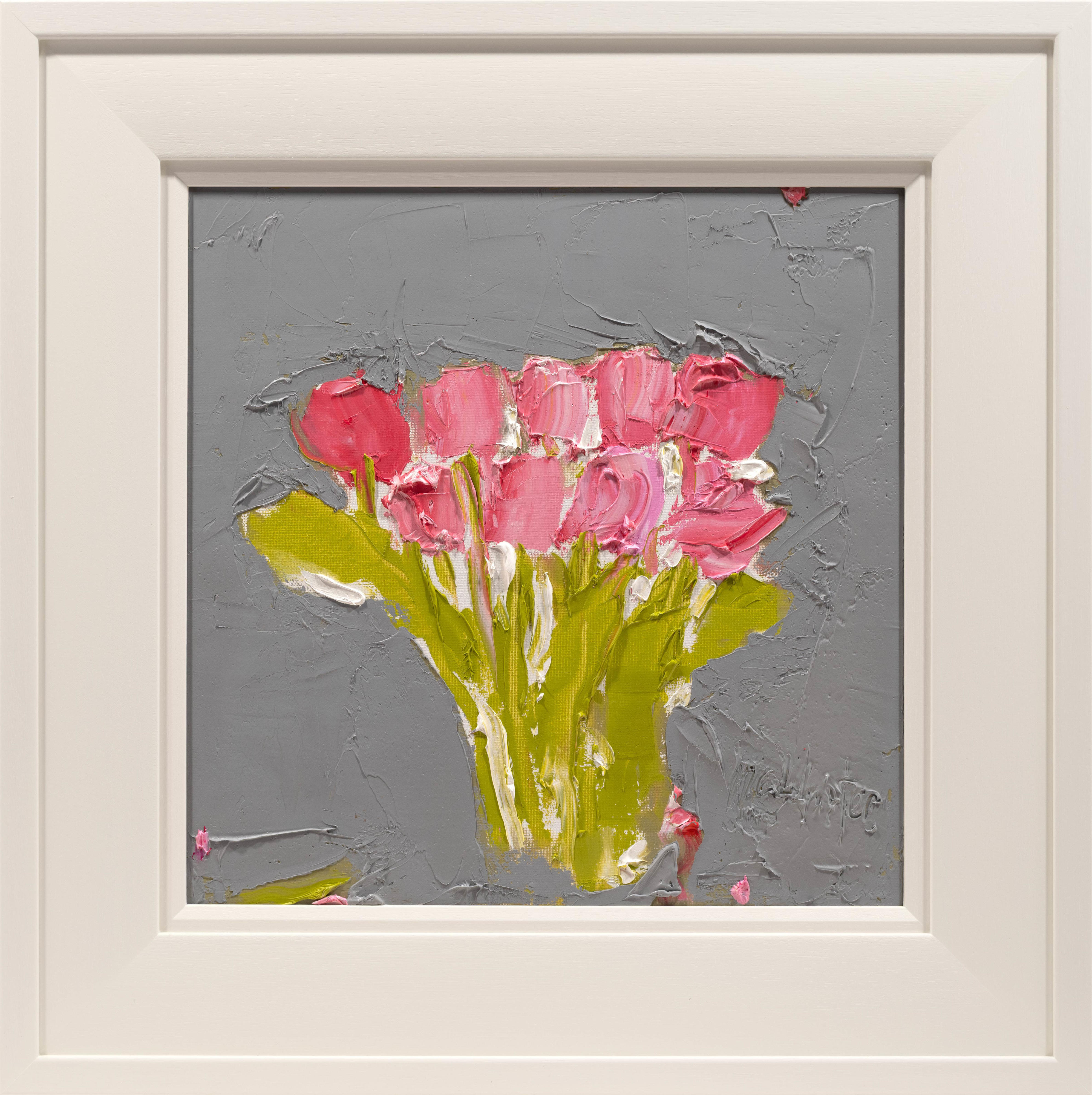
Pink Roses and Tulips against Slate Grey Framed Size: 59 x 59 cm 59 59
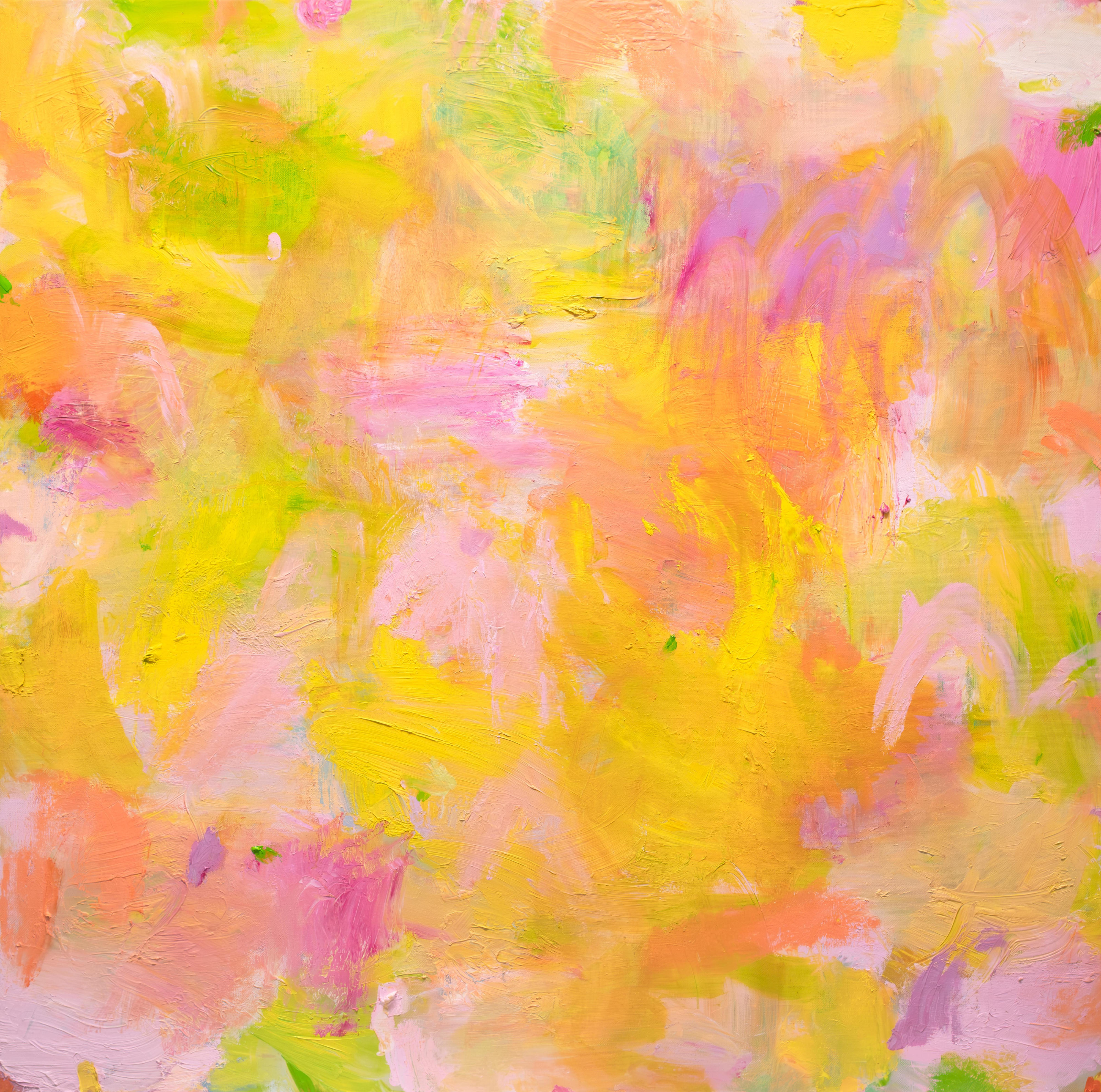
Covent Garden on Solway Framed Size: 106 x 106 cm 106 106
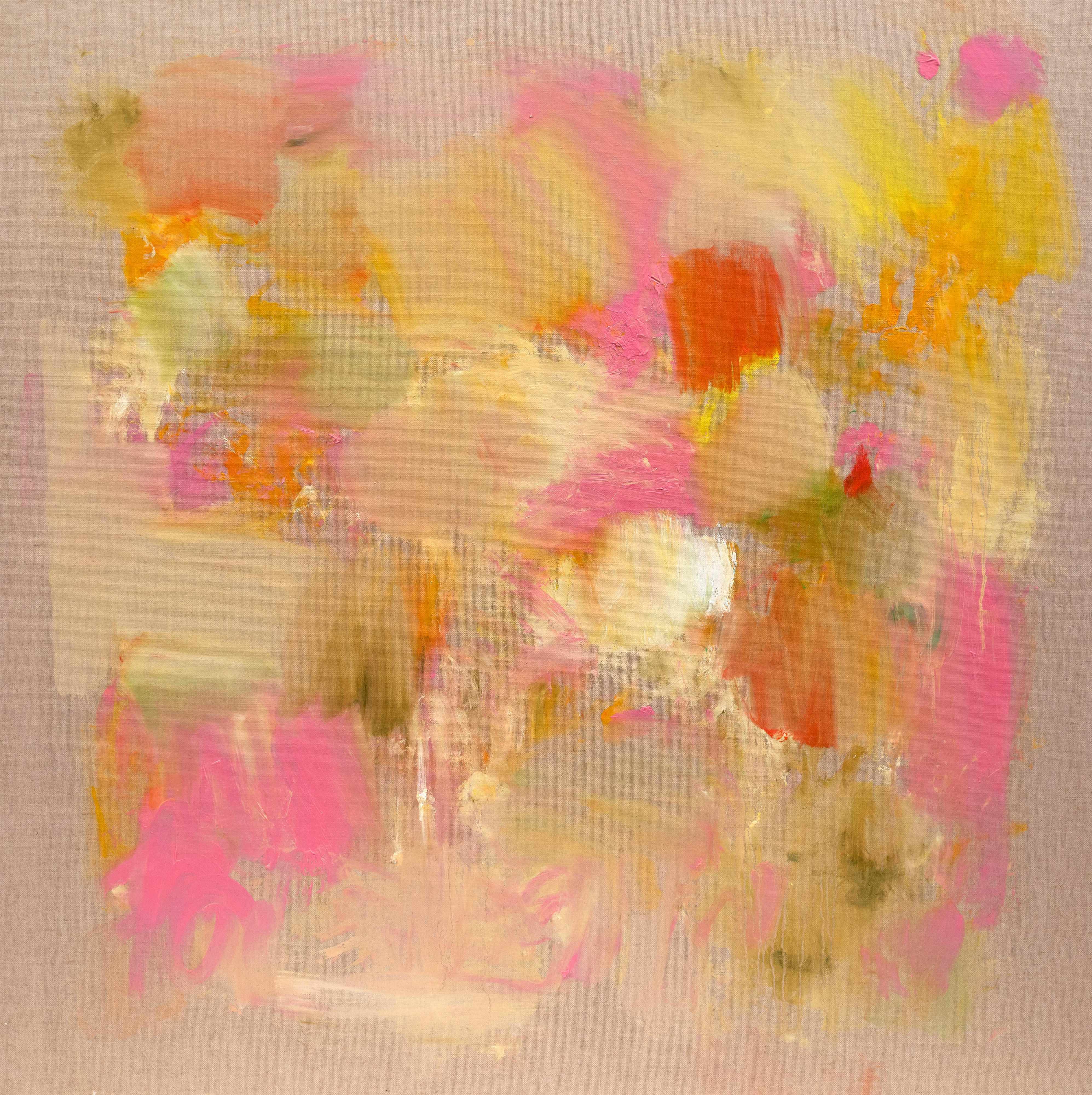
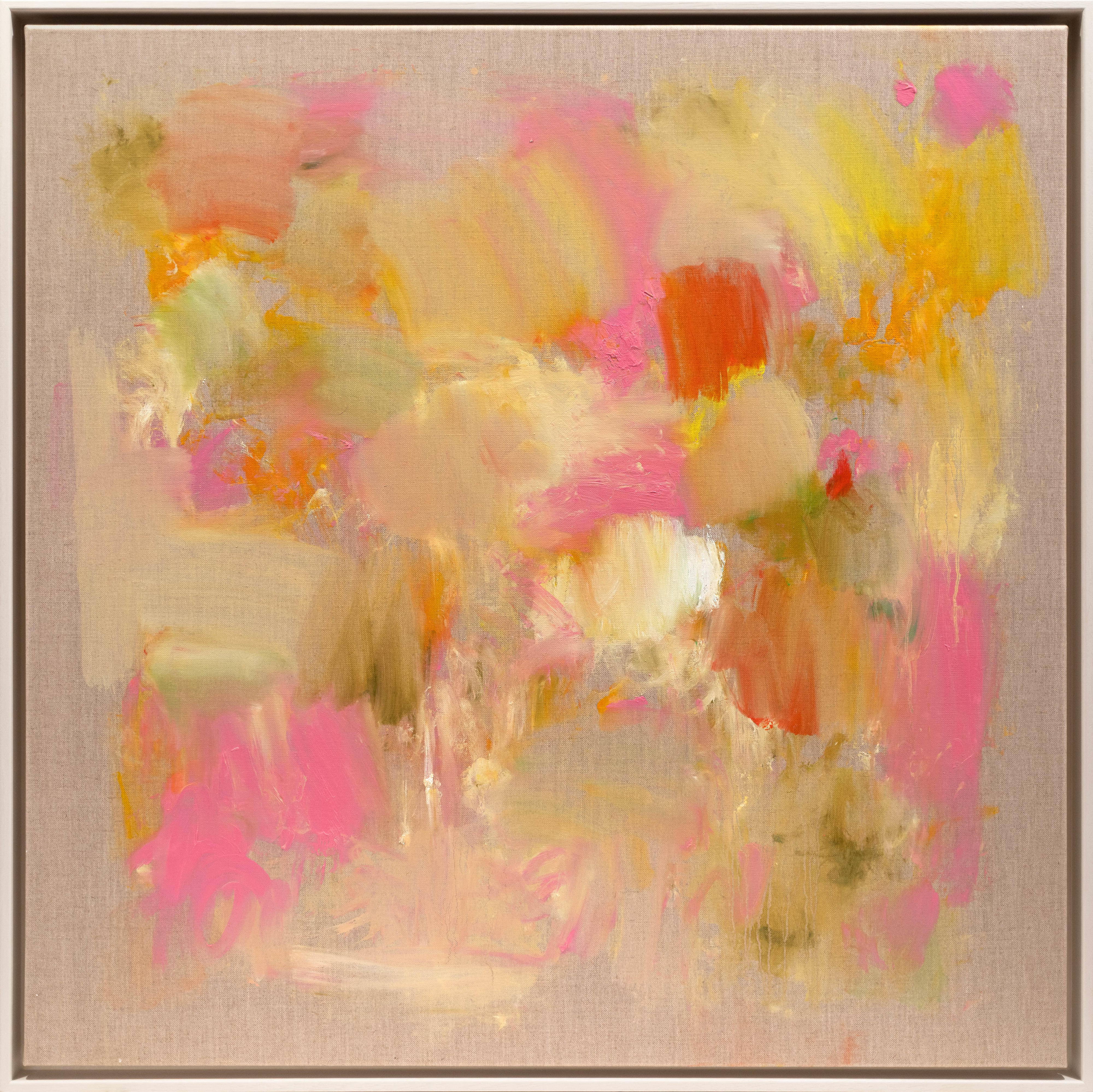
The Air thinks In Rose Petals Framed Size: 106 x 106 cm 106 106
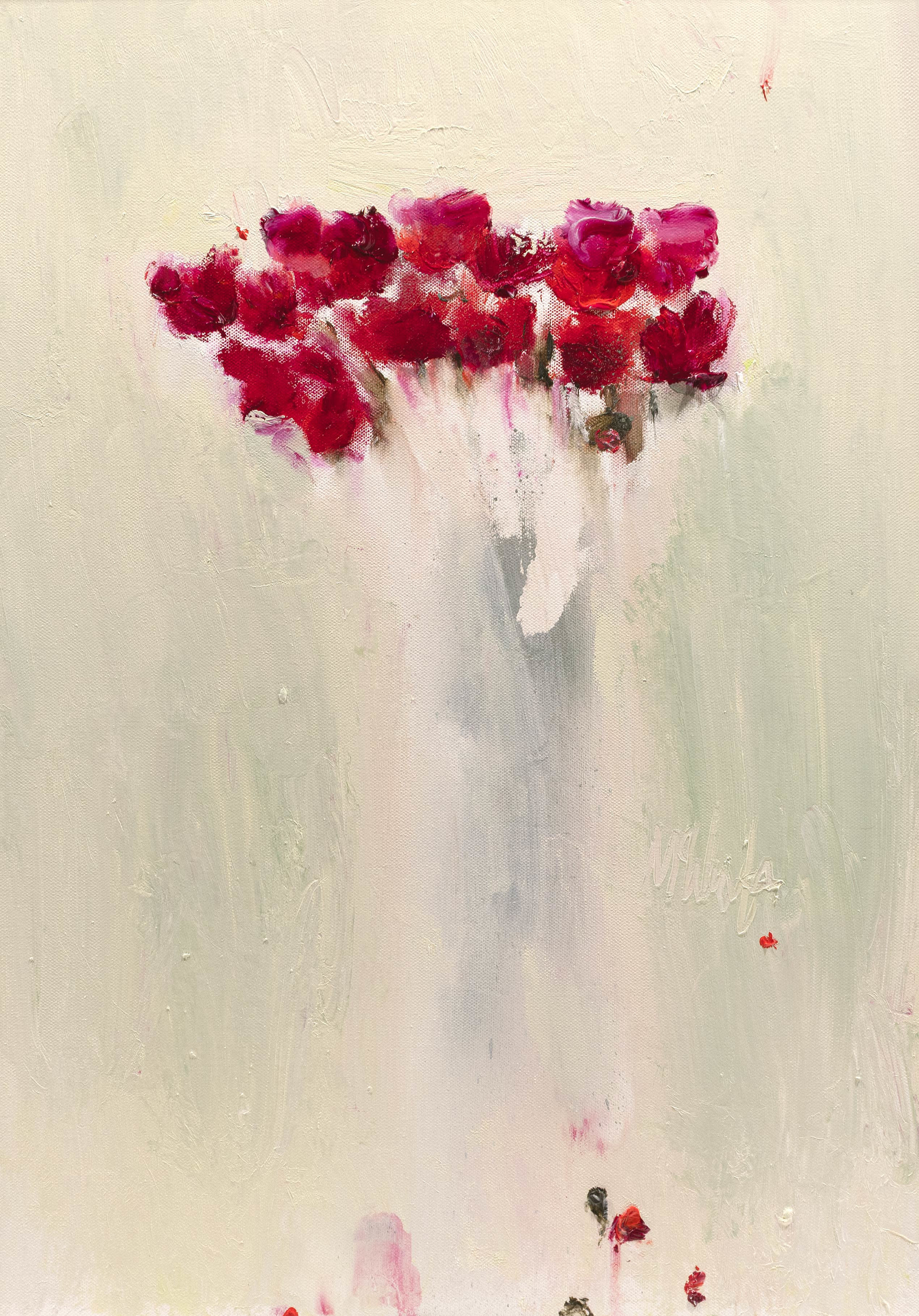
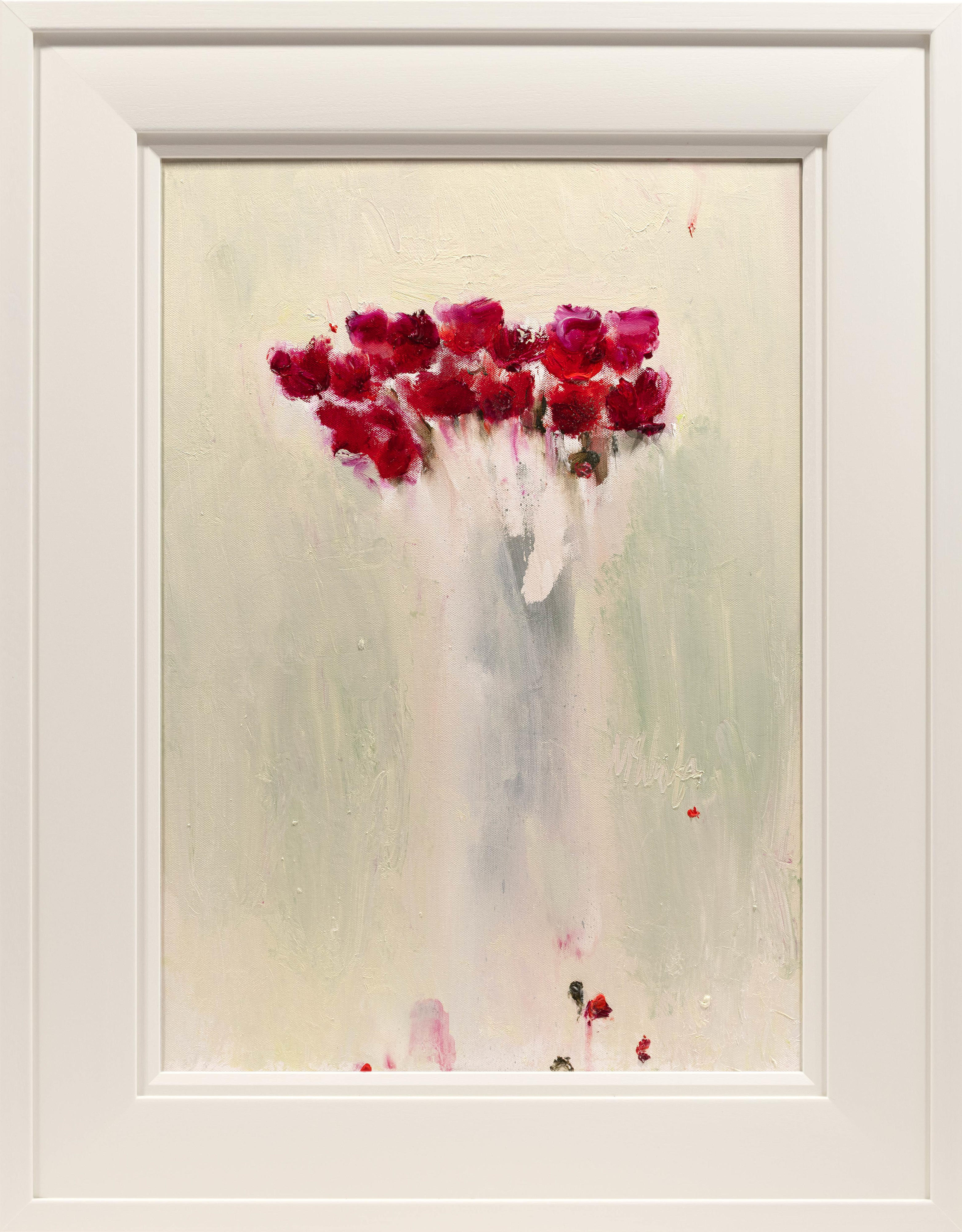
Forever Red Rose against Pale Lime White Deep Framed Size: 61 x 79 cm 61 79
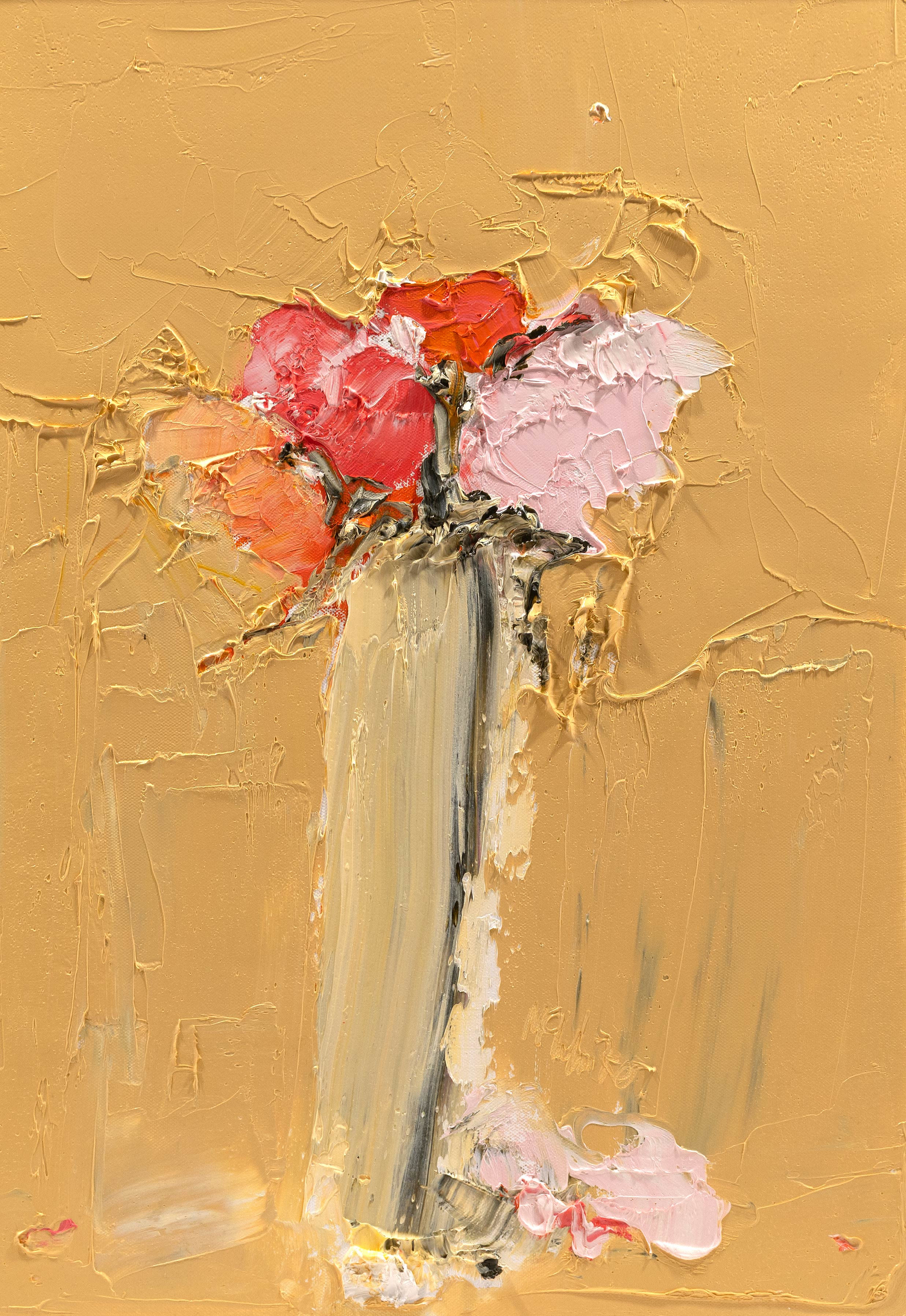
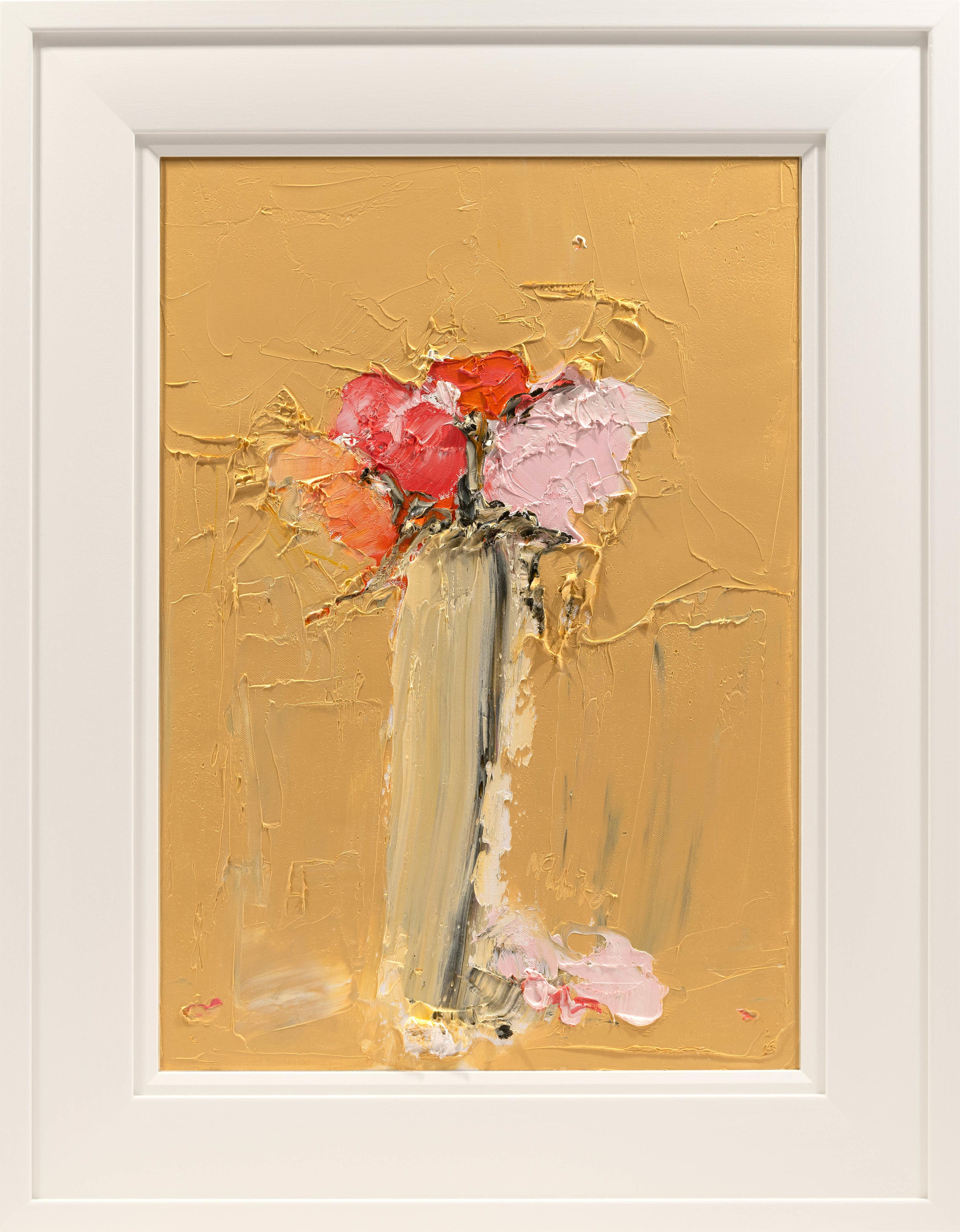
Coral Flame Rose, Circus Rose and Peace Rose against Warm Sand Framed Size: 61 x 79 cm 61 79
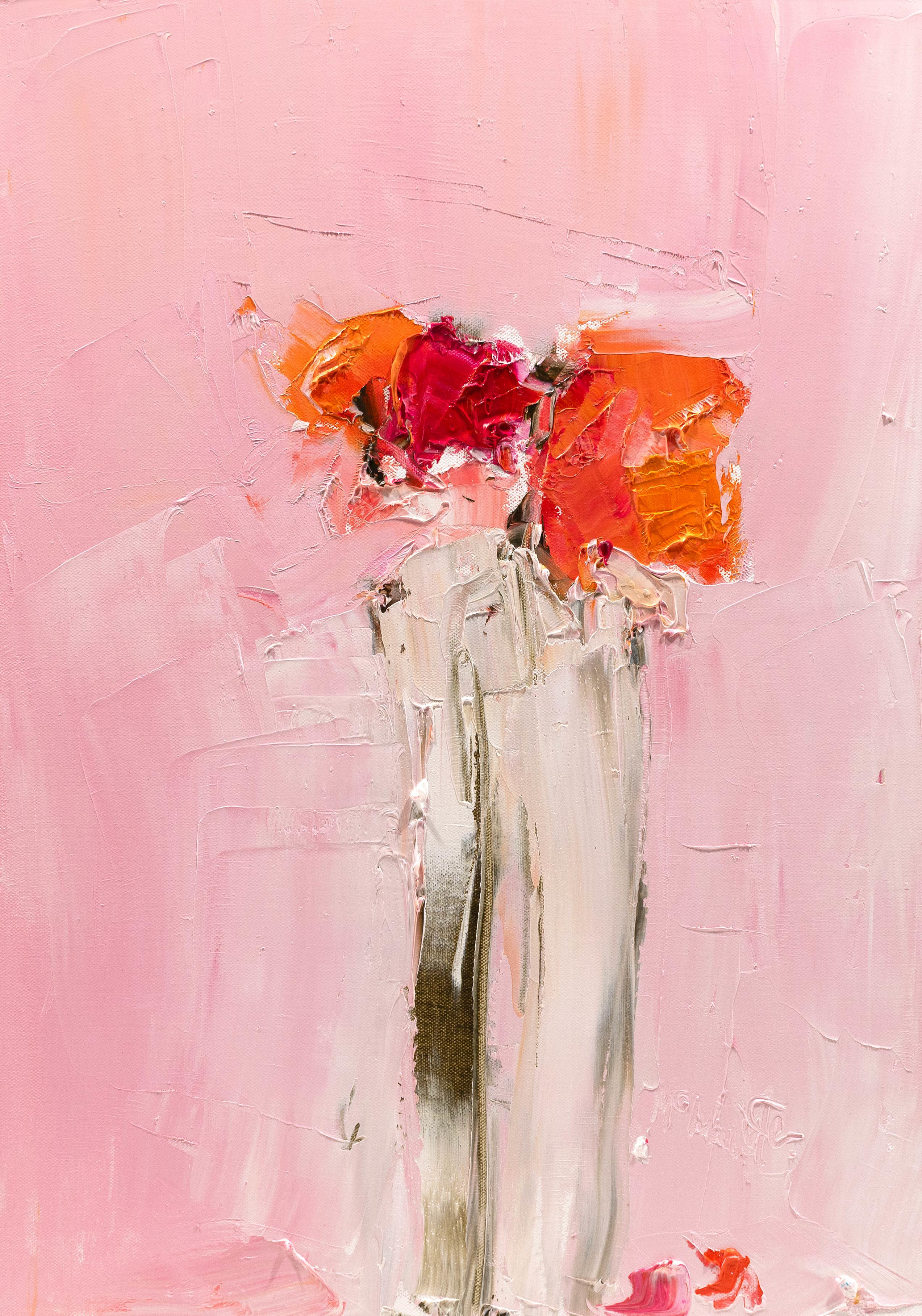
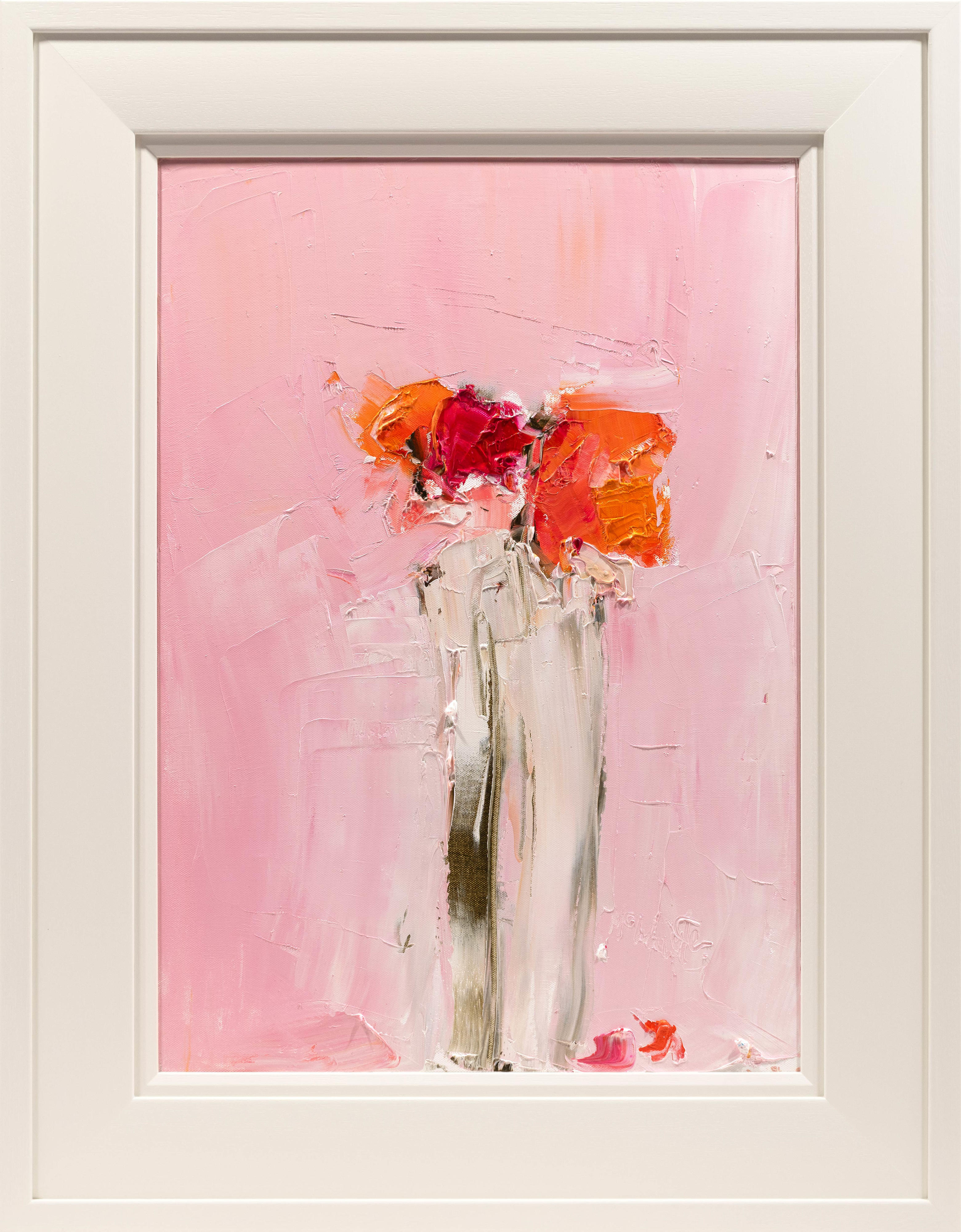
Coral Flame and Tam' O' Shanter Rose against Oyster Pink Framed Size: 61 x 79 cm 61 79
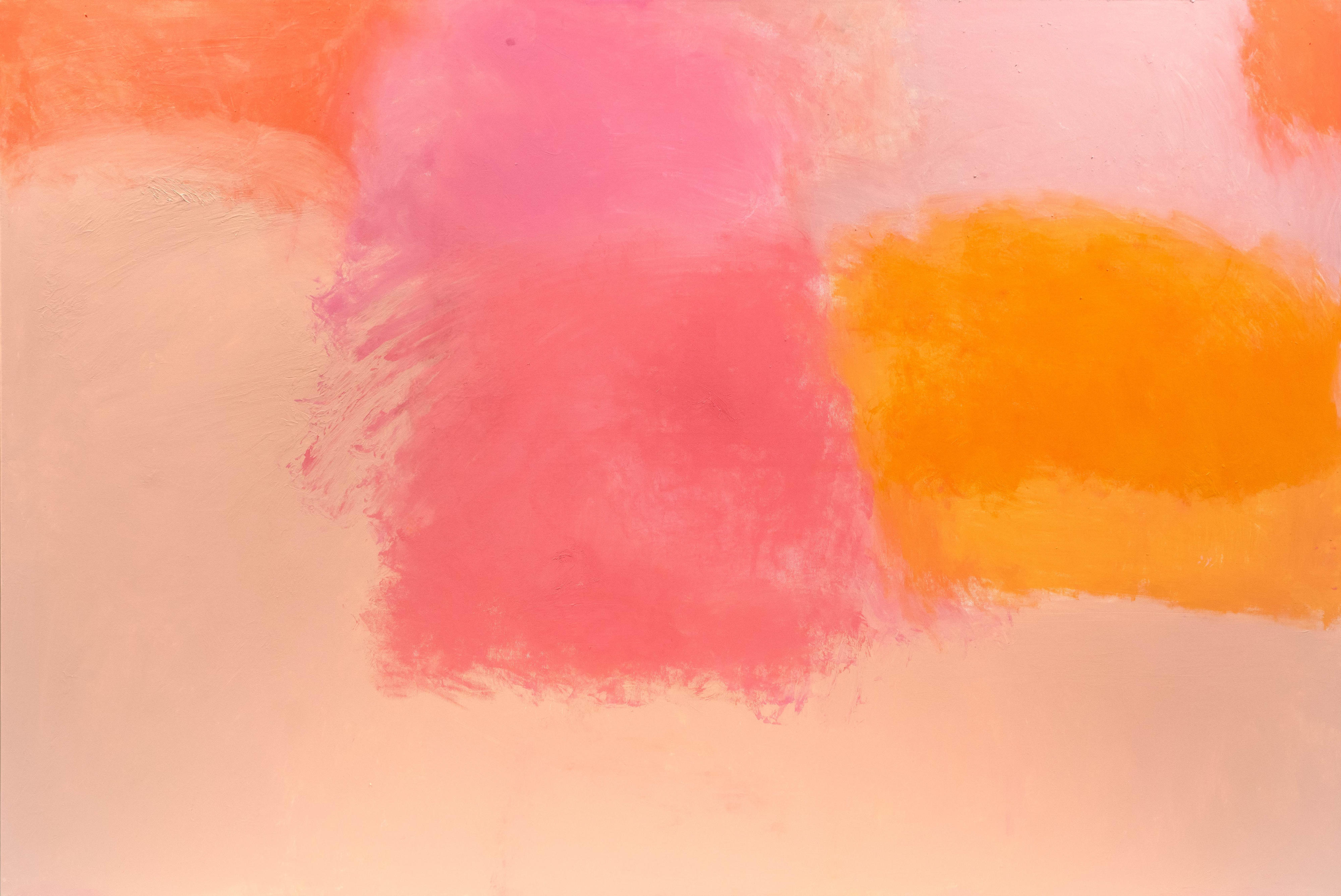
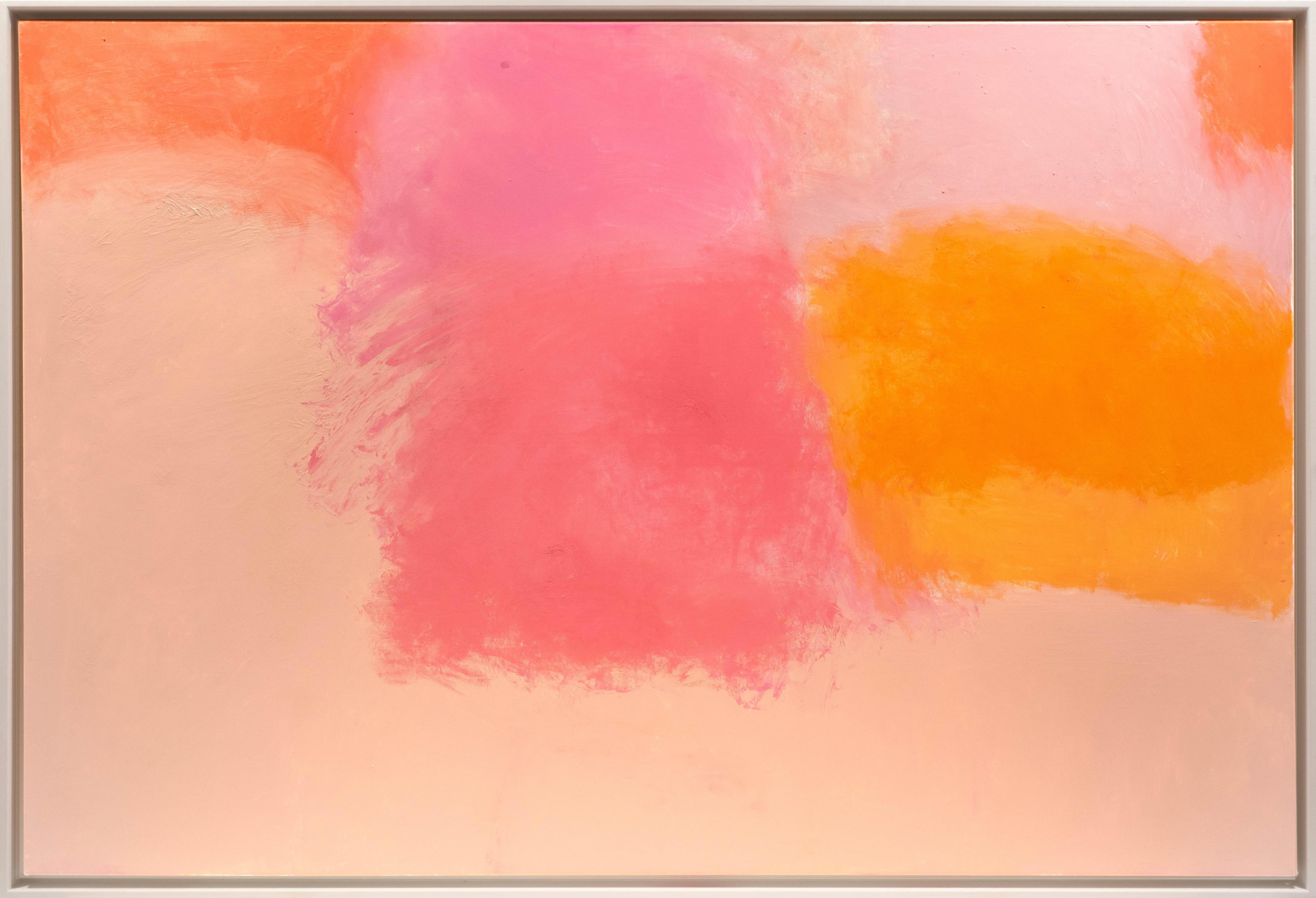
Sonnet 18 Framed Size: 155 x 106 cm 155 106
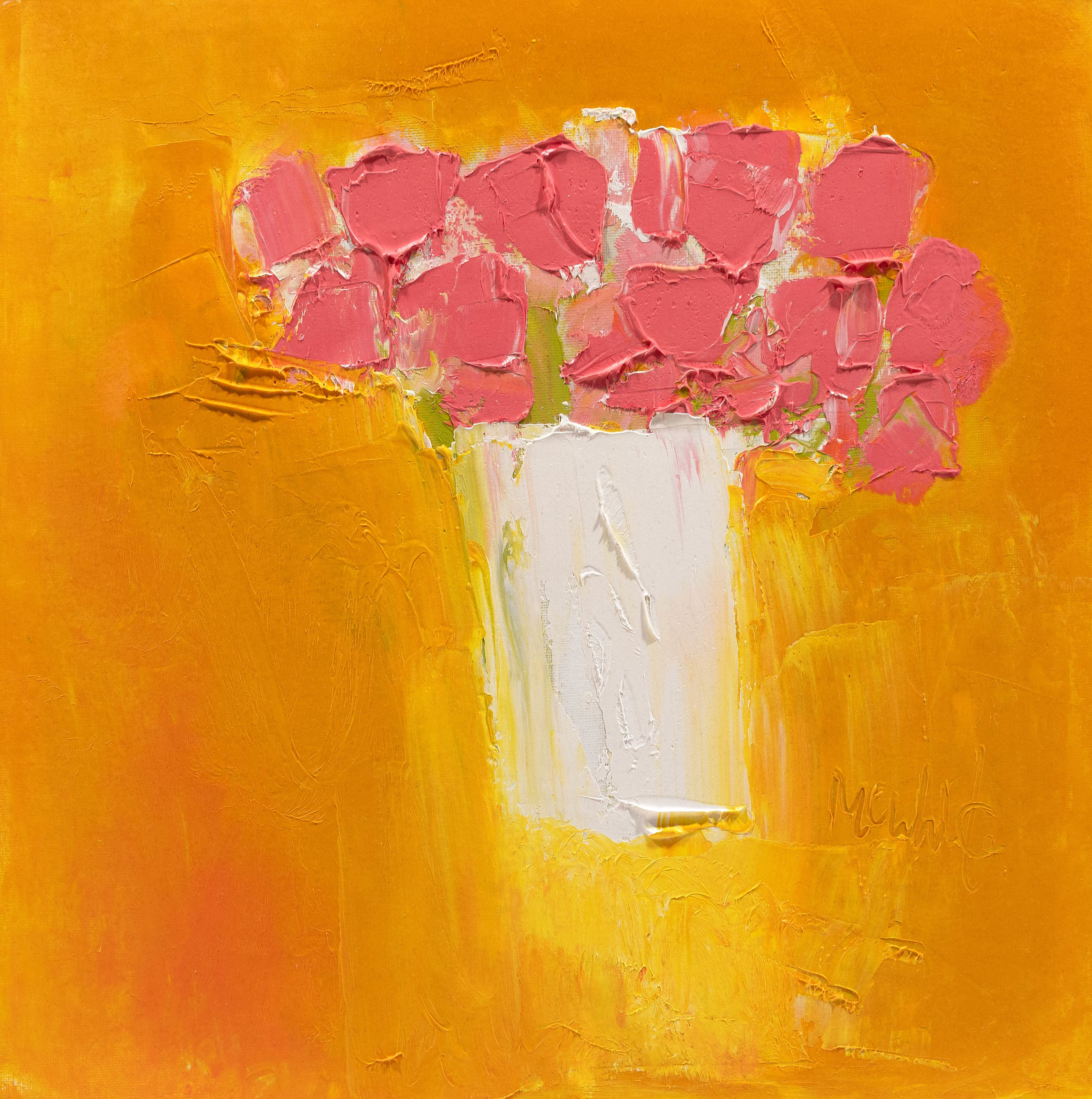
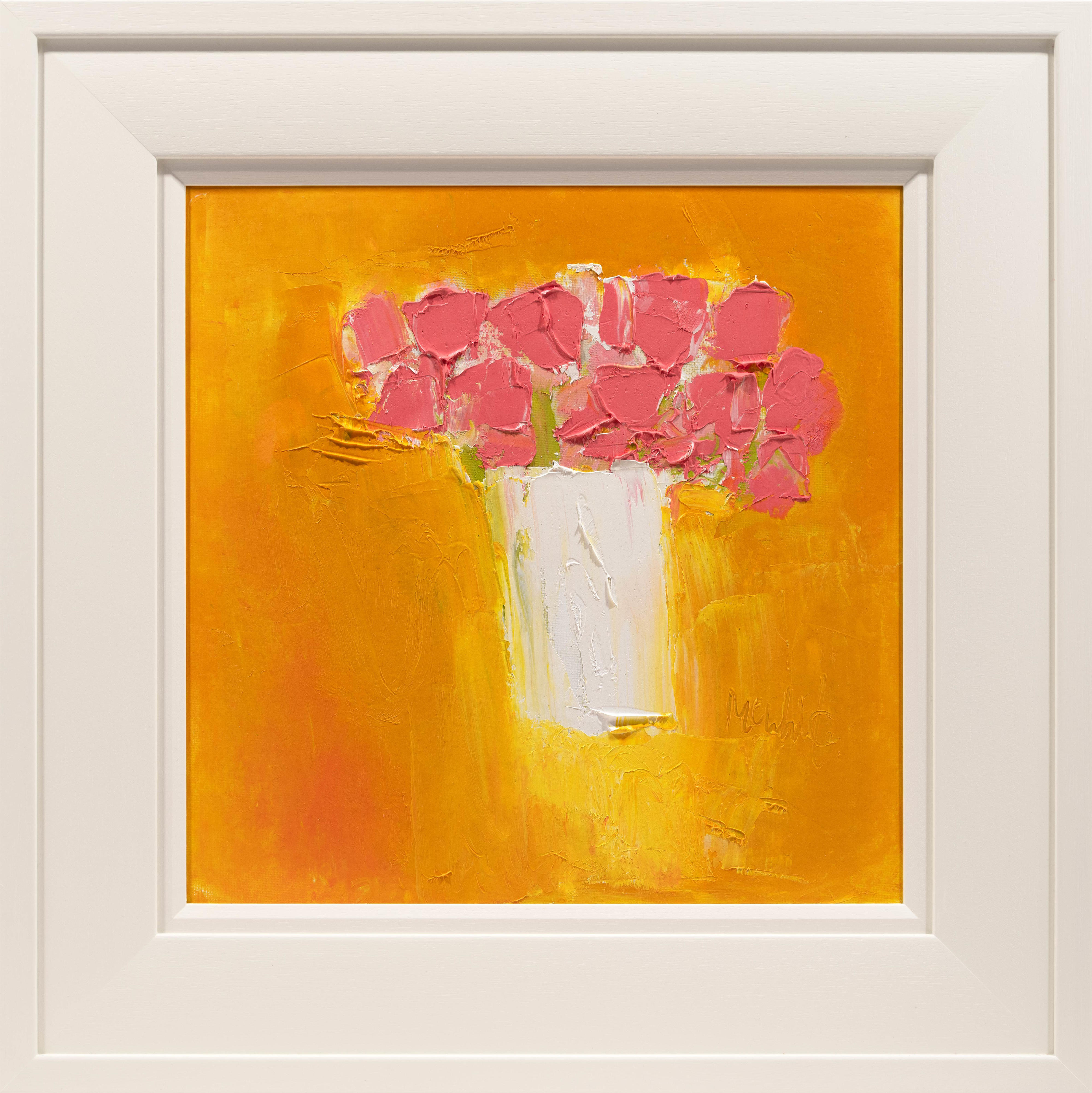
Pink Roses against India Yellow Framed Size: 59 x 59 cm 59 59
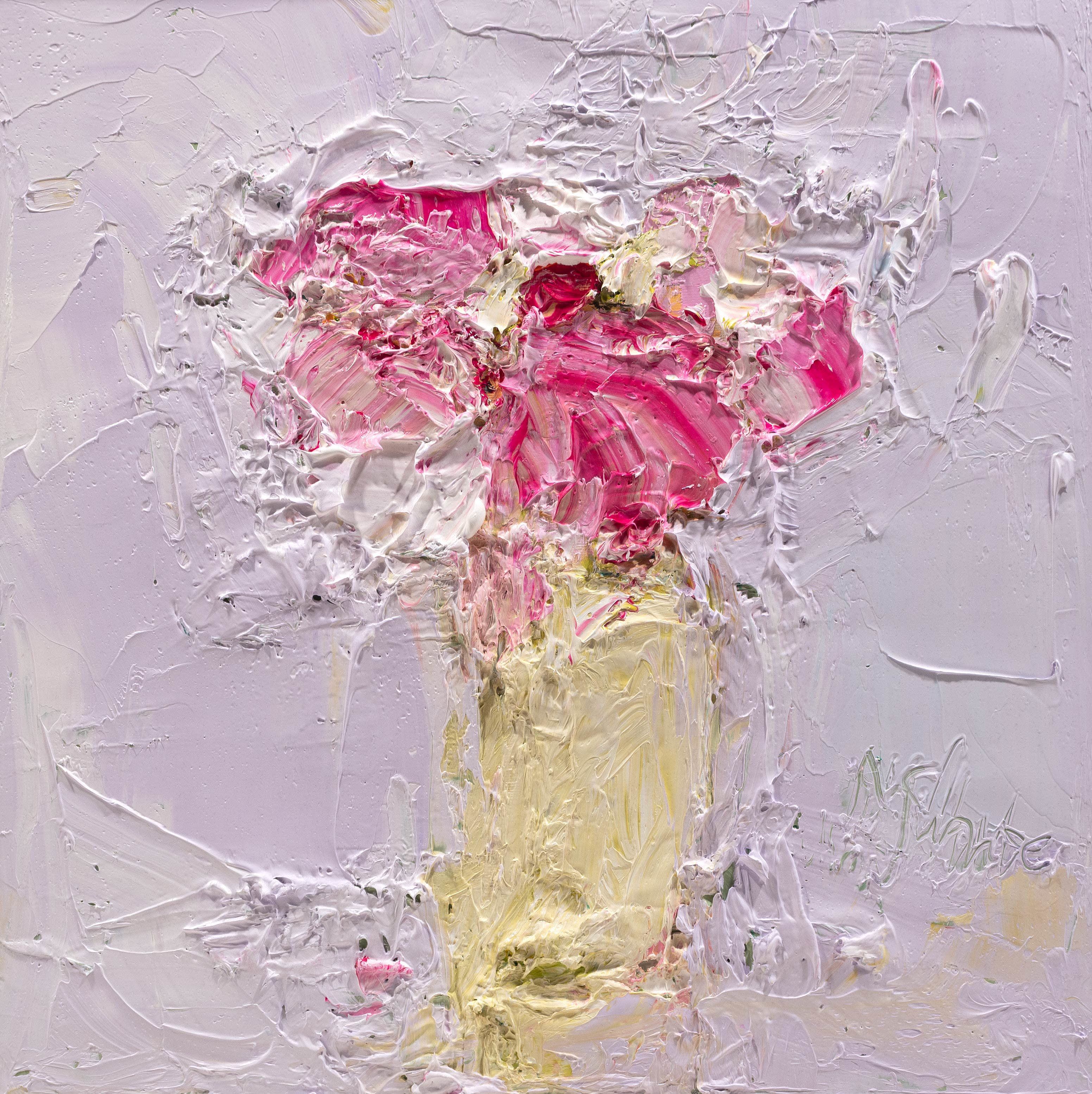
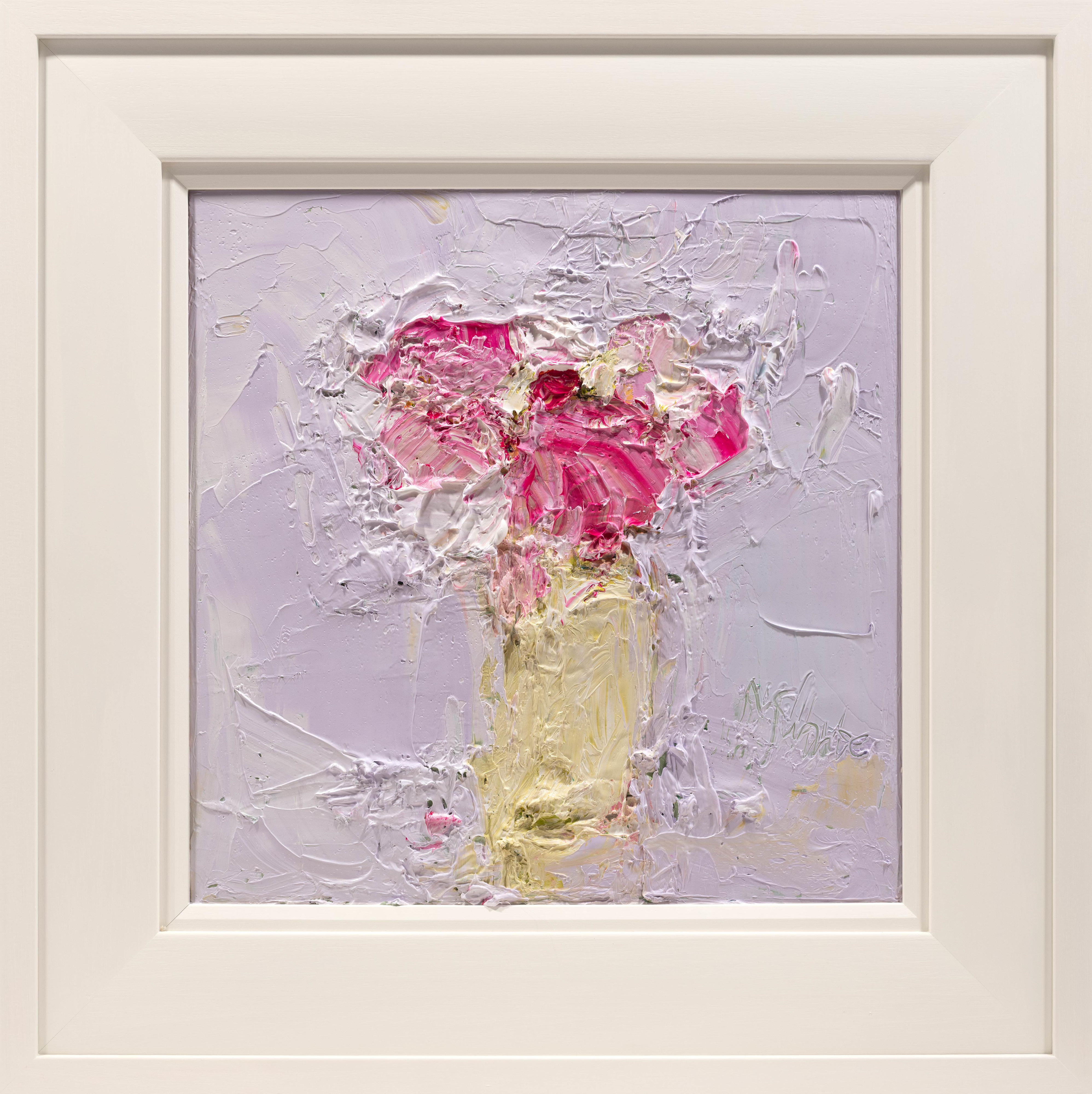
Pink Peony Rose against Palest Lavender Framed Size: 59 x 59 cm 59 59
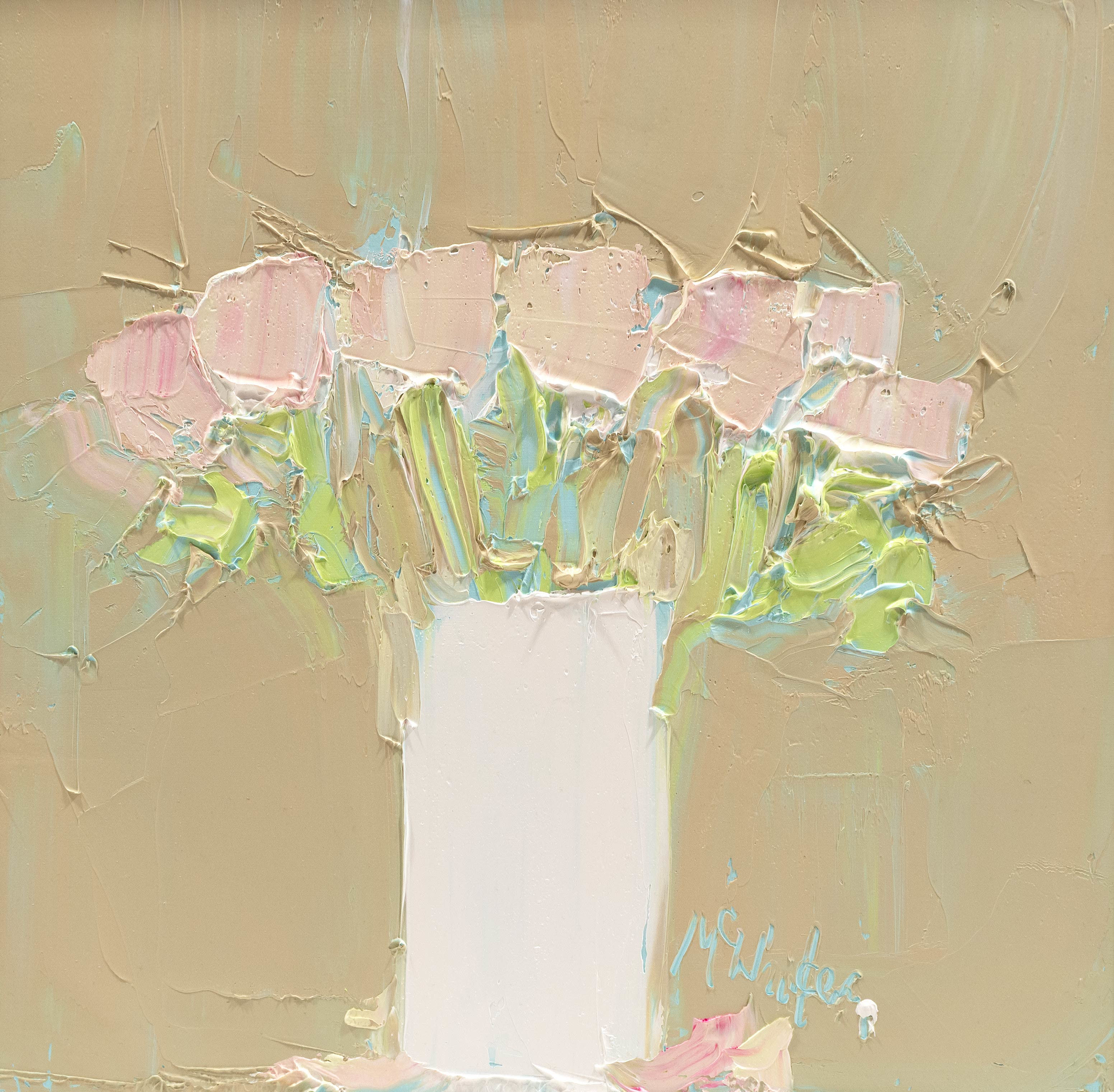
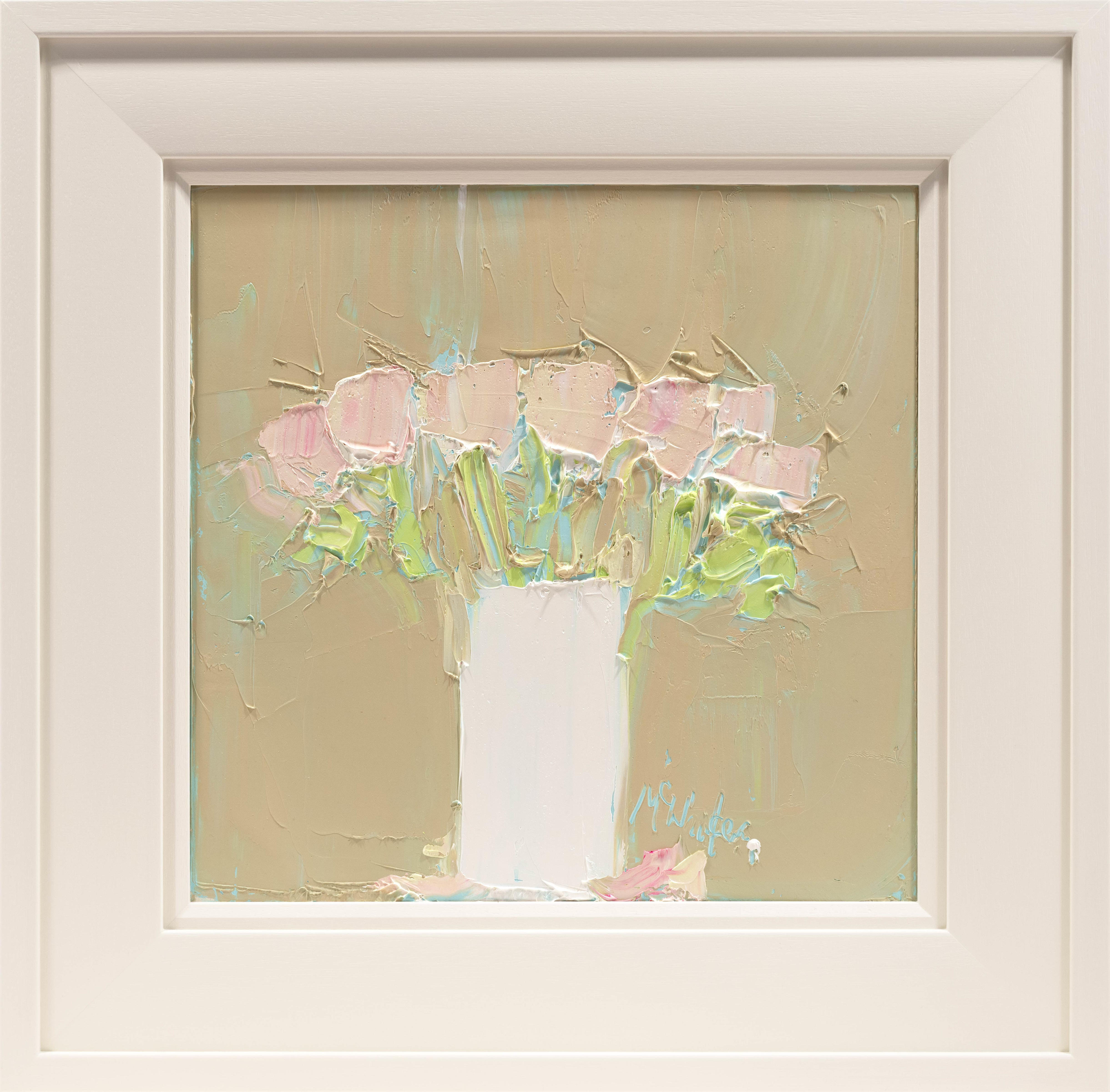
Peace Roses against Buff Titanium Framed Size: 59 x 59 cm 59 59
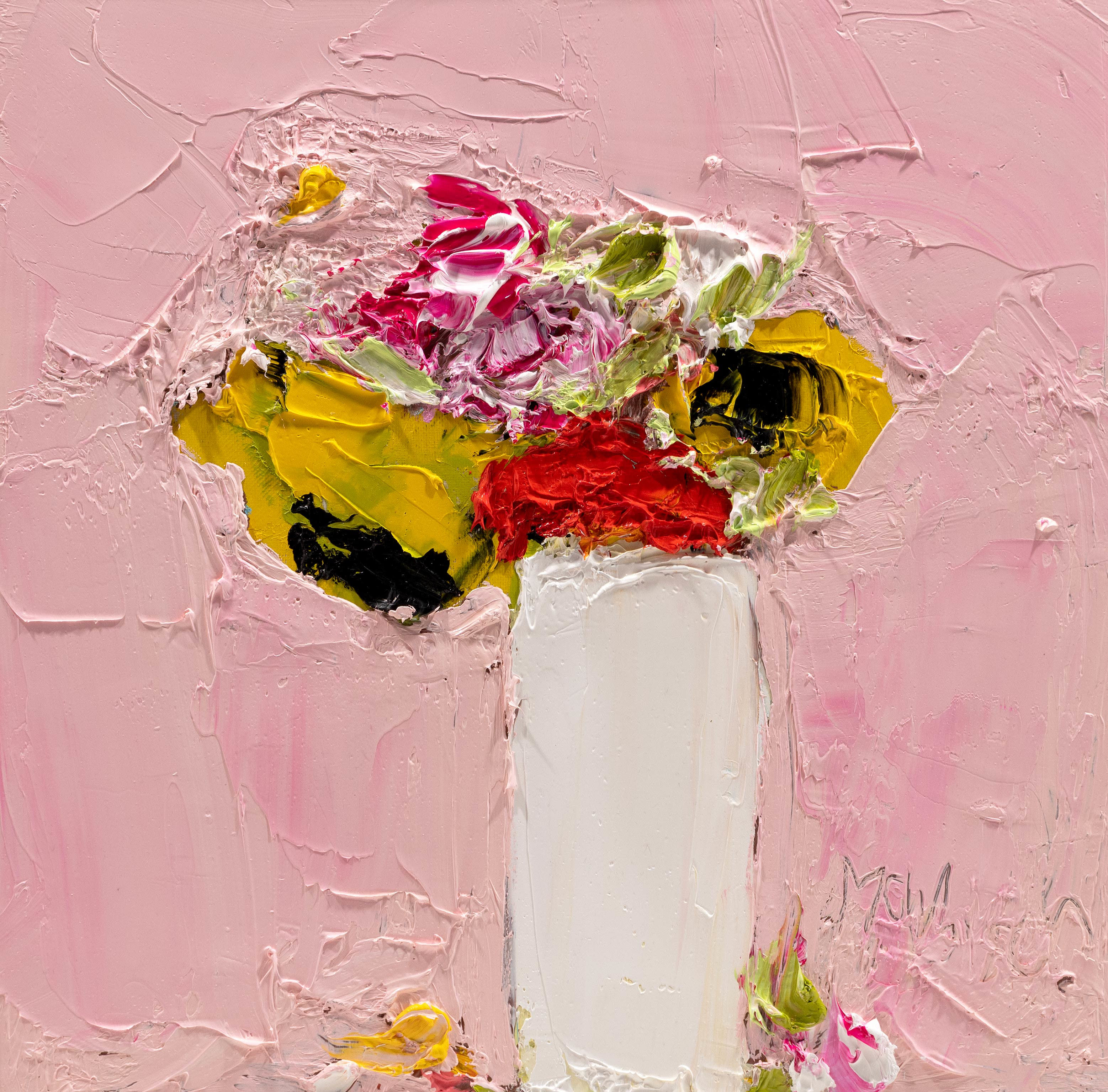
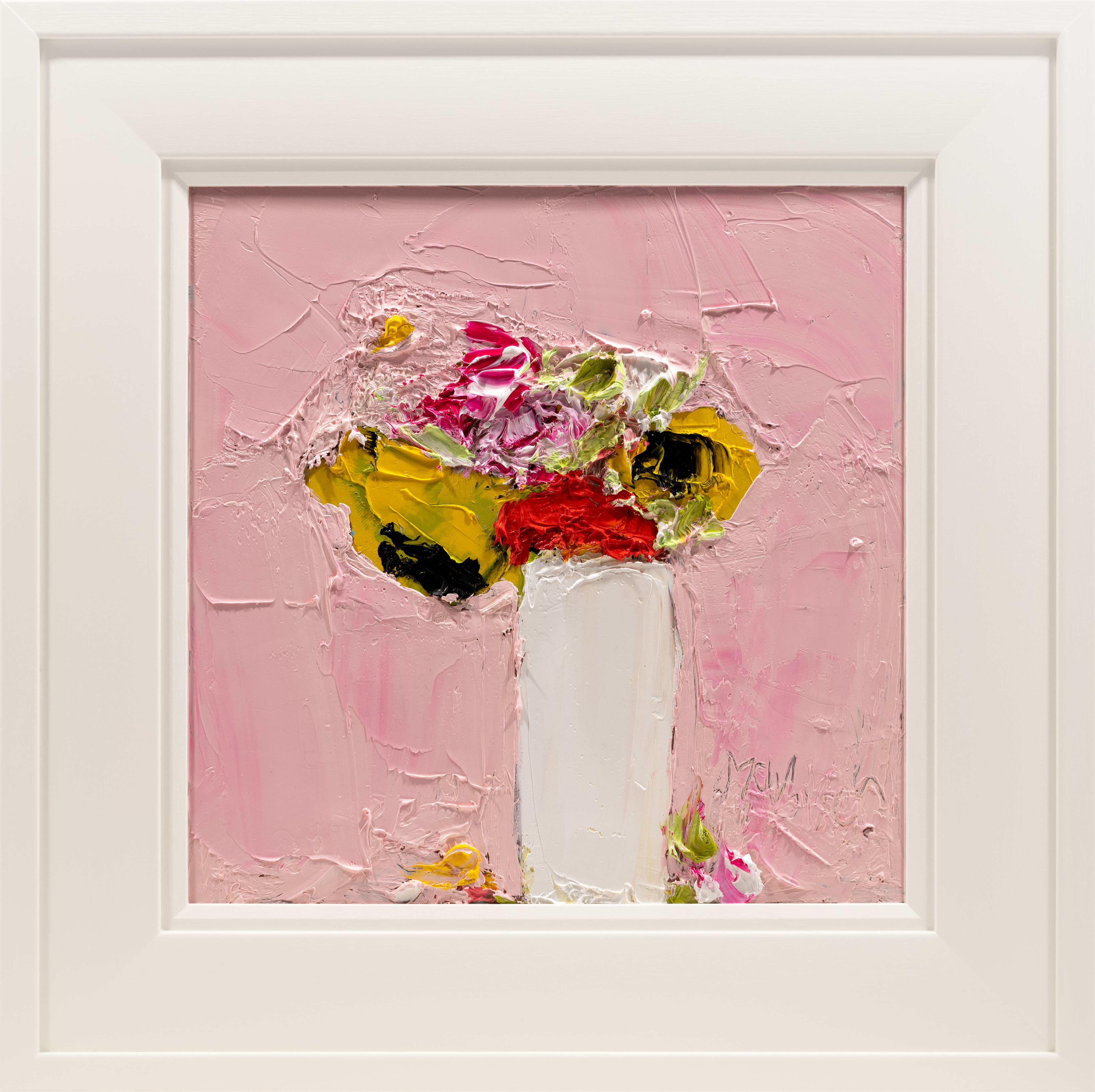
Peony, Superstar Roses and Sunflowers against Oyster Pink Framed Size: 59 x 59 cm 59 59
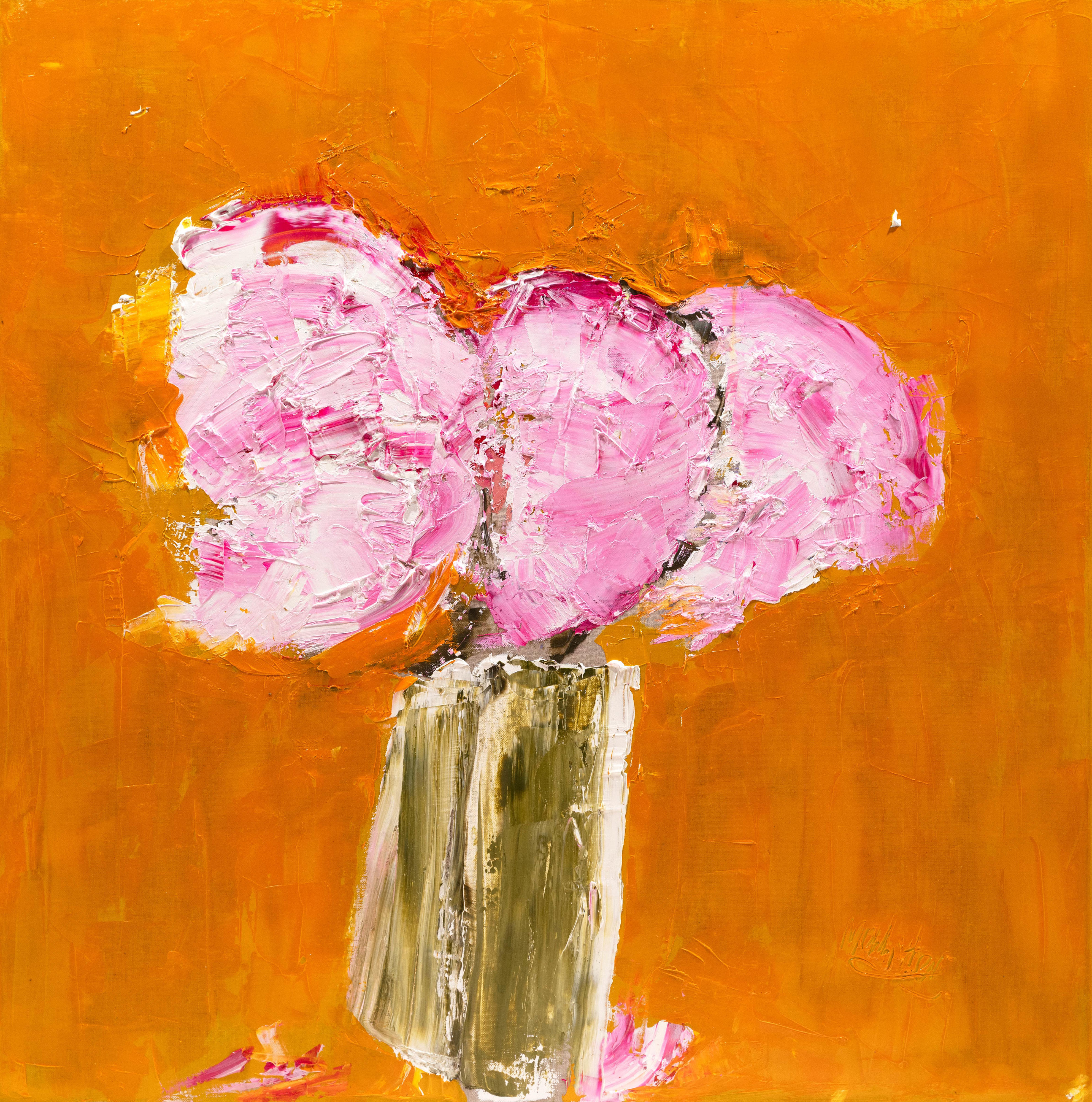
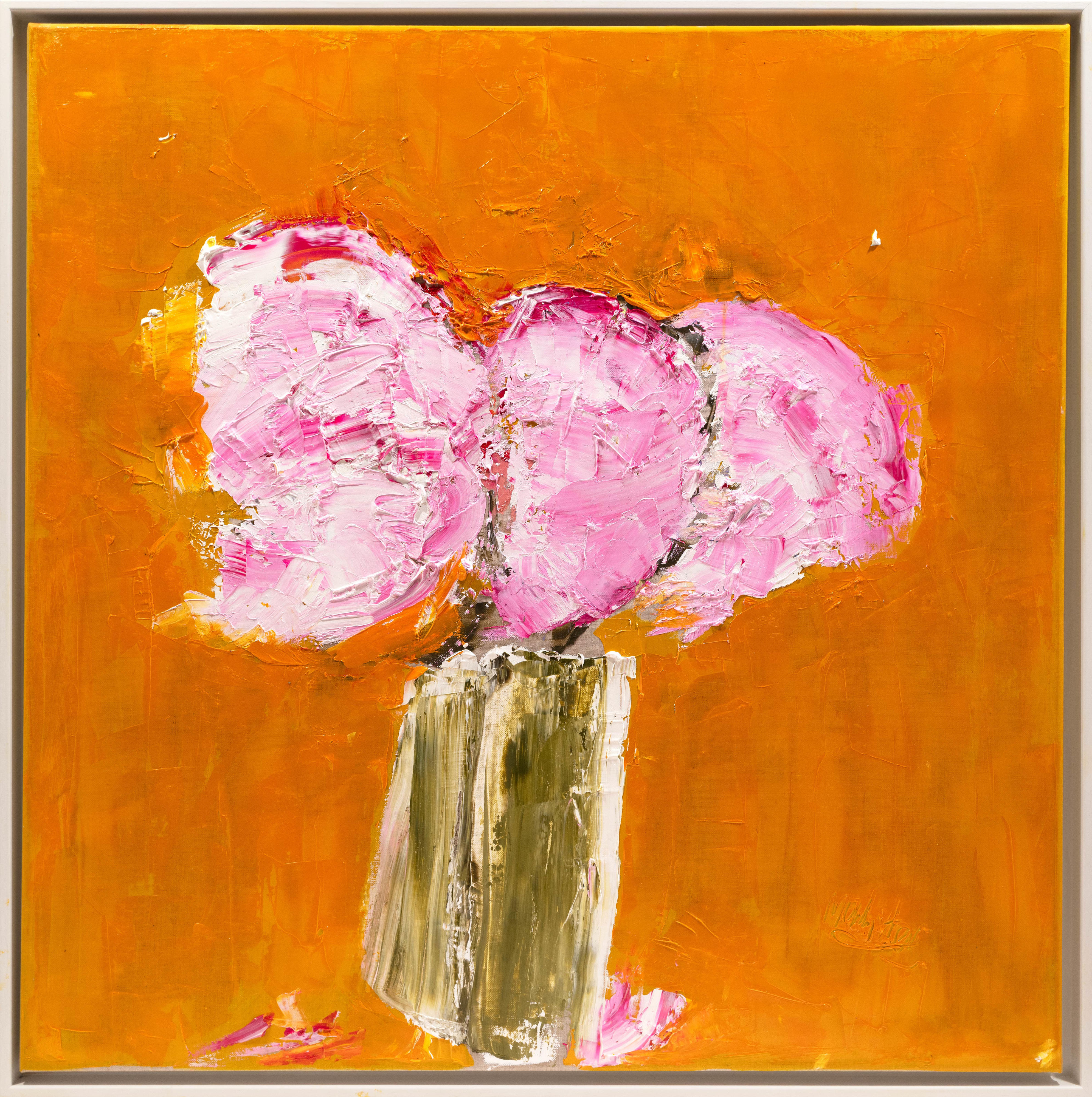
Peonies against Indian Yellow Framed Size: 106 x 106 cm 106 106
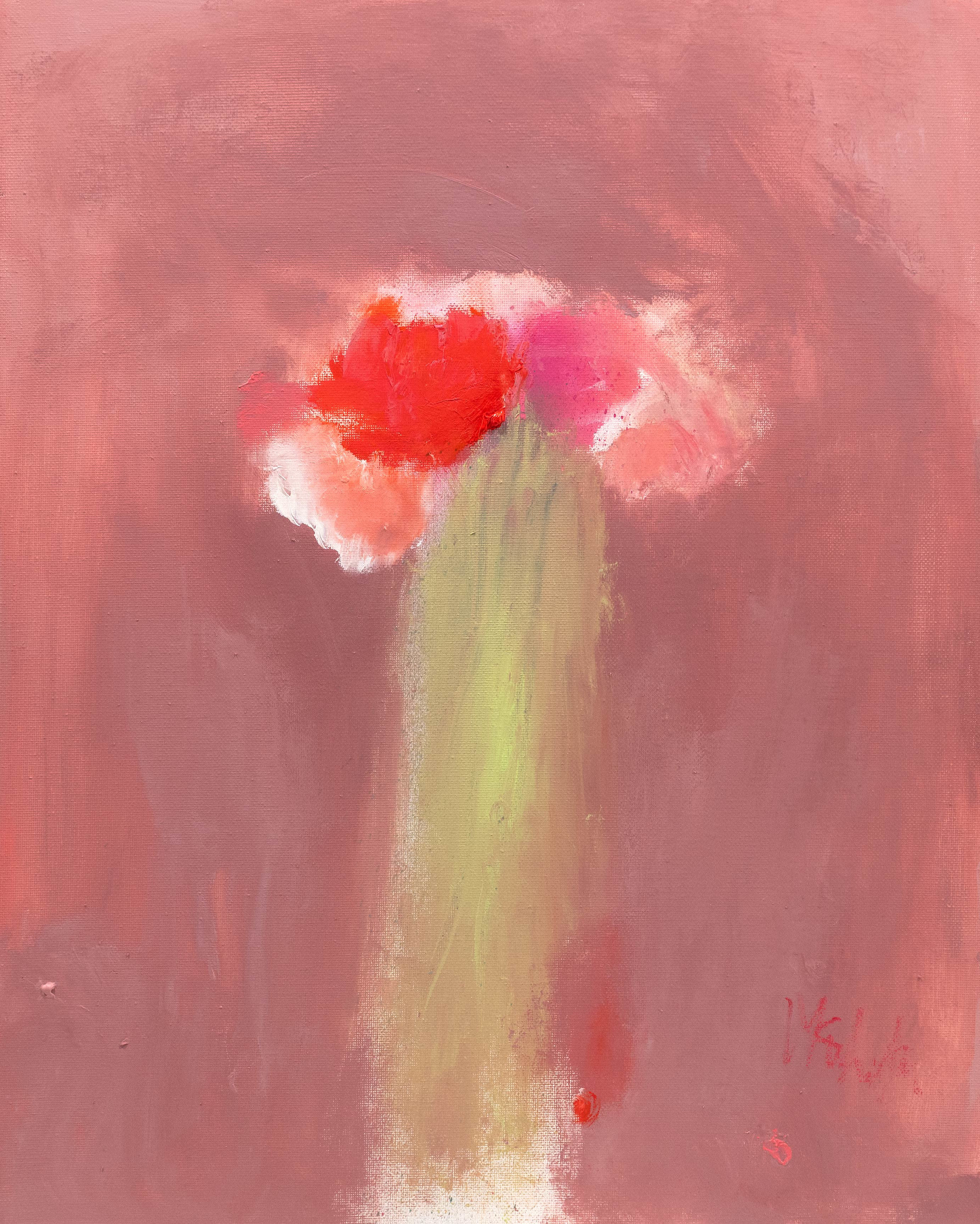
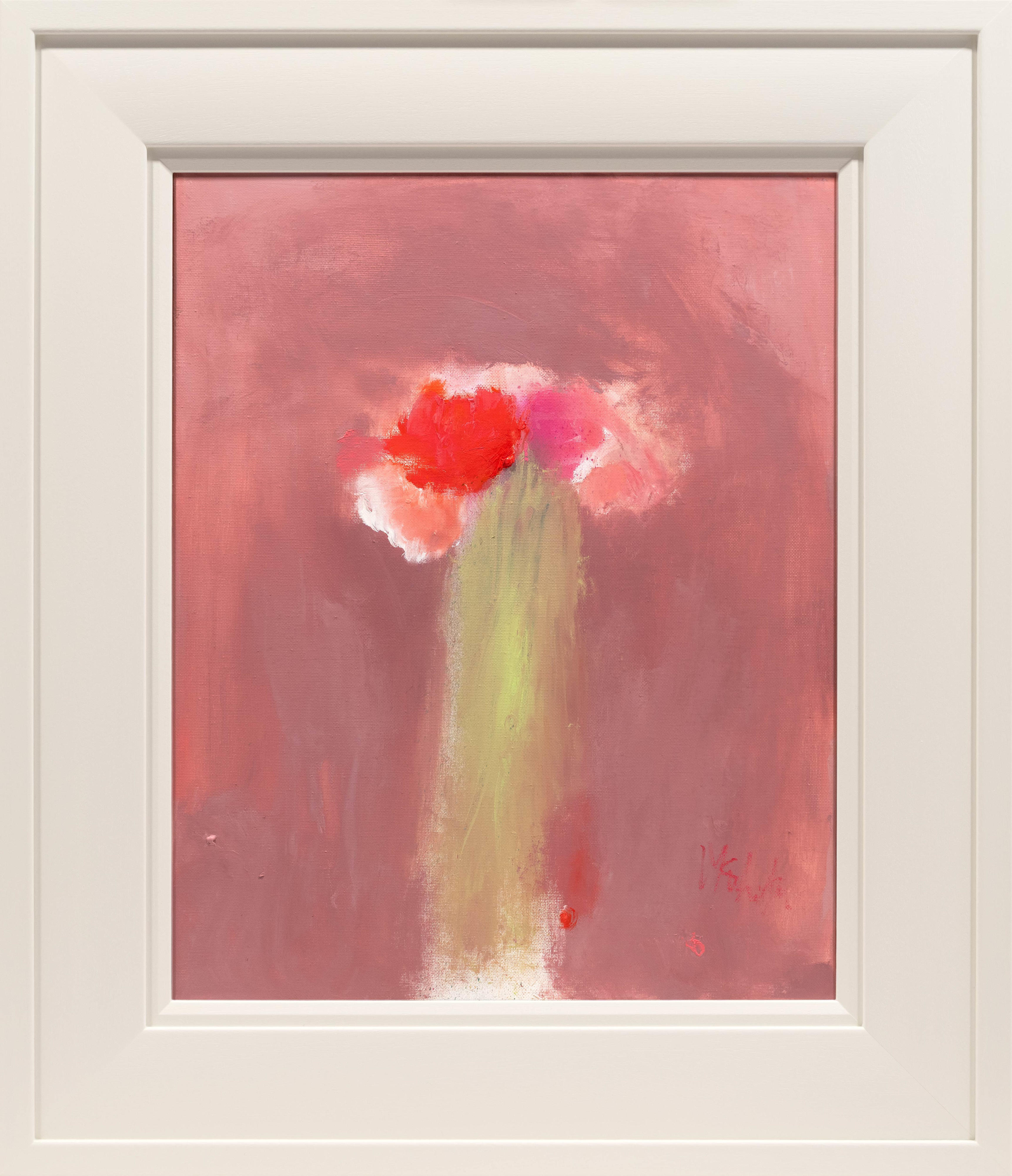
Superstar and Dog Rose against Potters Pink Framed Size: 59 x 70 cm 59 70
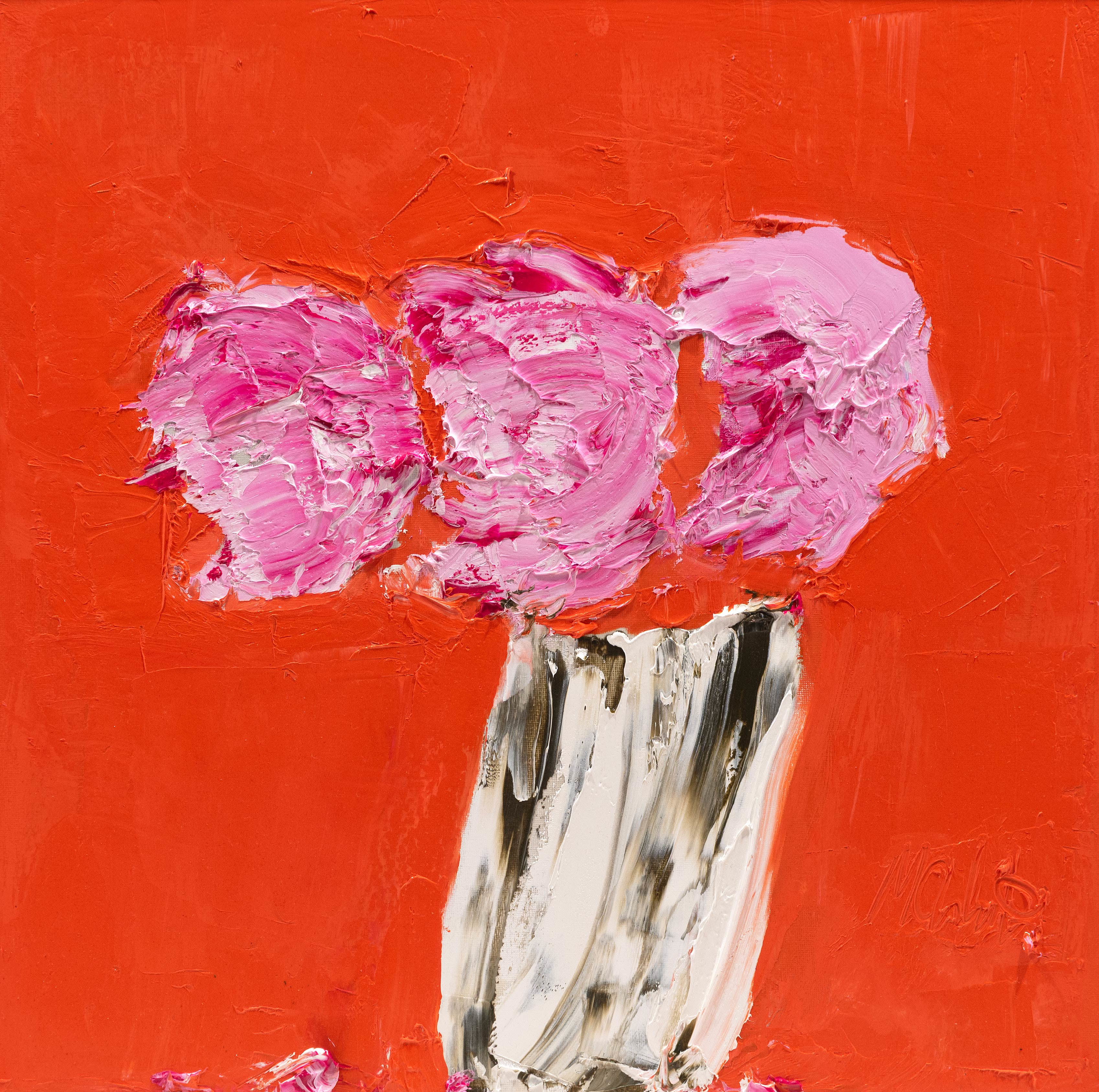
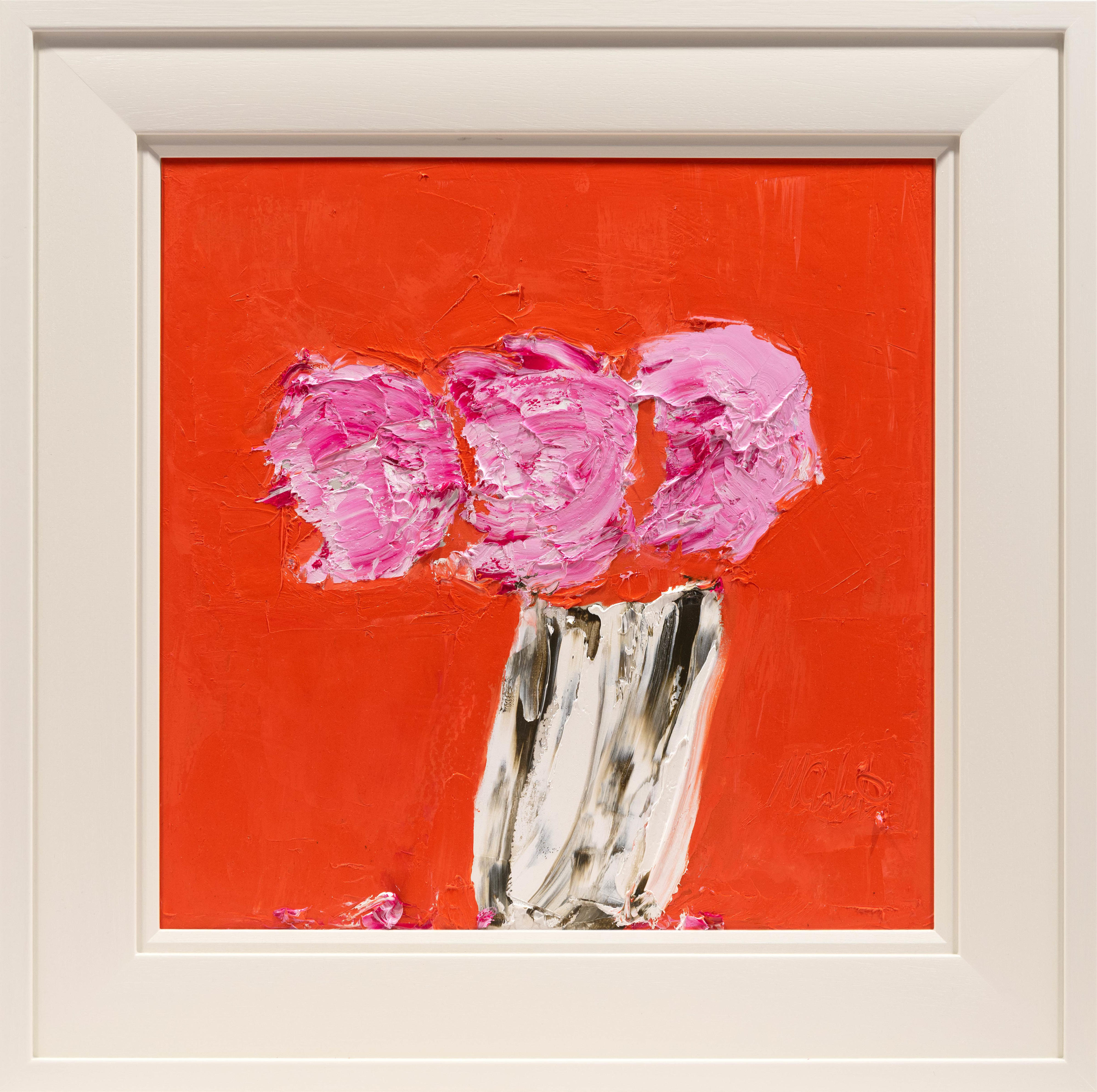
Peonies against Permanent Orange Framed Size: 69 x 69 cm 69 69
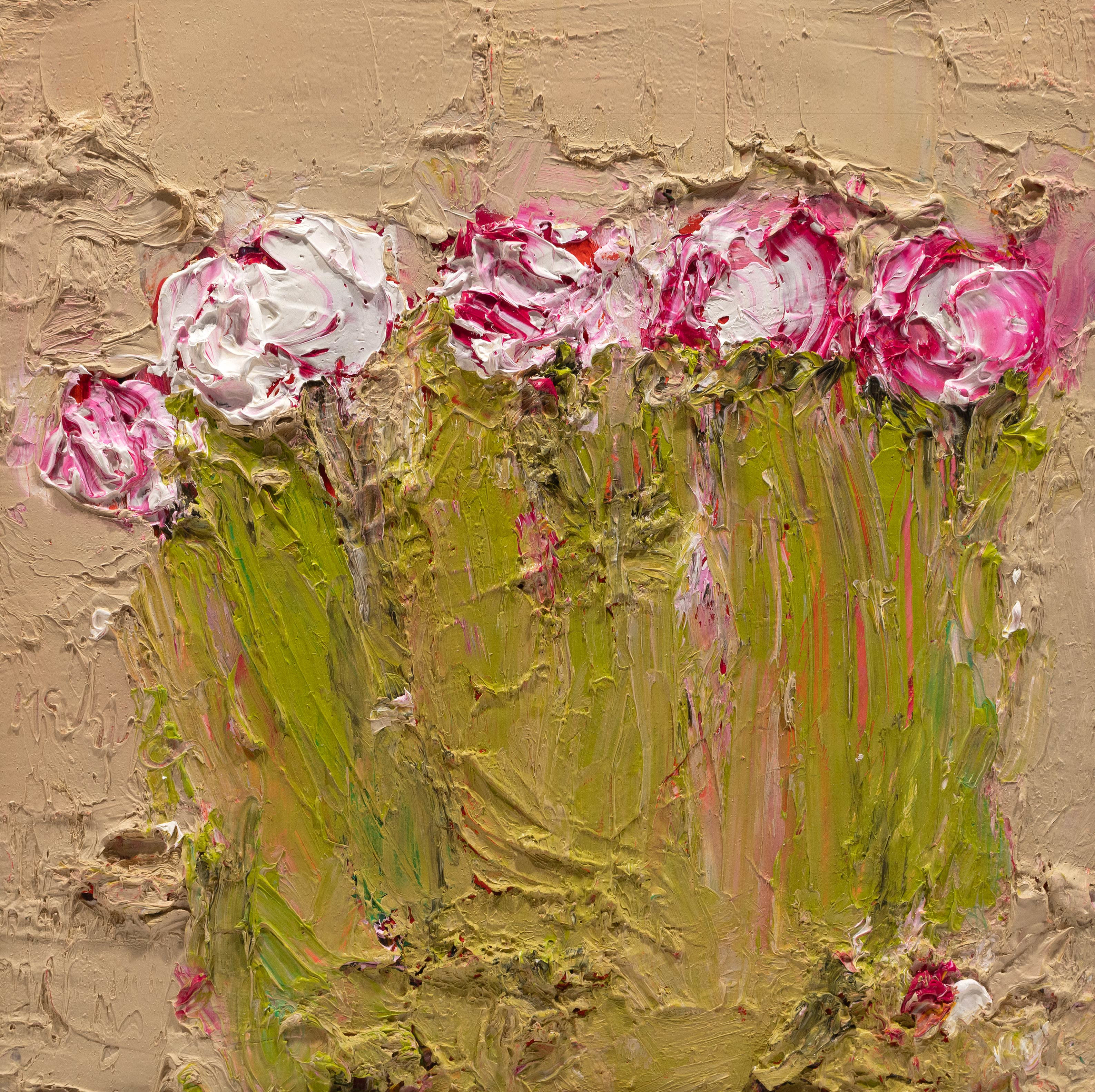
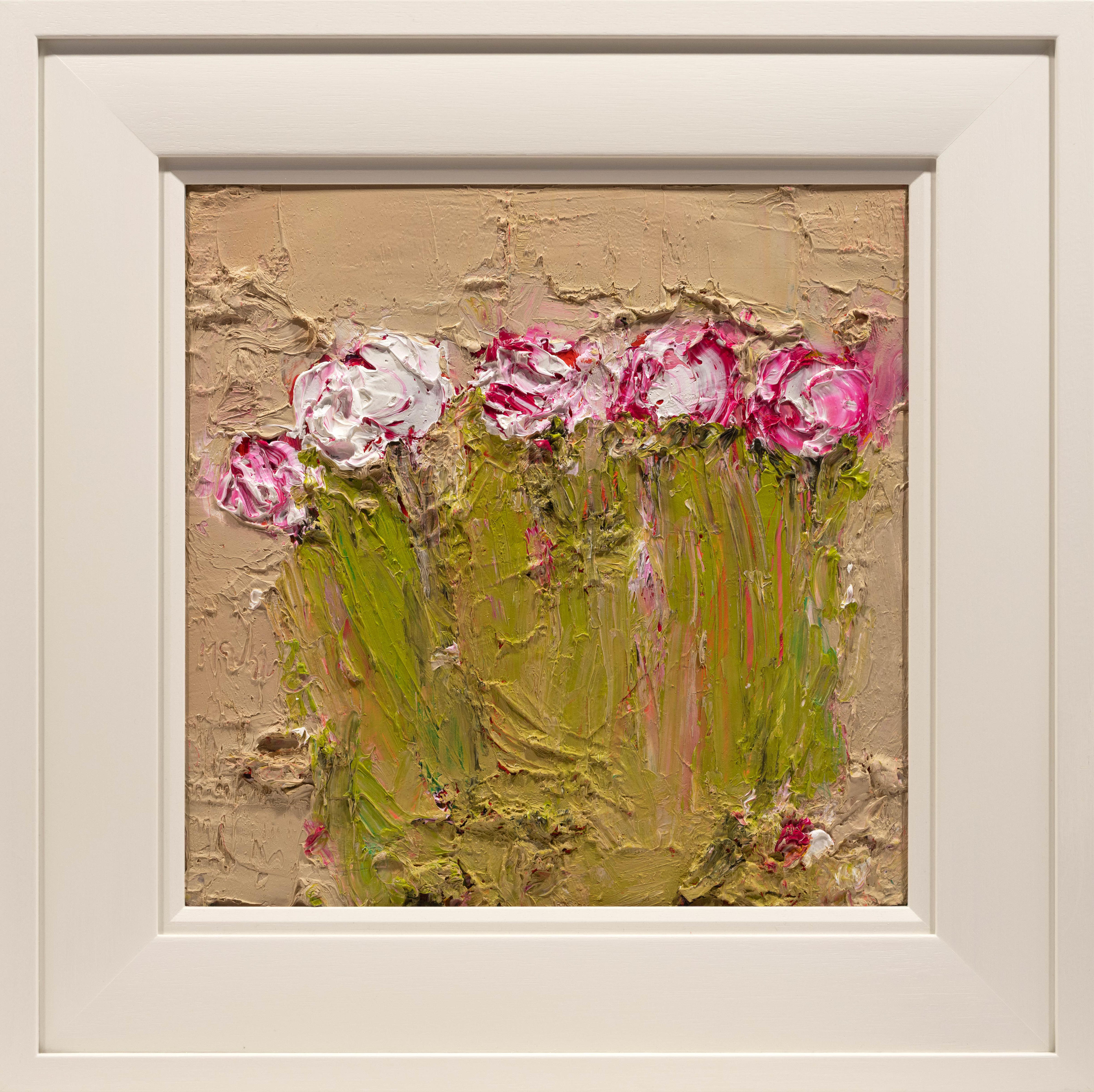
White and Cerise Peonies against Warm Umber Framed Size: 60 x 60 cm 60 60
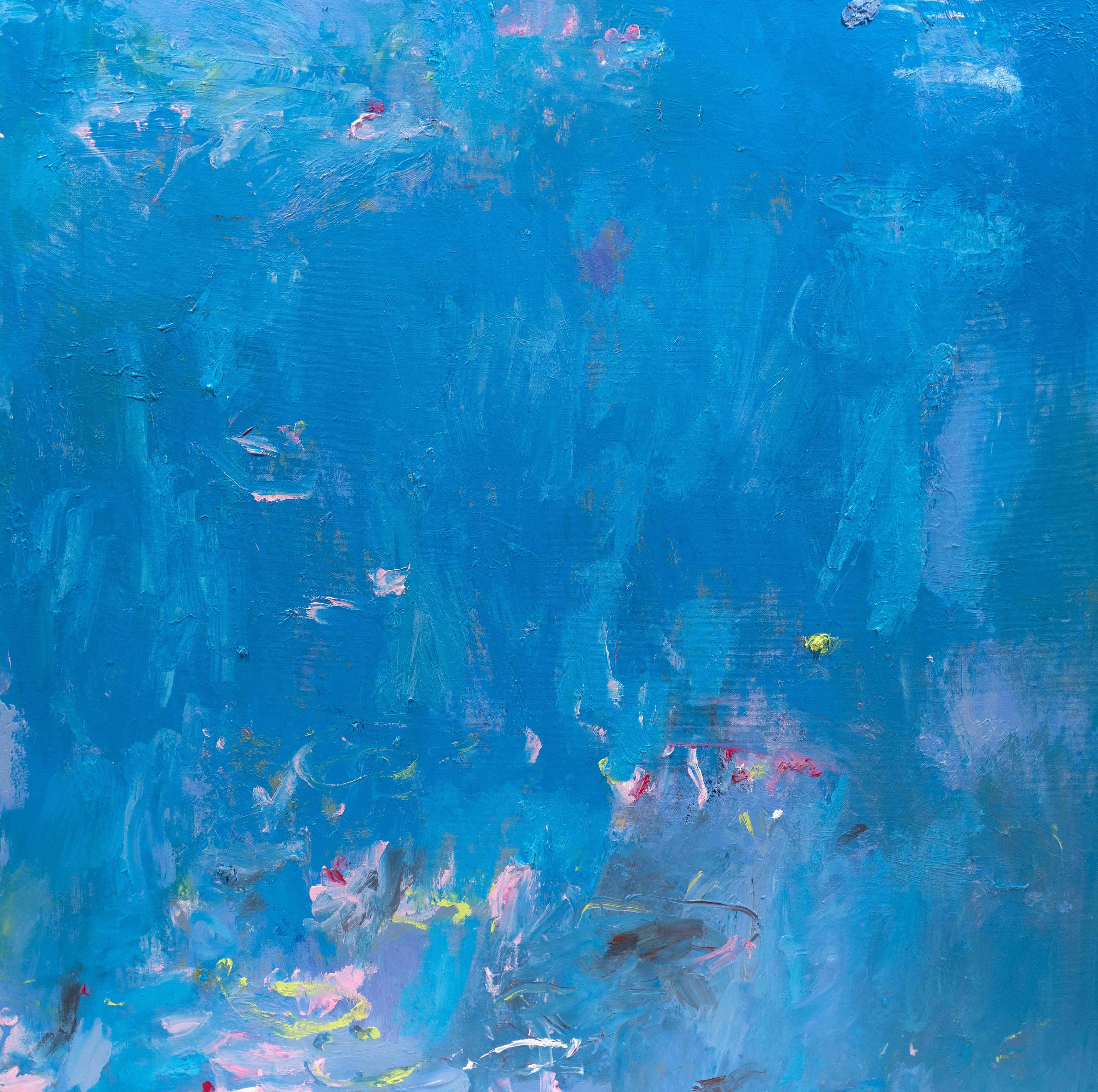
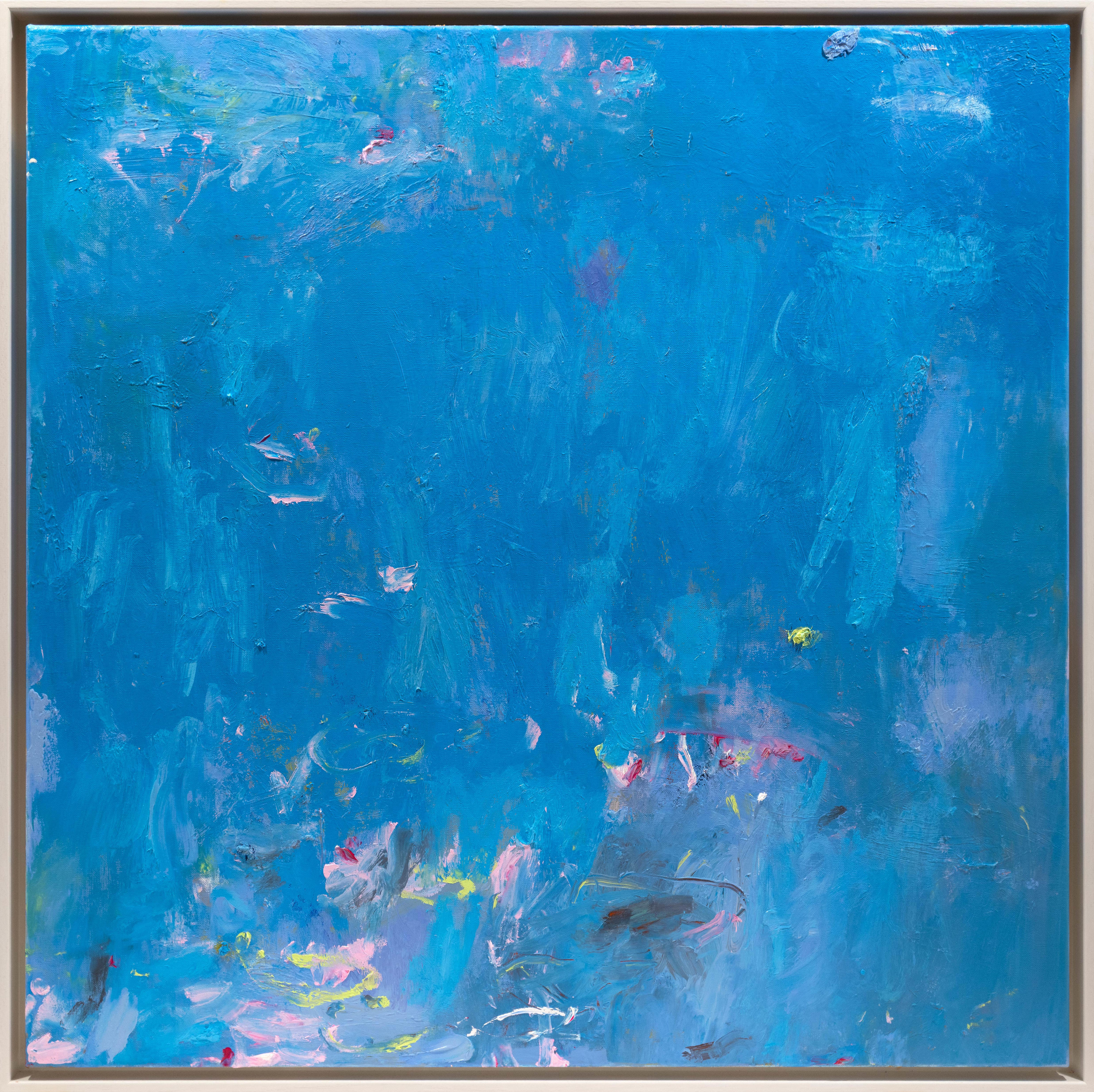
Sea Rose Framed Size: 106 x 106 cm 106 106
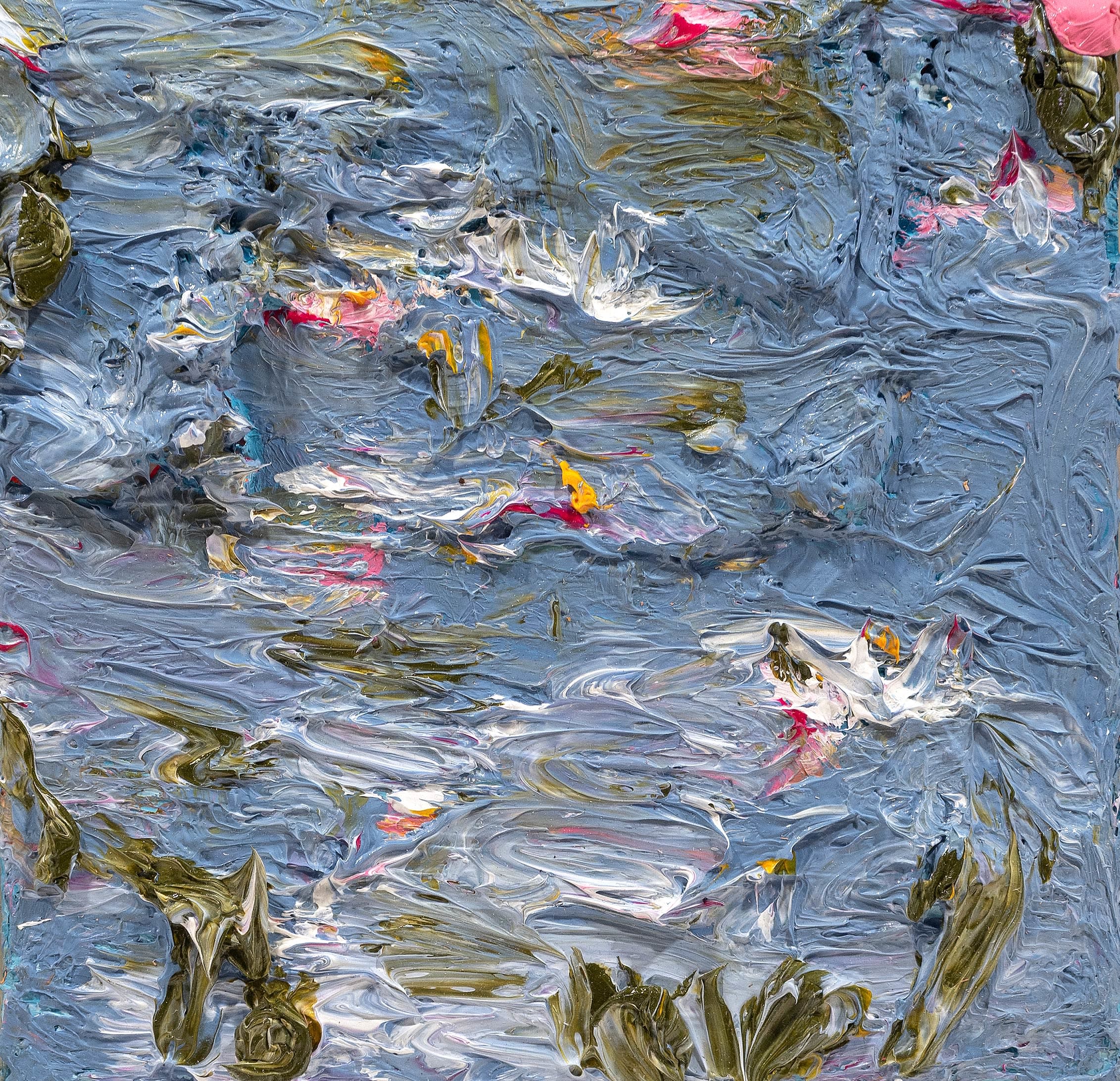
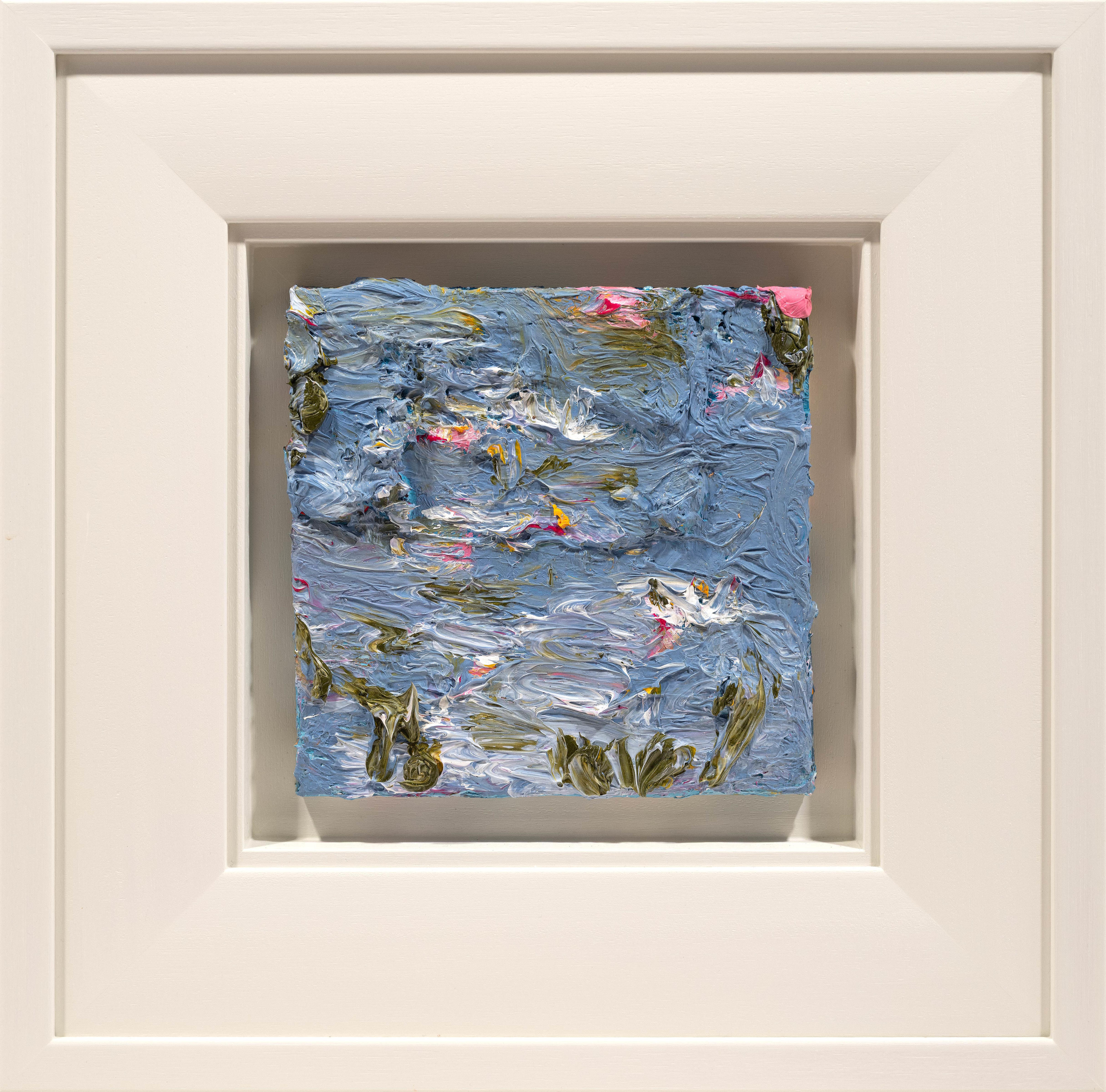
Sea Rose - Study Framed Size: 43 x 42 cm 43 42
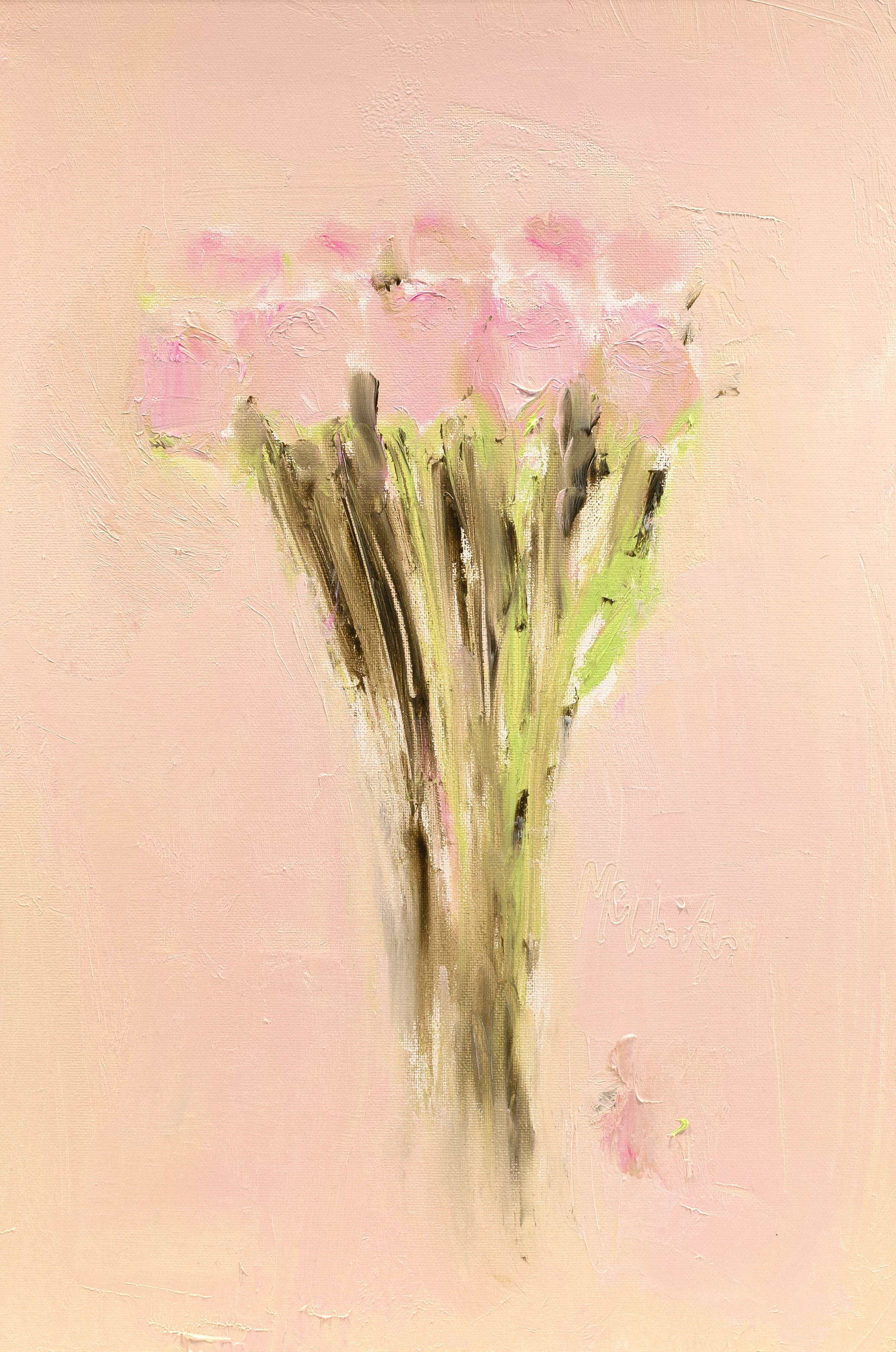
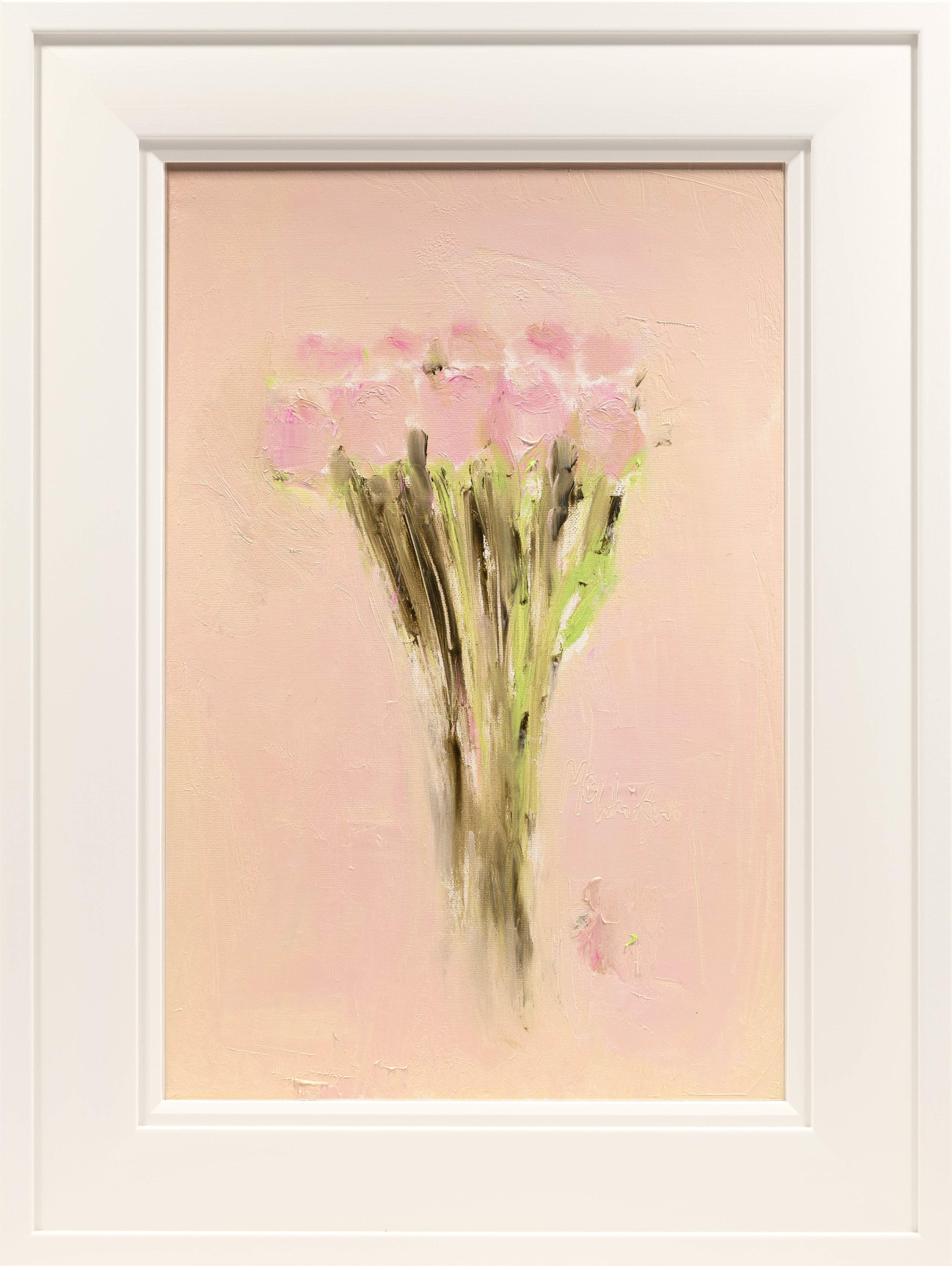
Peace Roses Framed Size: 61 x 79 cm 61 79
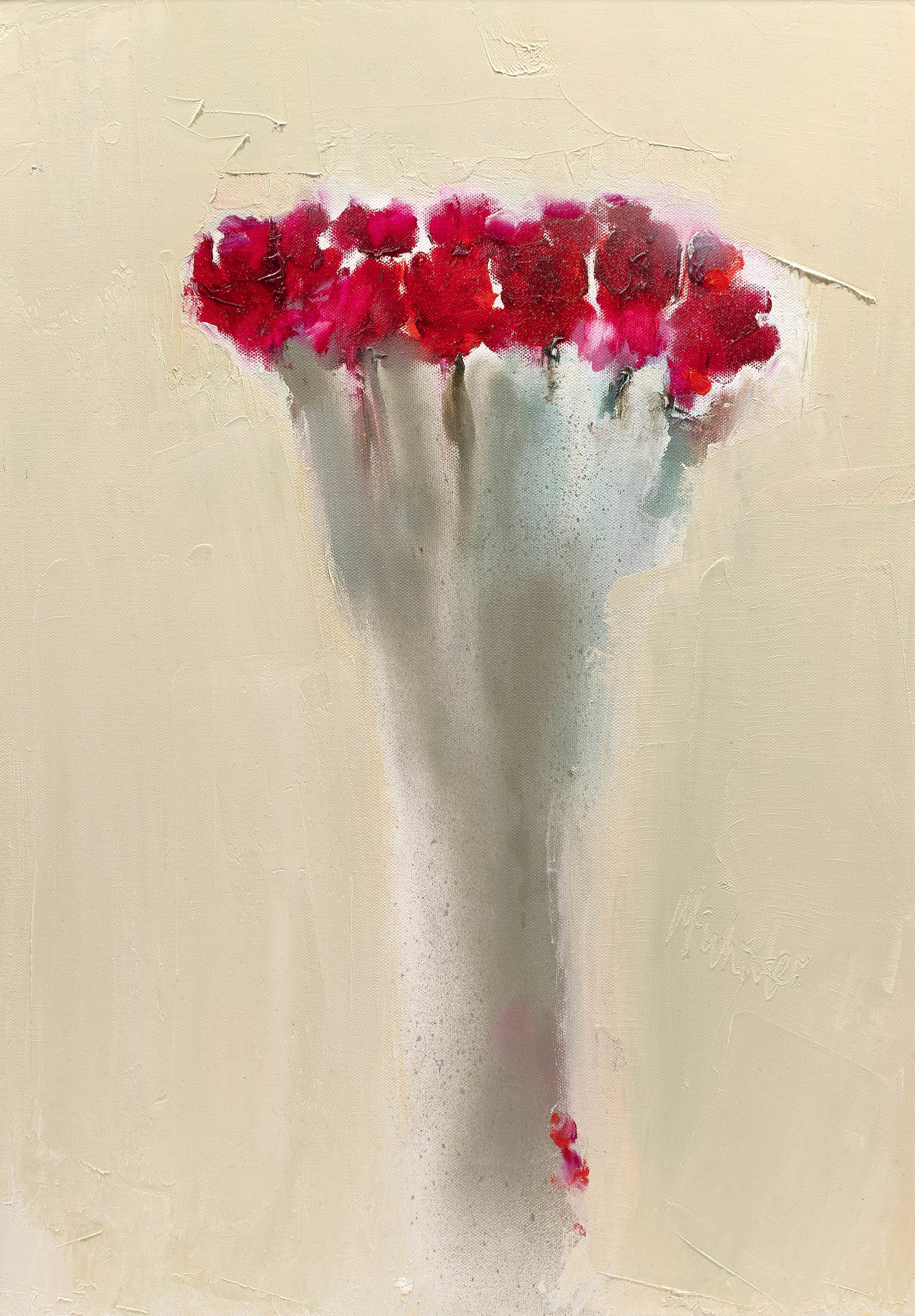
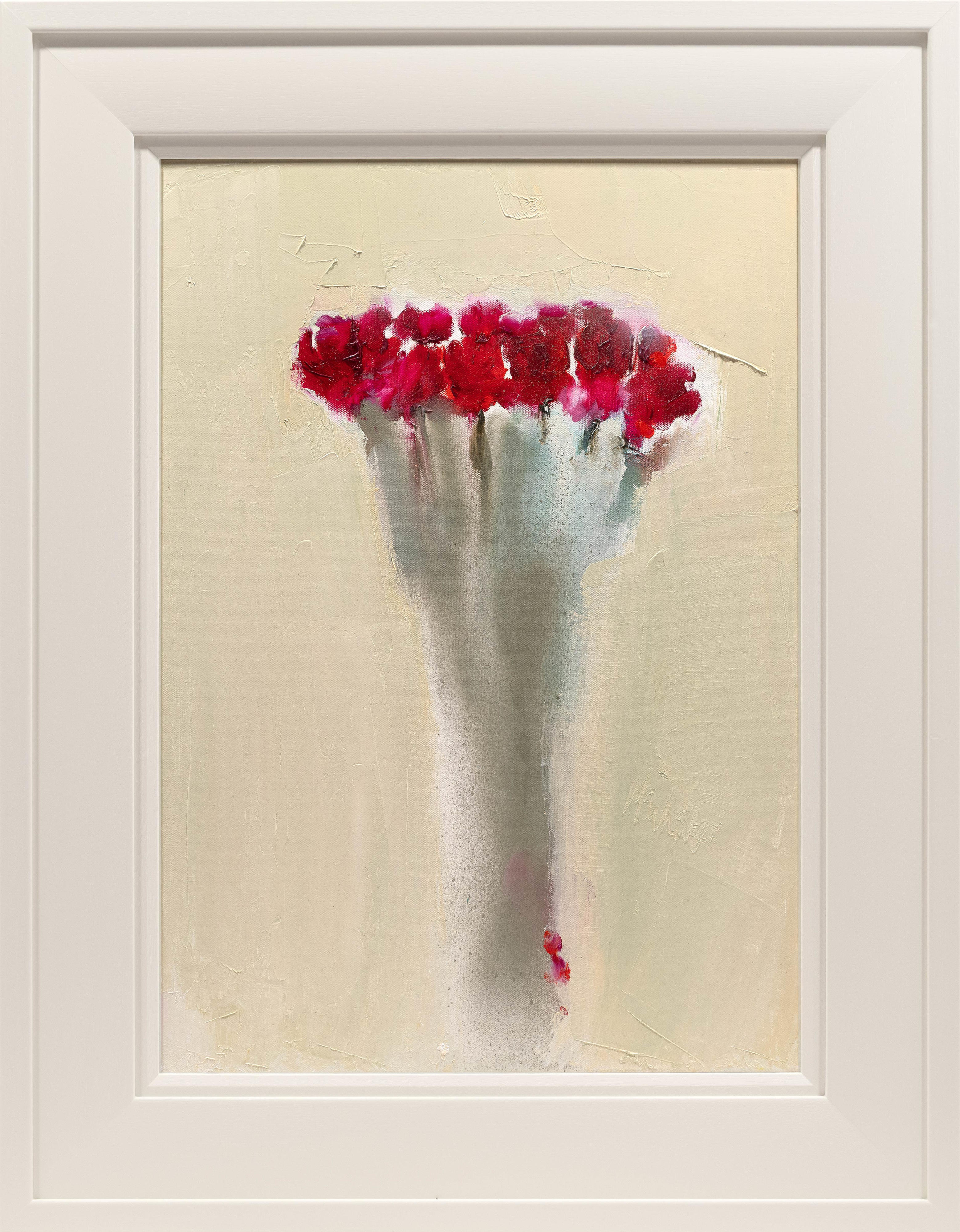
Forever Red Rose against Pale Lime White Framed Size: 61 x 79 cm 61 79
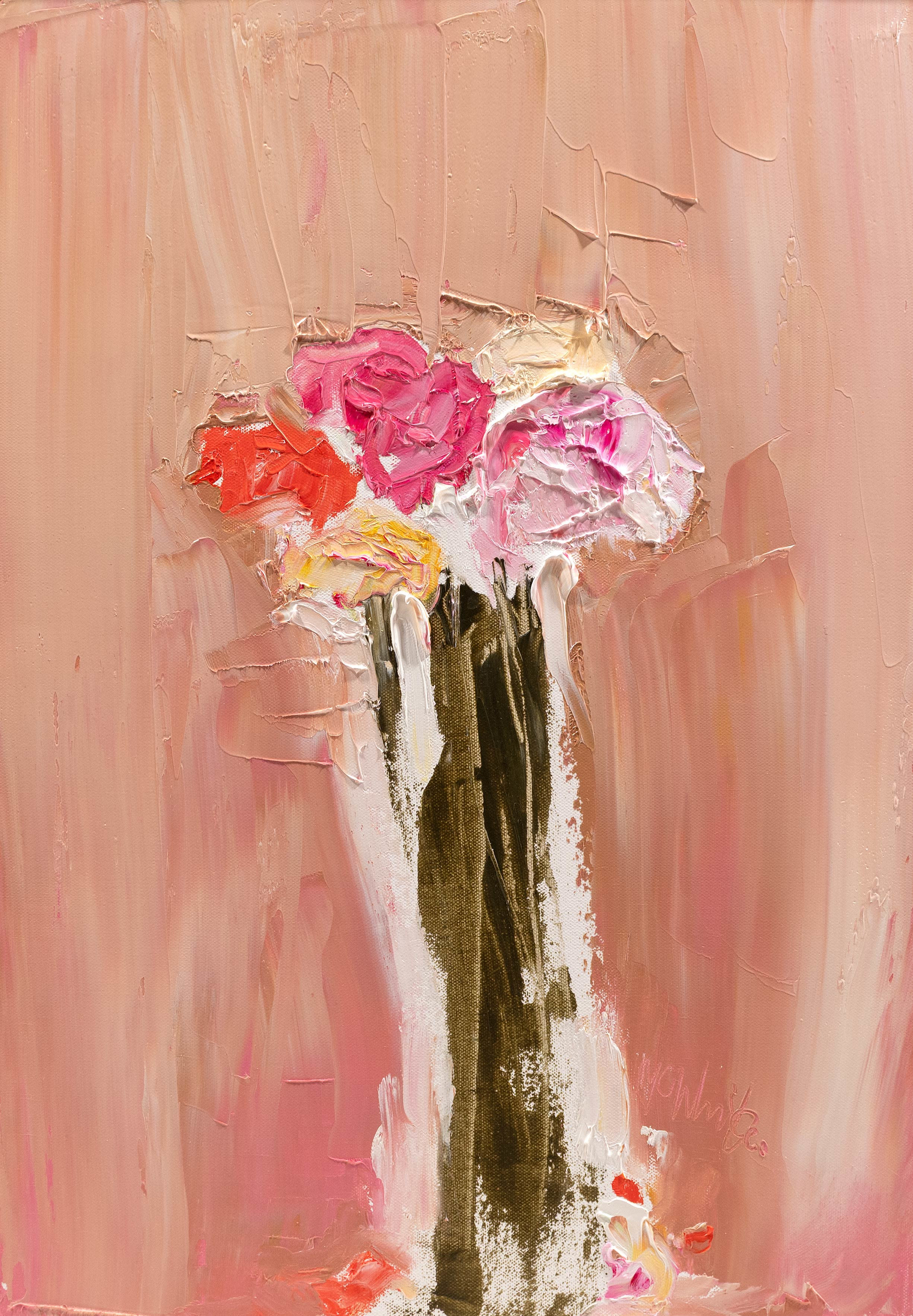
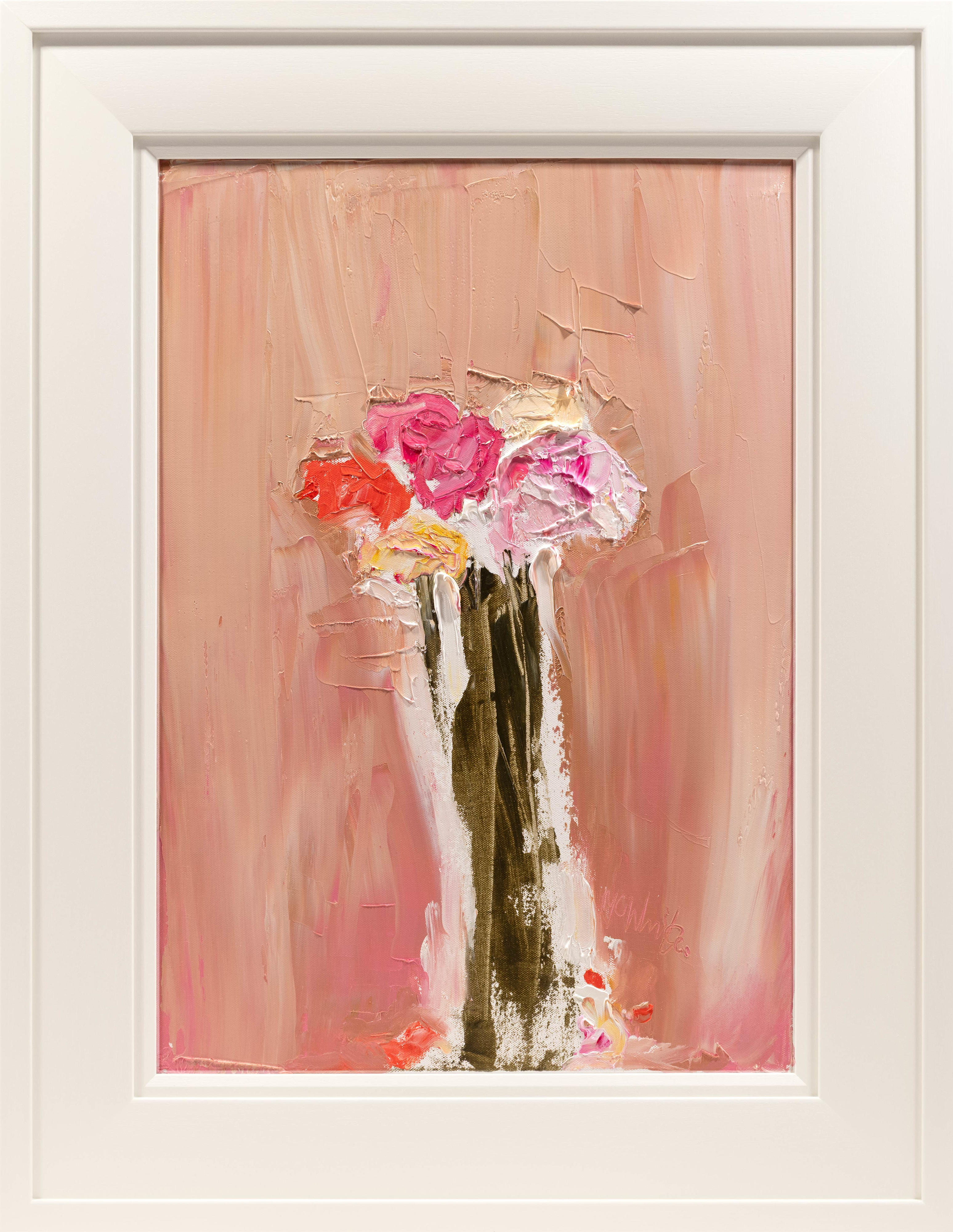
Peony Rose, Old Rose, Coral Flame Rose and Vanessa Bell Rose against Warm Taupe Pink Framed Size: 61 x 79 cm 61 79
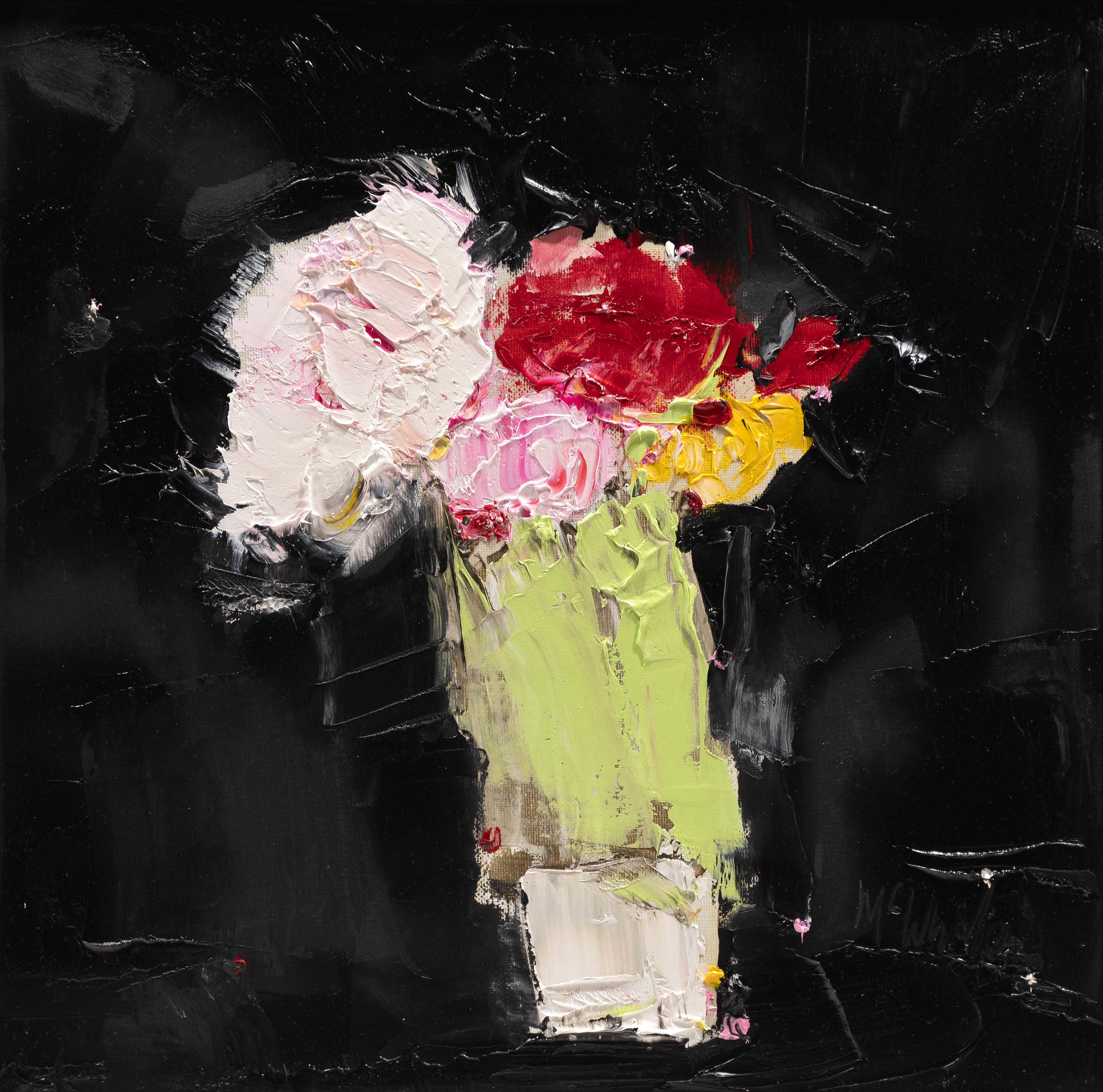
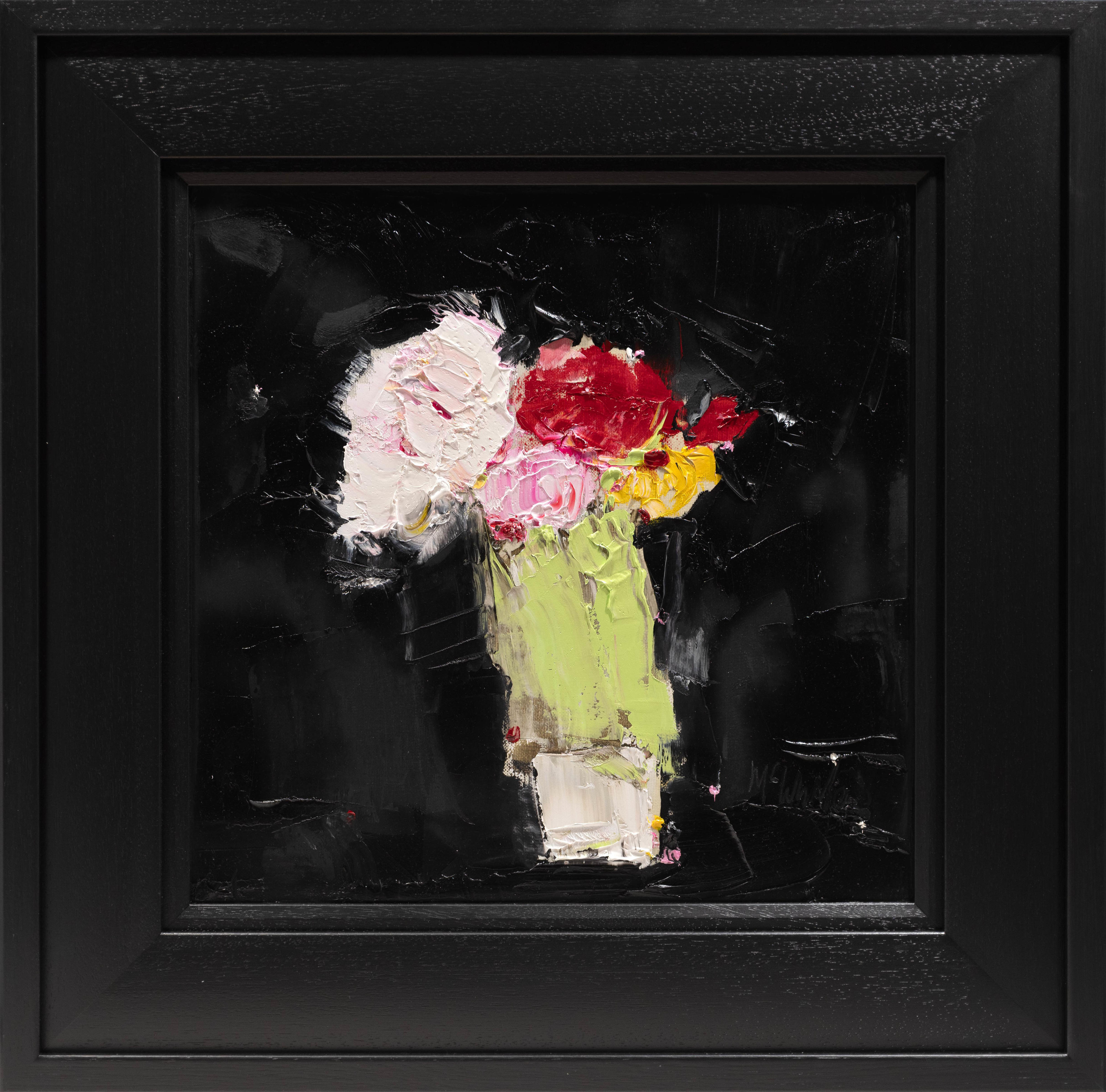
Peace Rose, Superstar Rose and Tiger Lily against Lamp Black Framed Size: 60 x 60 cm 60 60
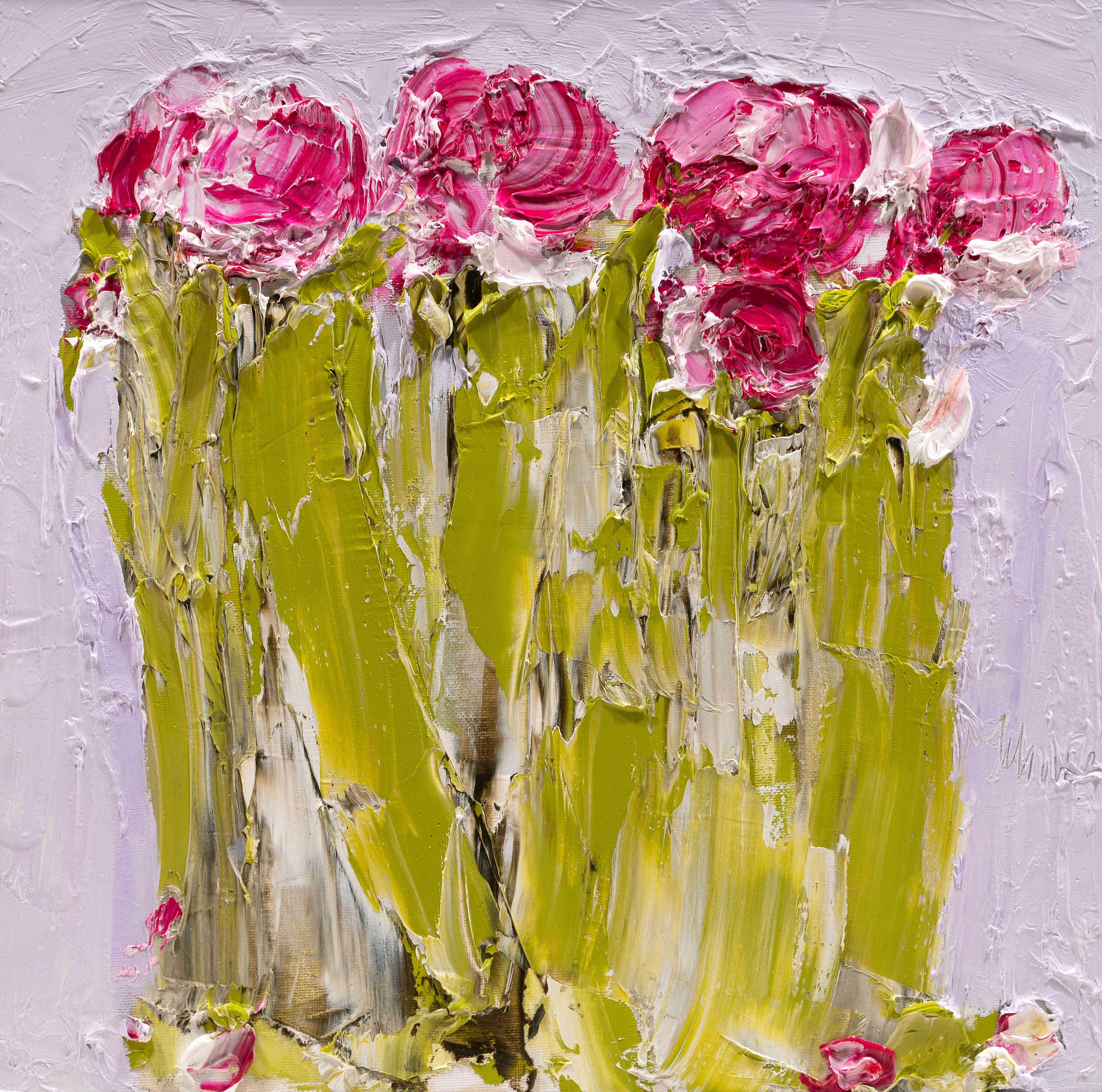
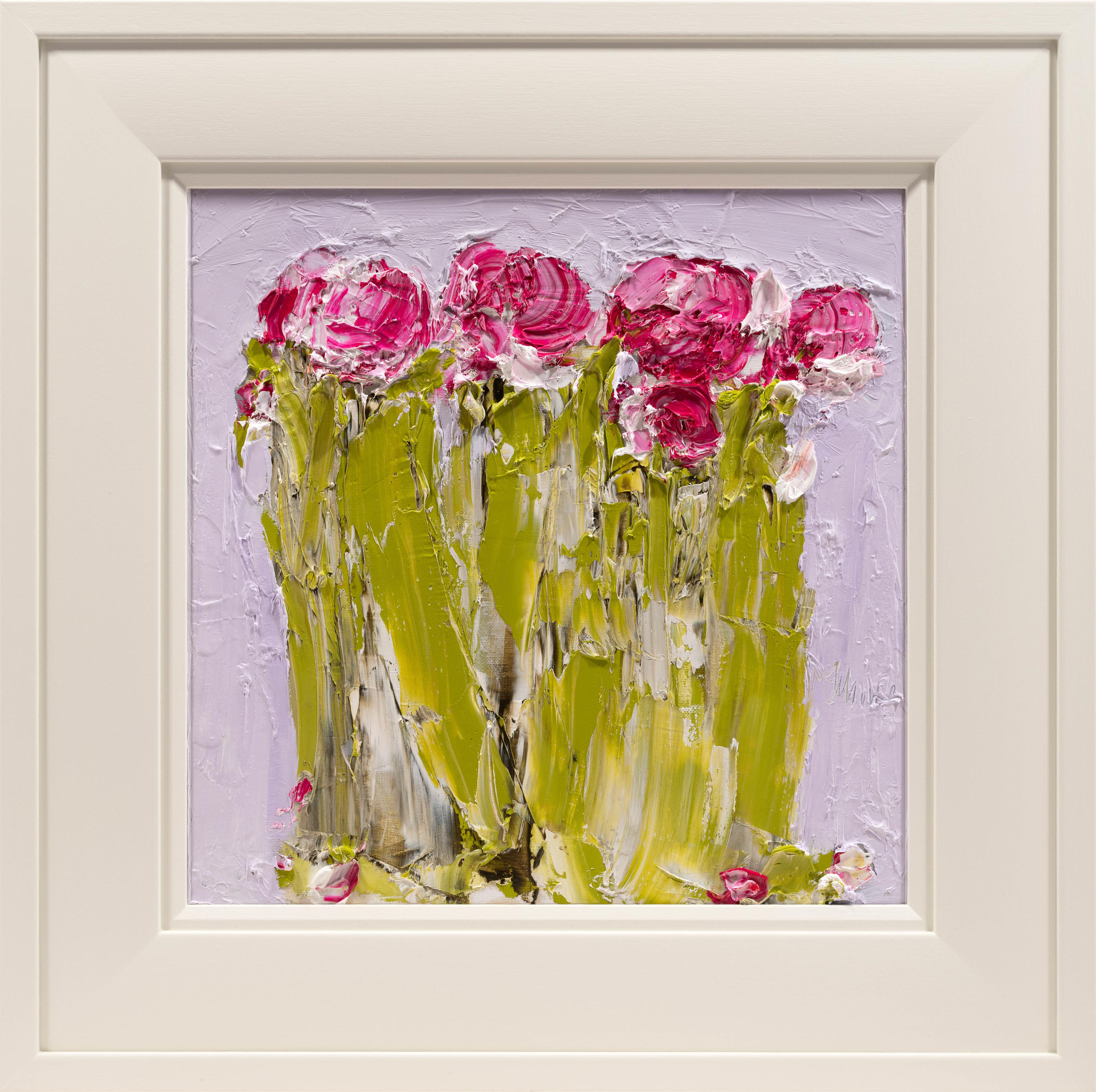
Peony Buds Against Pale Lilac Framed Size: 59 x 59 cm 59 59
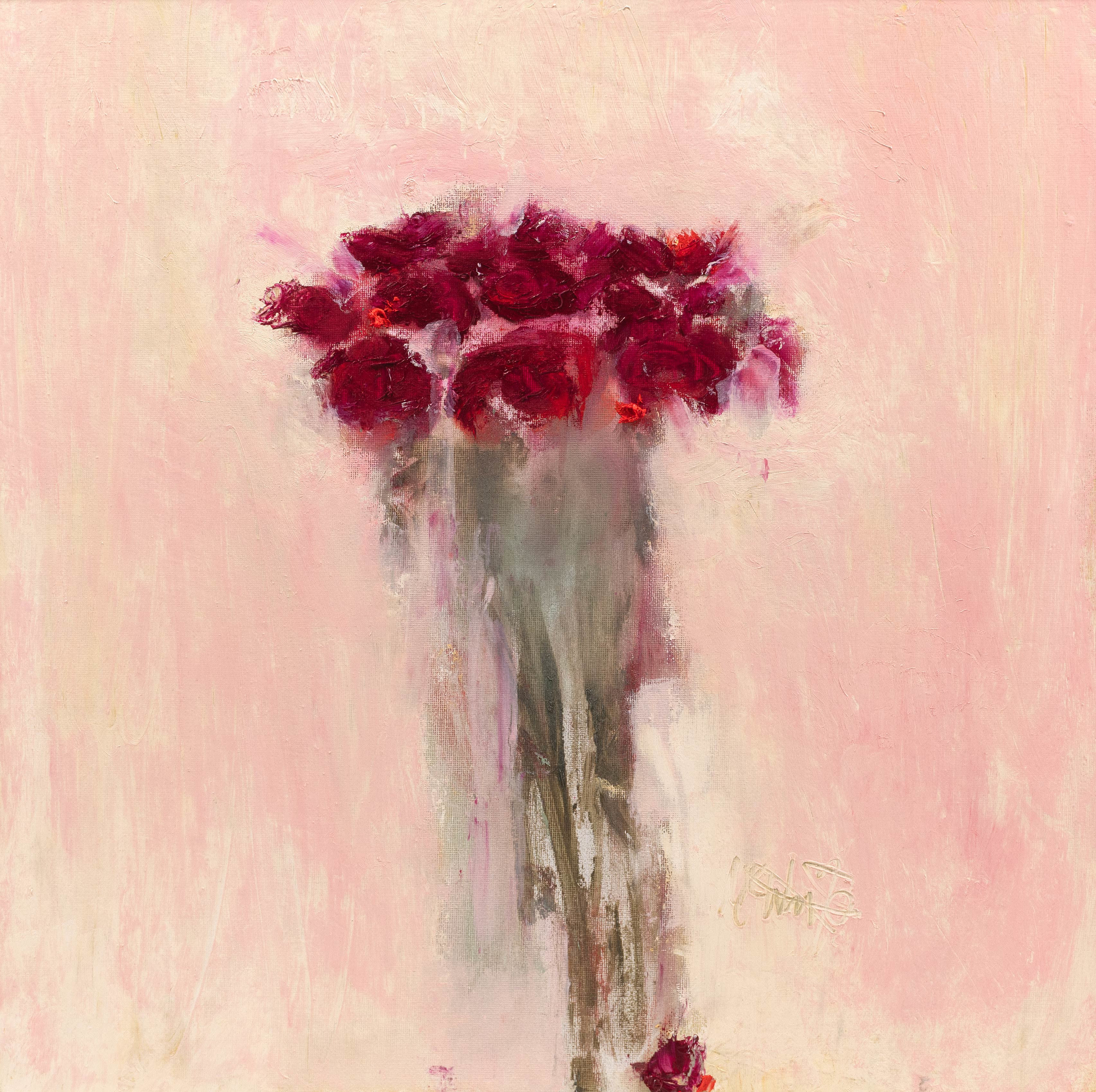
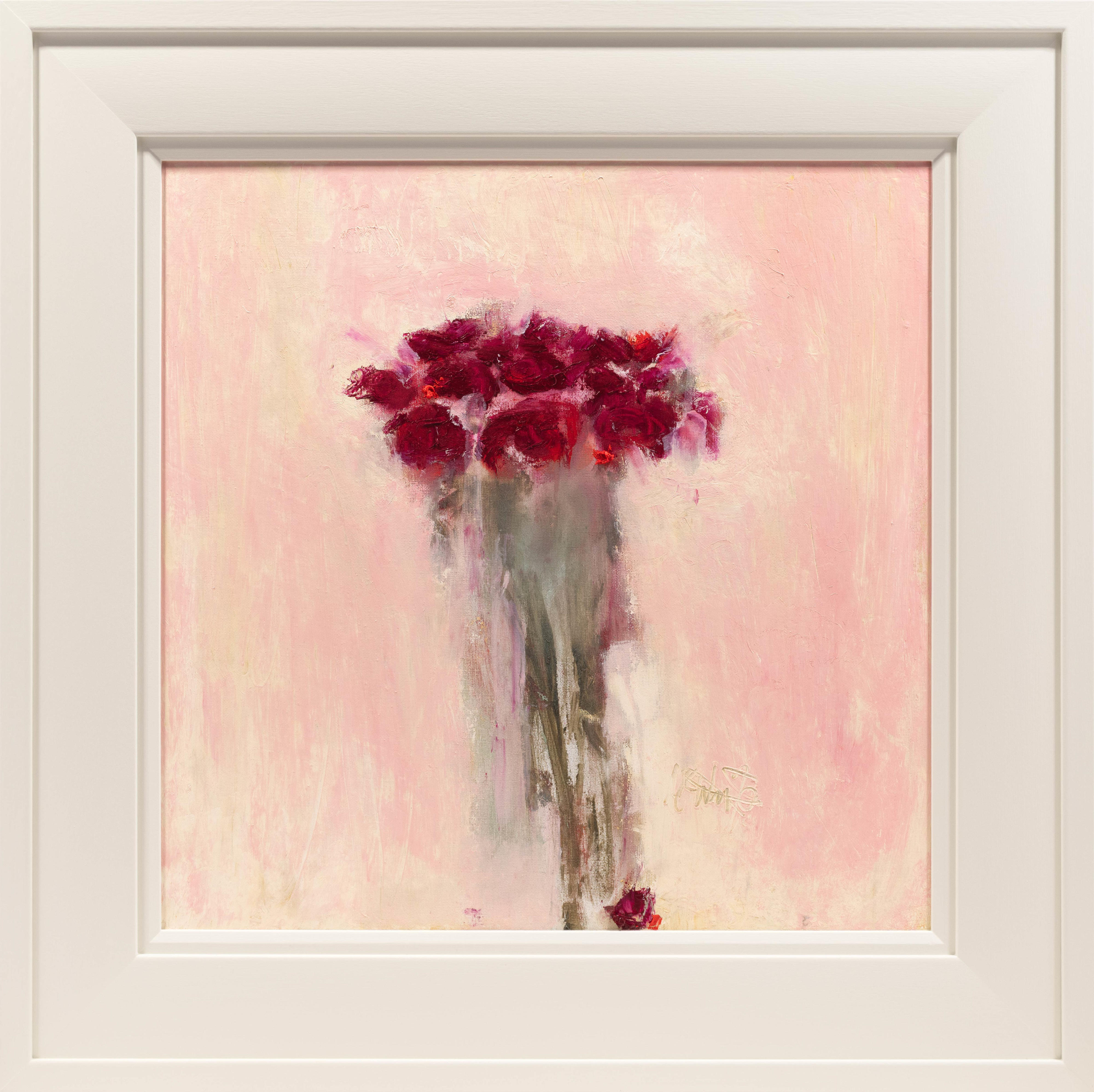
Forever Red Roses in Warm Pink Framed Size: 69 x 69 cm 69 69
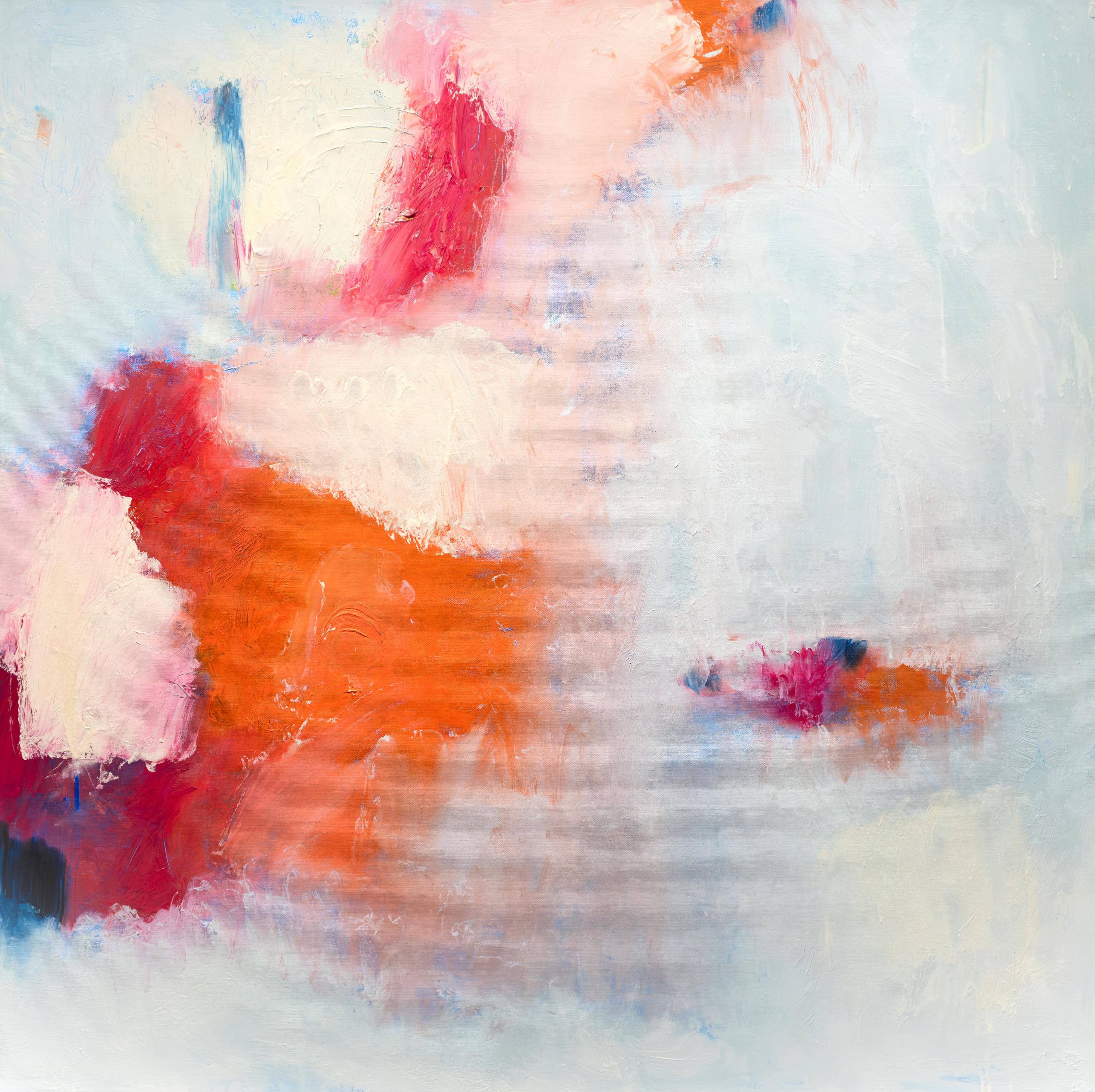
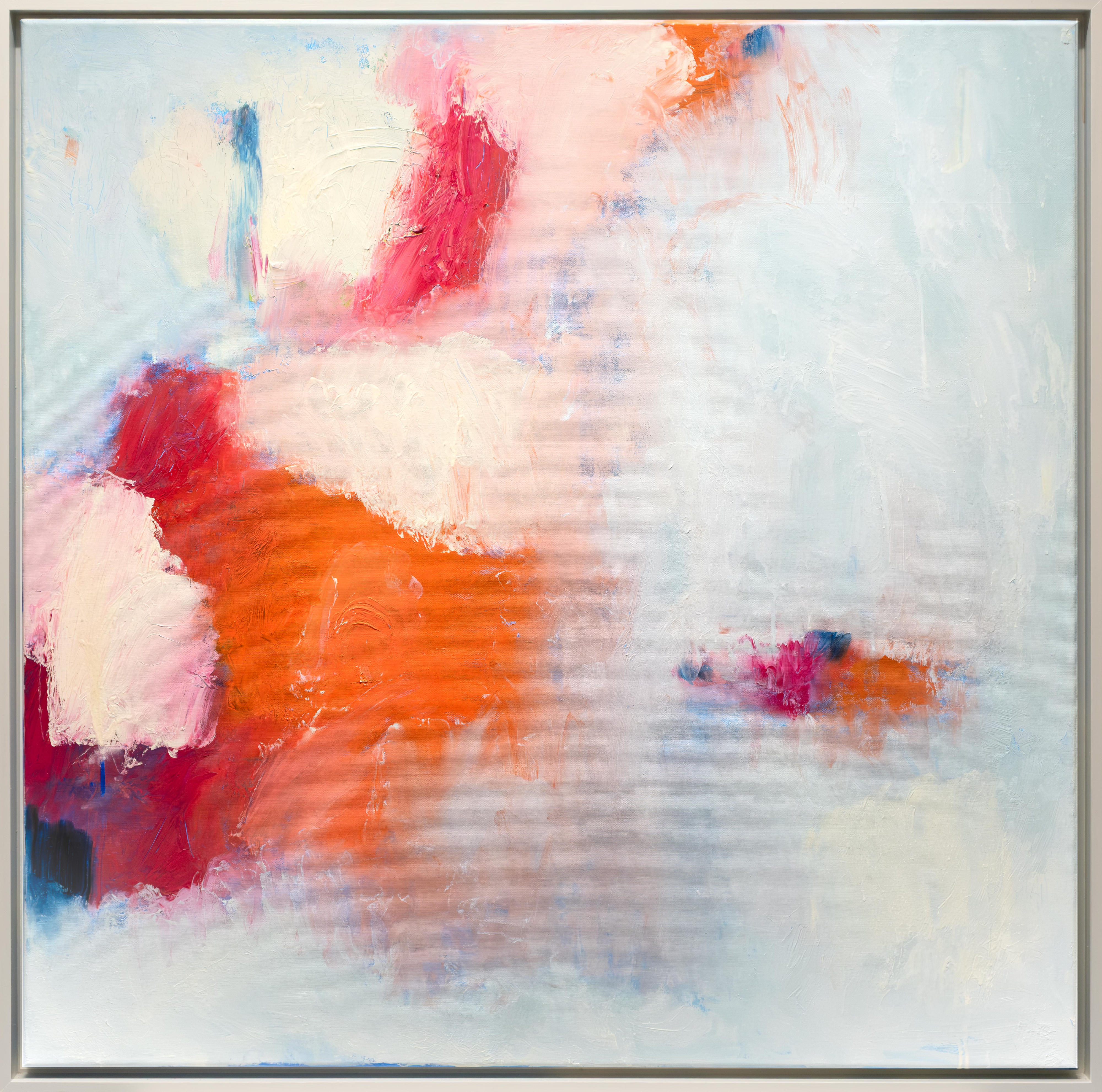
Sea of Sunset Framed Size: 106 x 106 cm 106 106
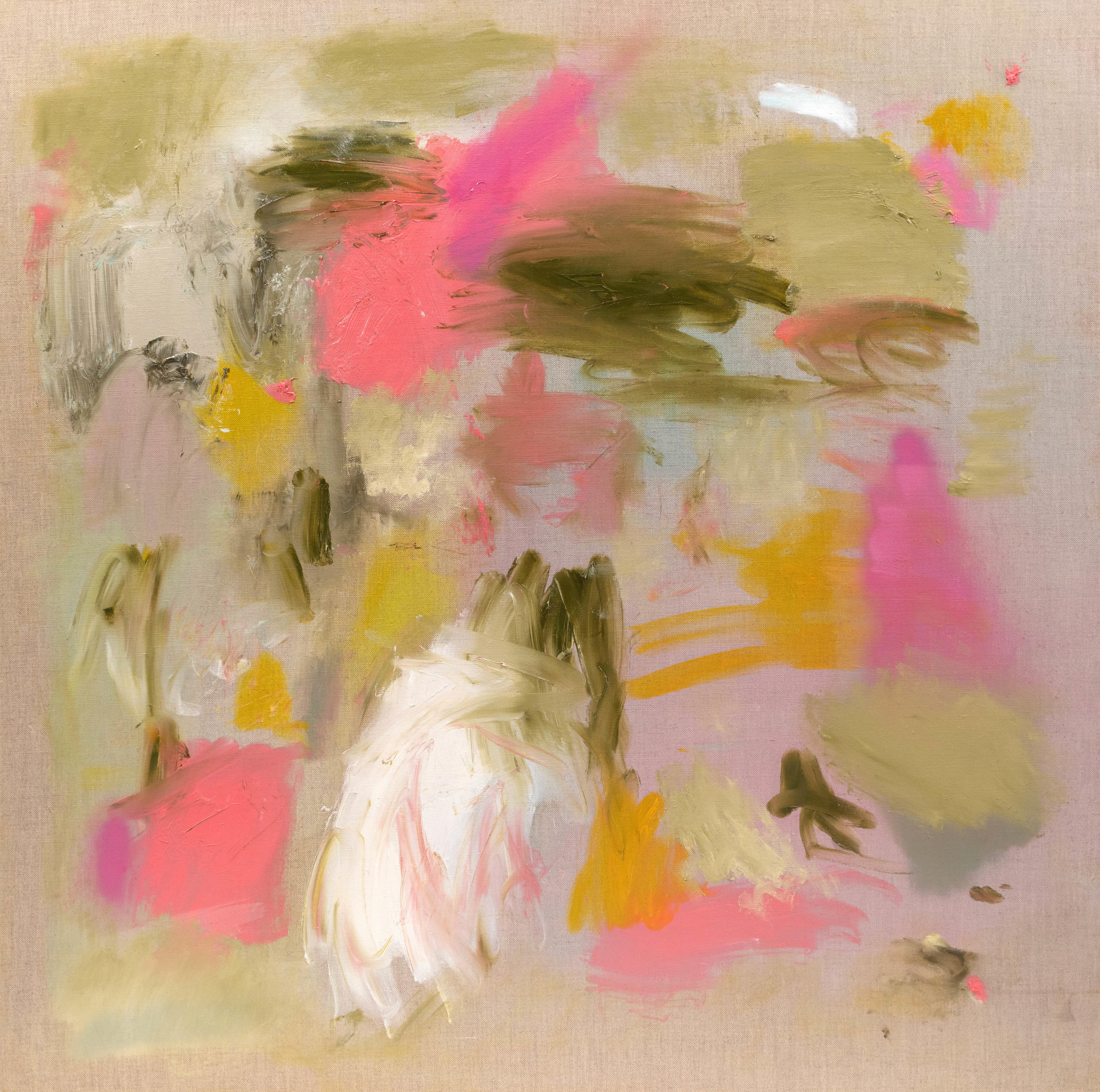
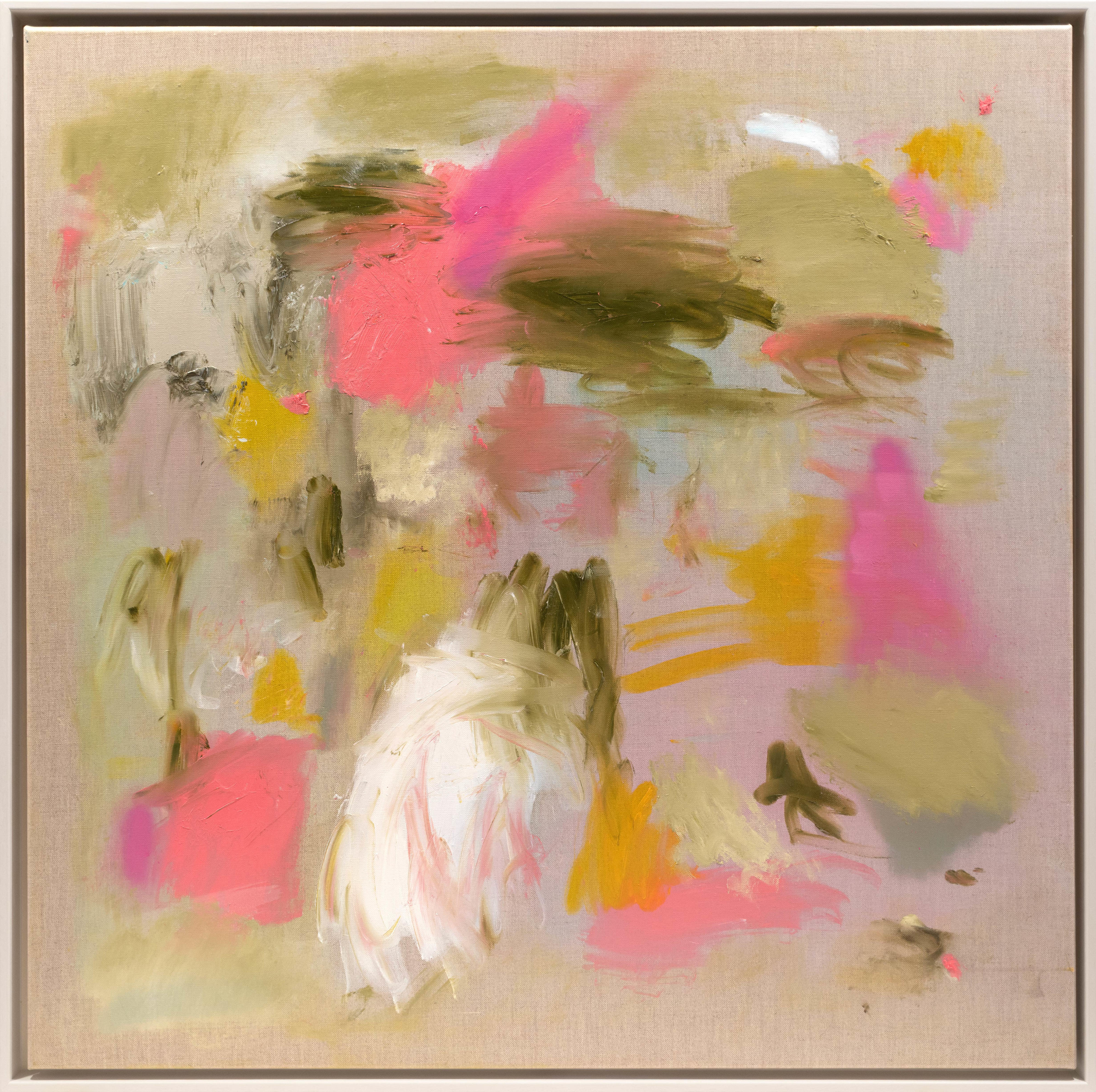
Rose Maelstrom Framed Size: 106 x 106 cm 106 106
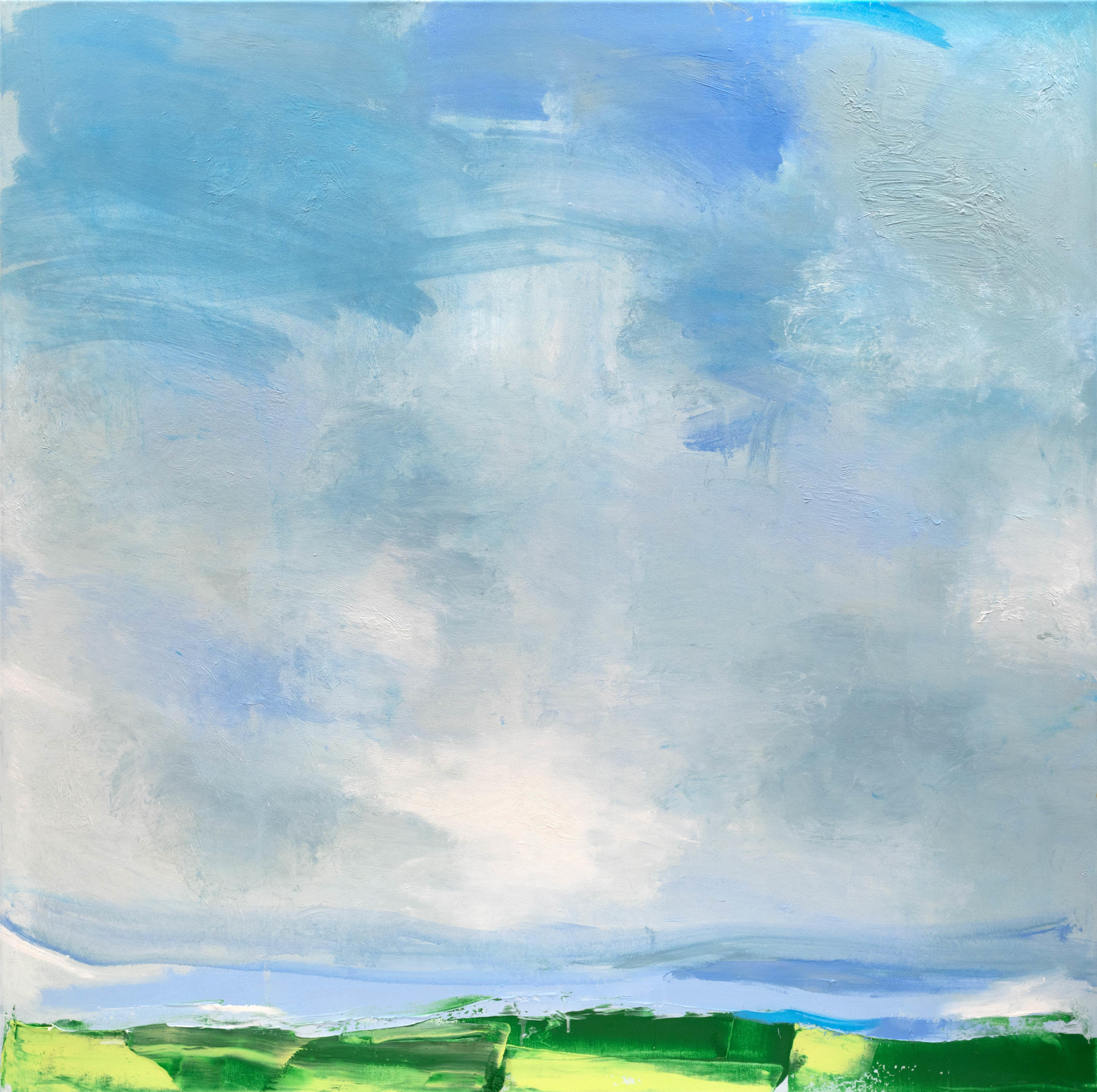
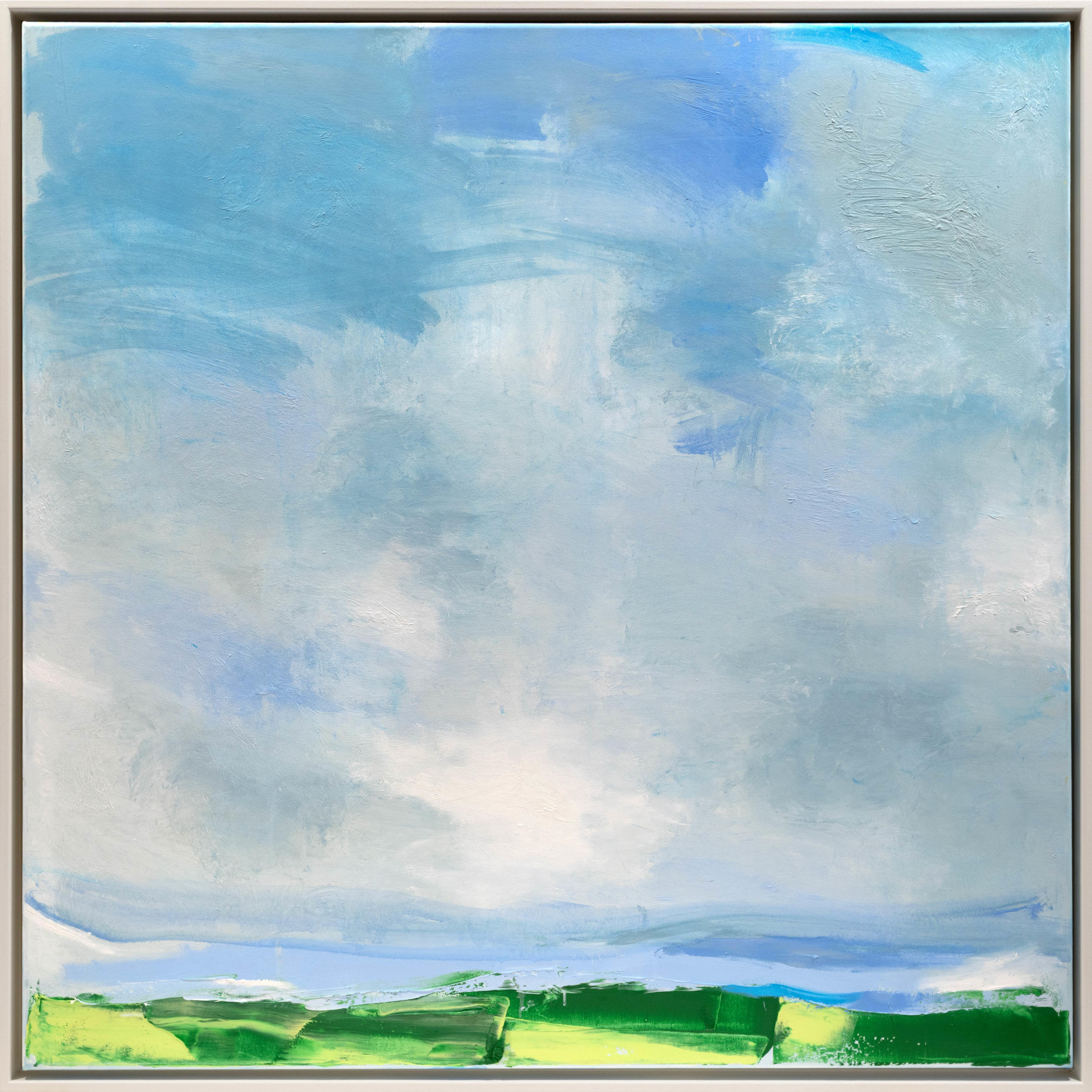
Sea View Solway Coastline Framed Size: 106 x 106 cm 106 106
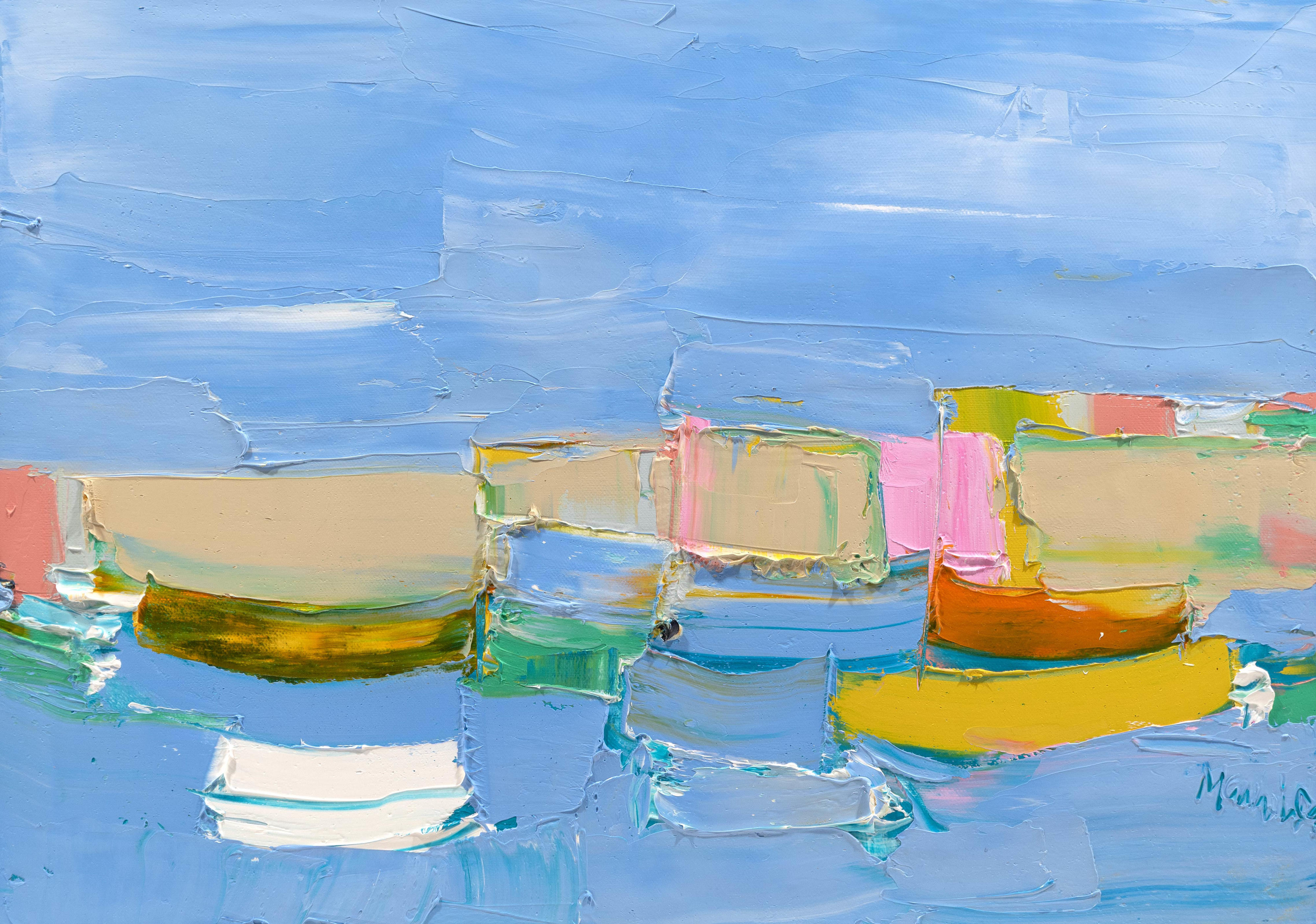
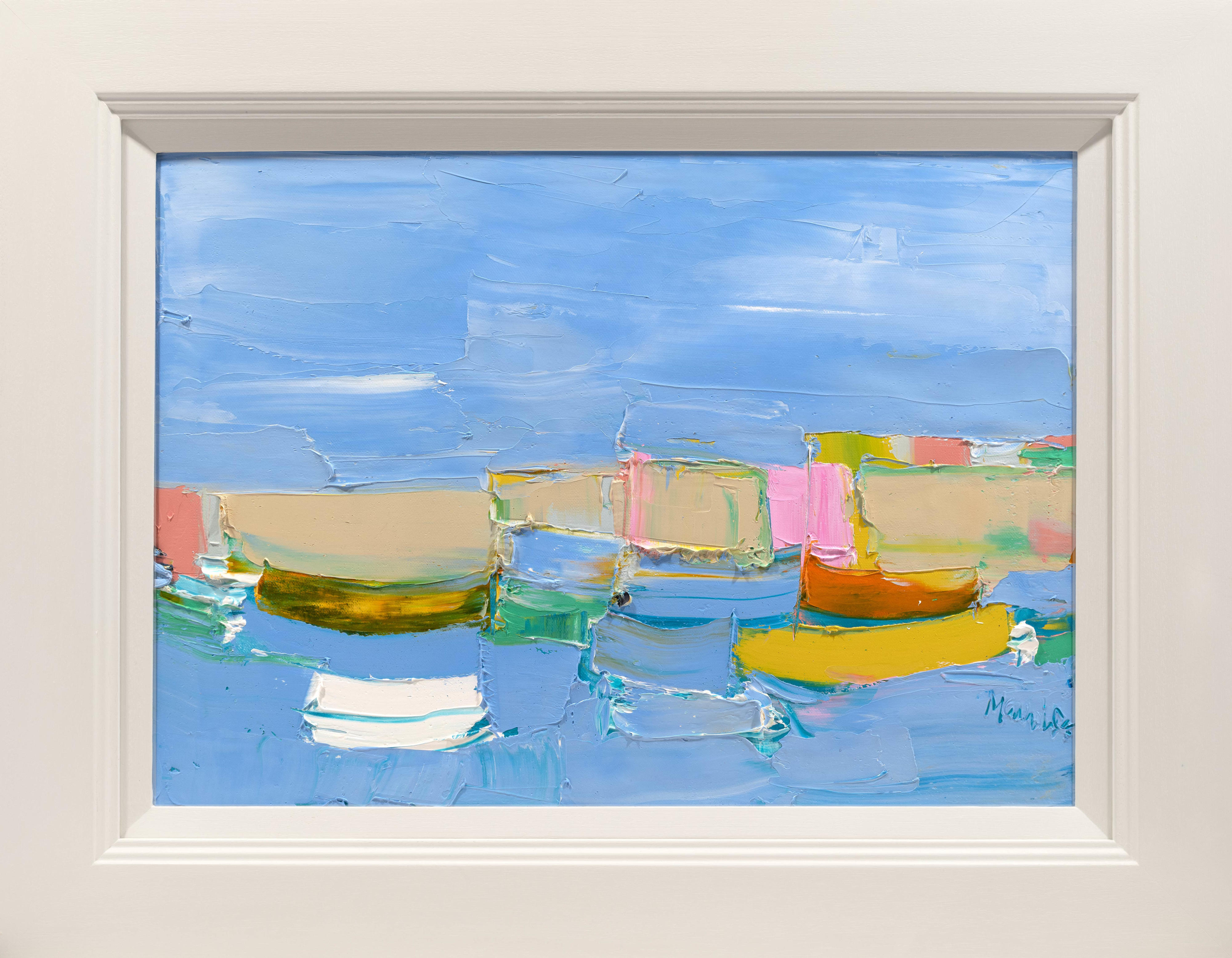
Vernazzo Harbour View Framed Size: 77 x 59 cm 77 59
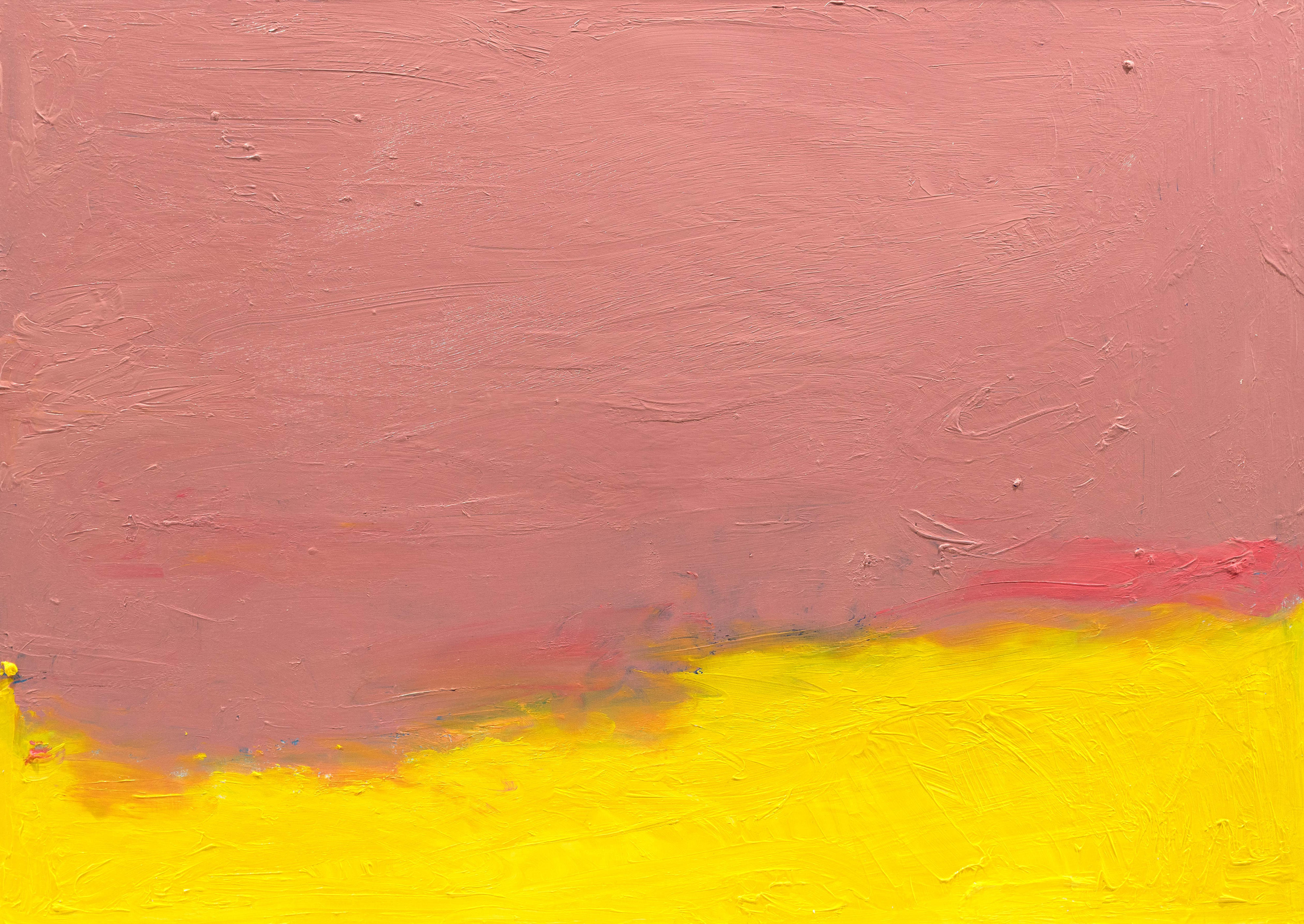
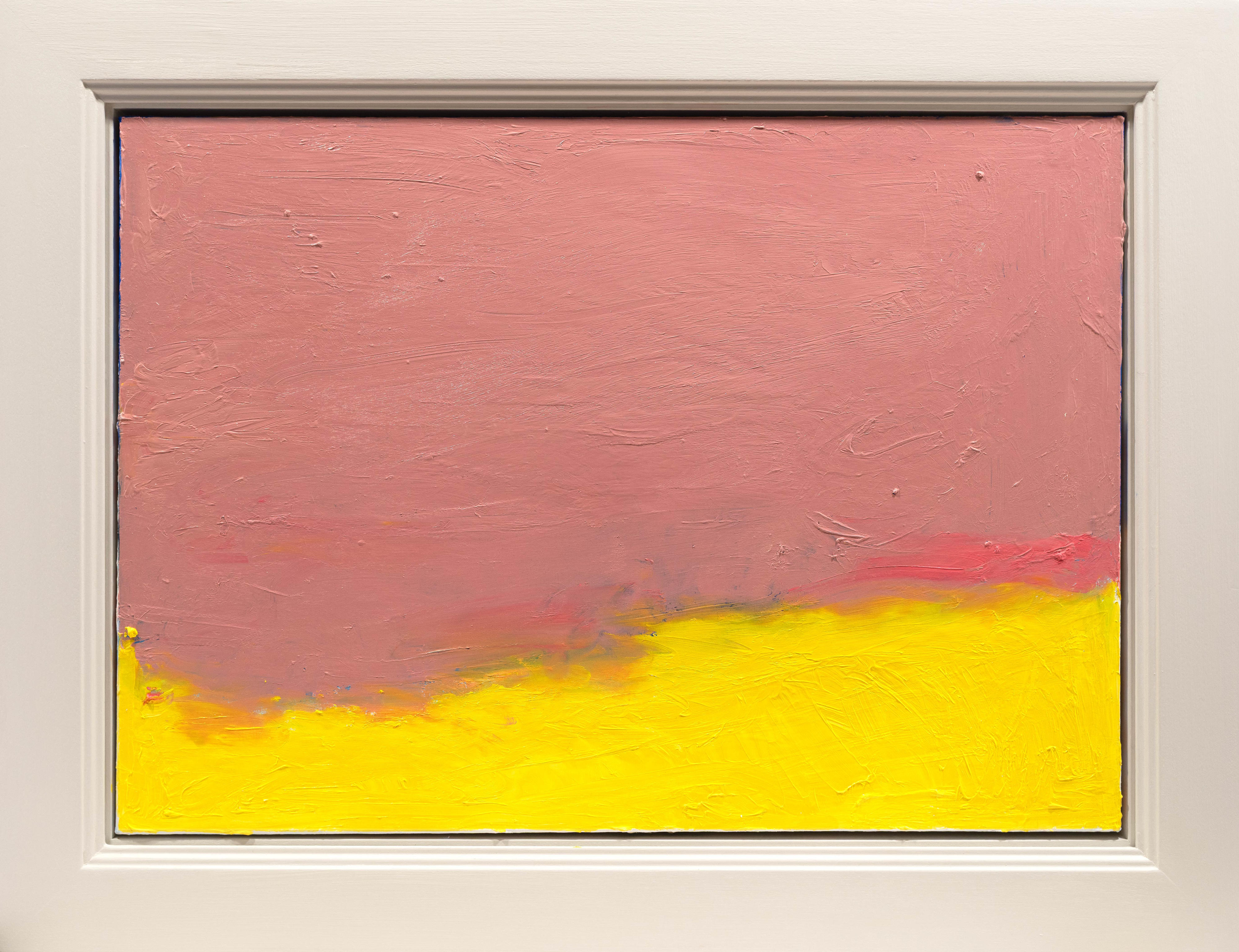
Rose Choral Framed Size: 86 x 66 cm 86 66
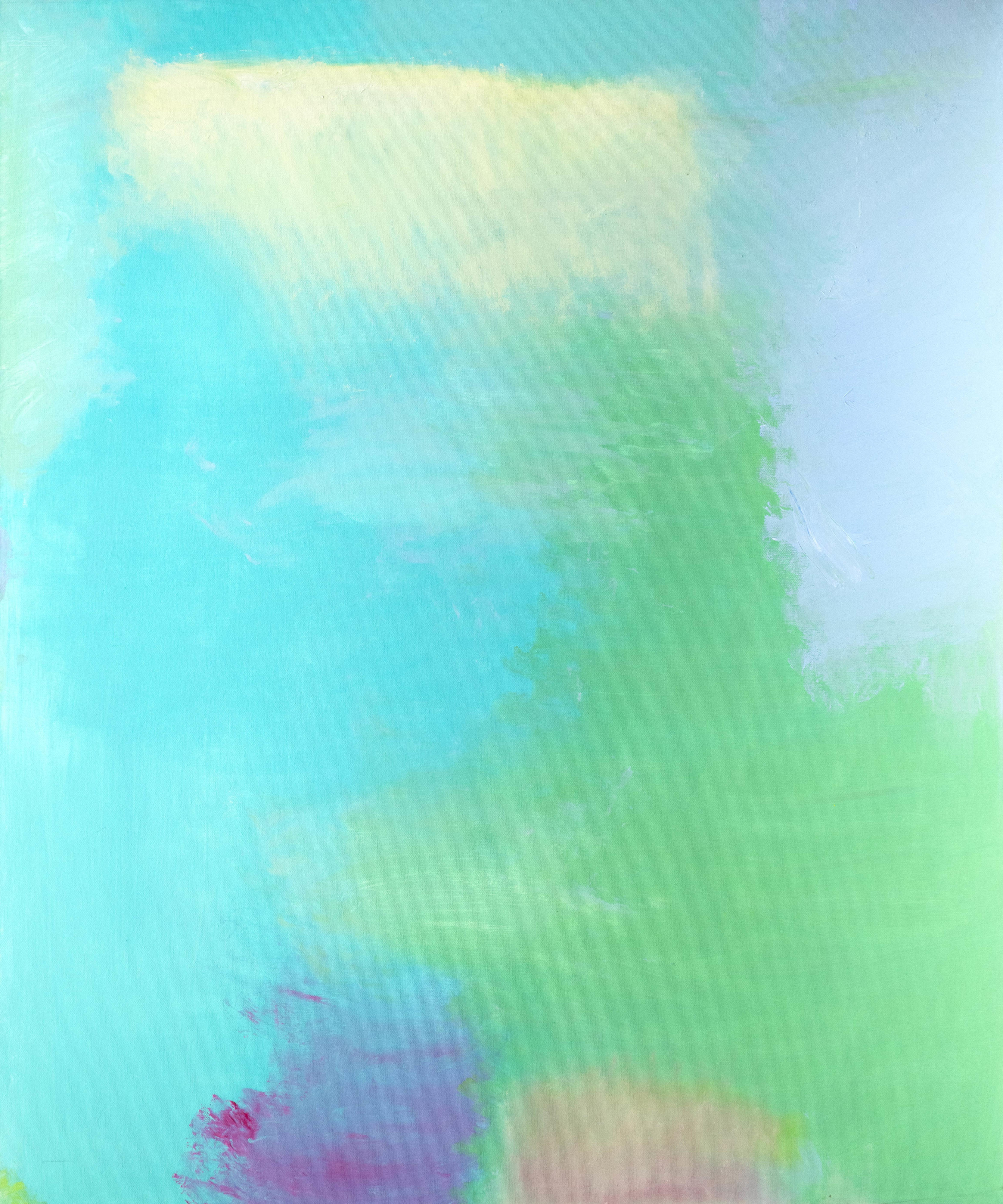
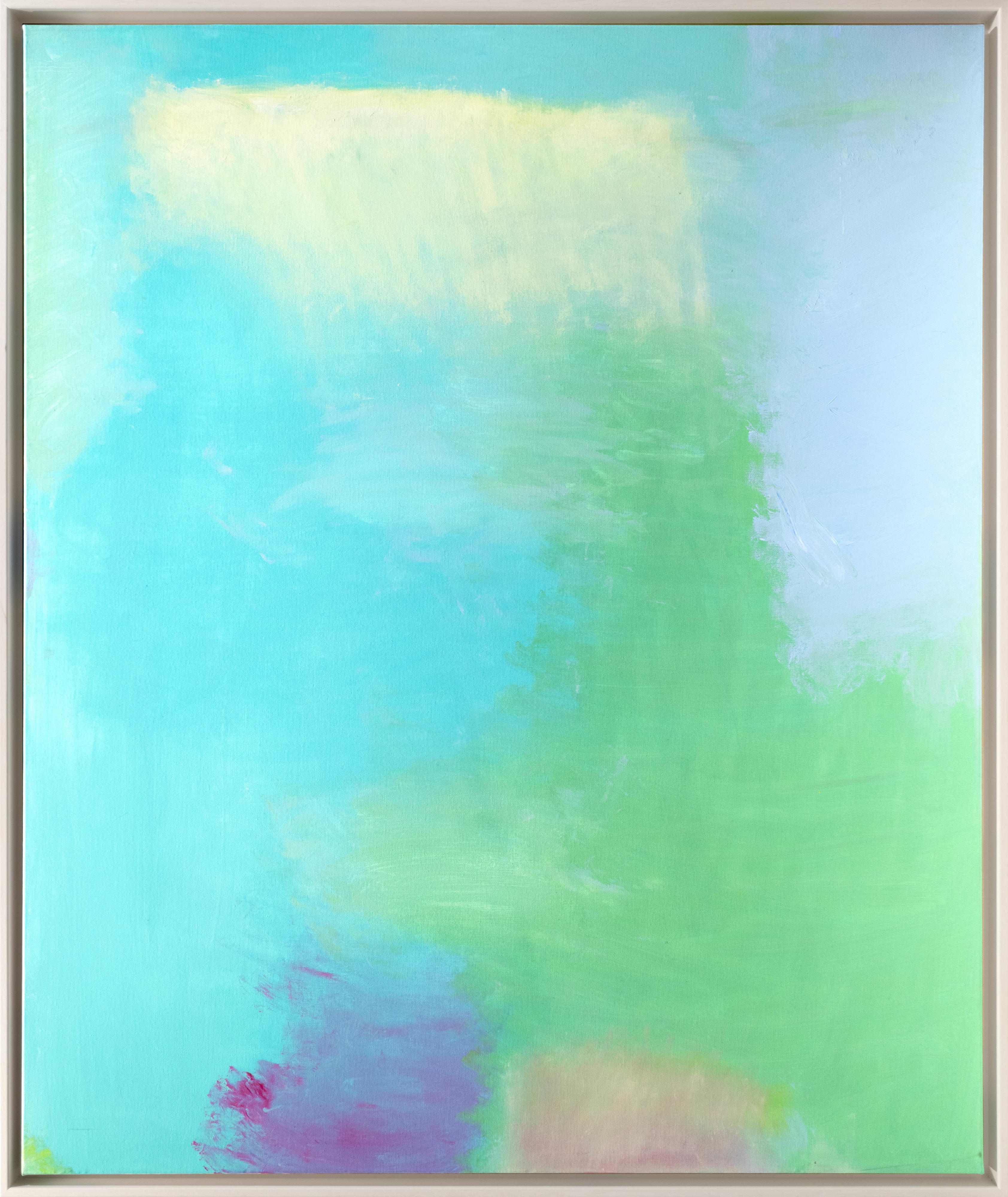
Sonnet 30 Framed Size: 125 x 106 cm 125 106
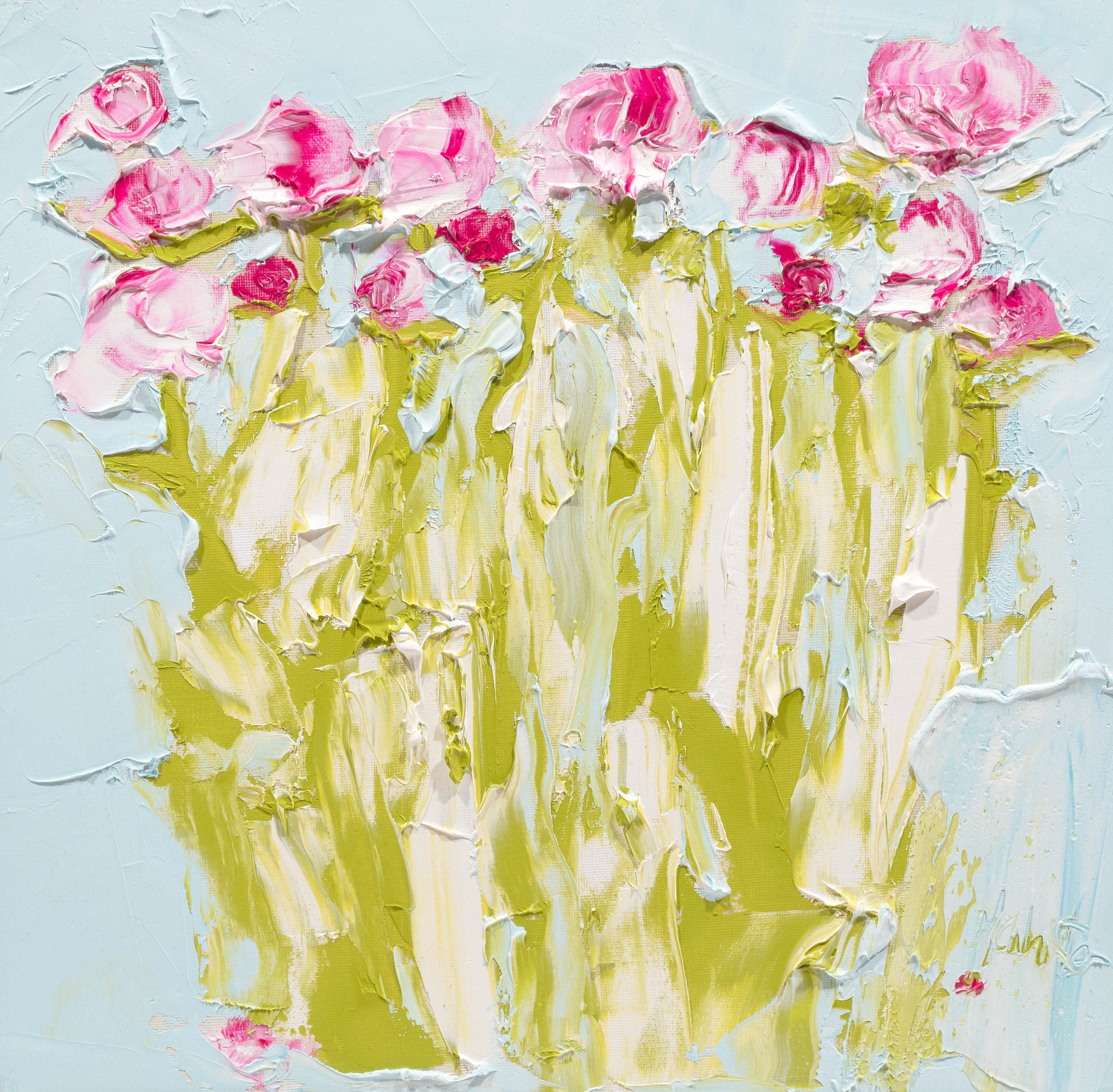
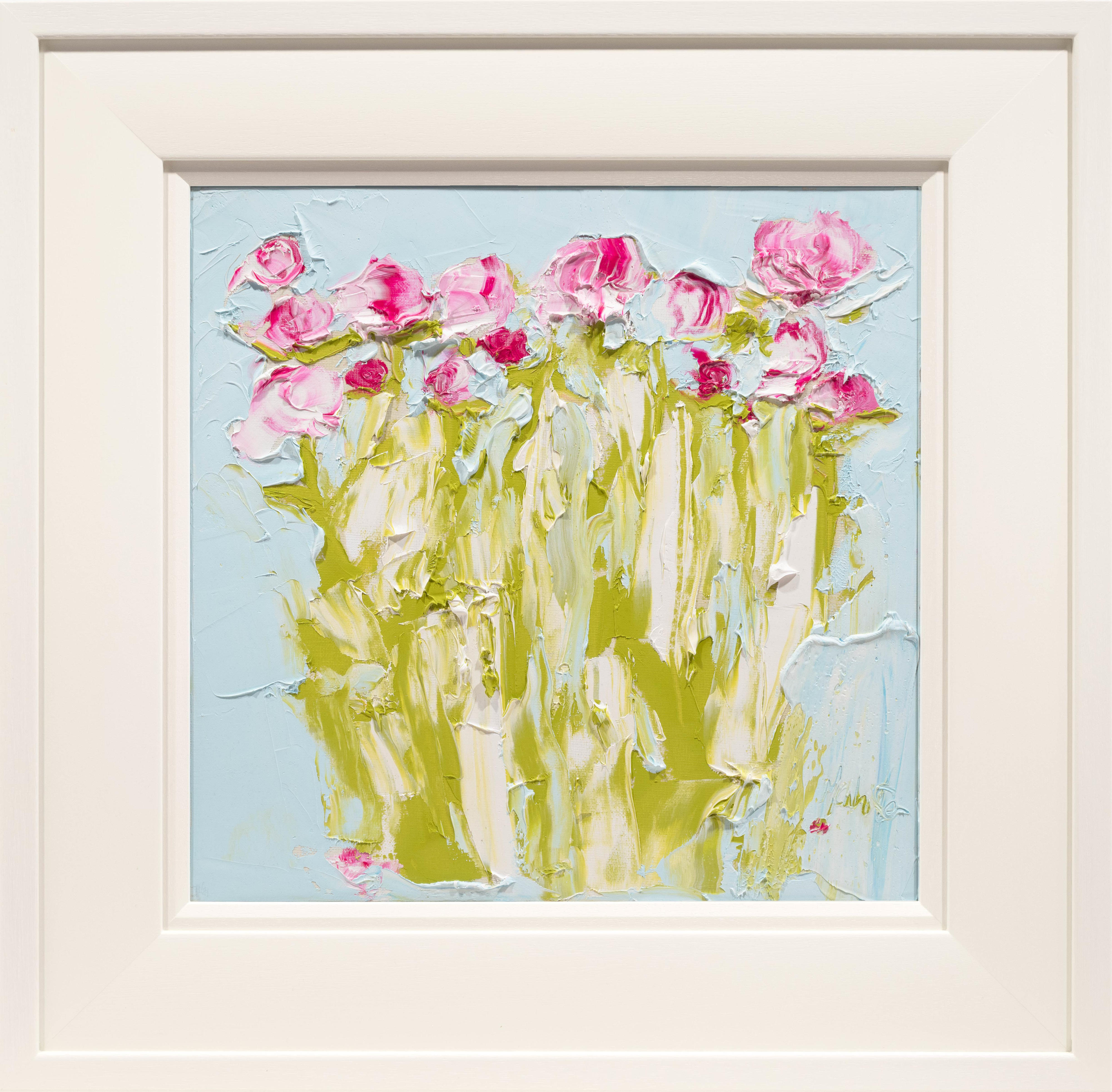
Garden Peonies against Sky Blue Framed Size: 59 x 59 cm 59 59
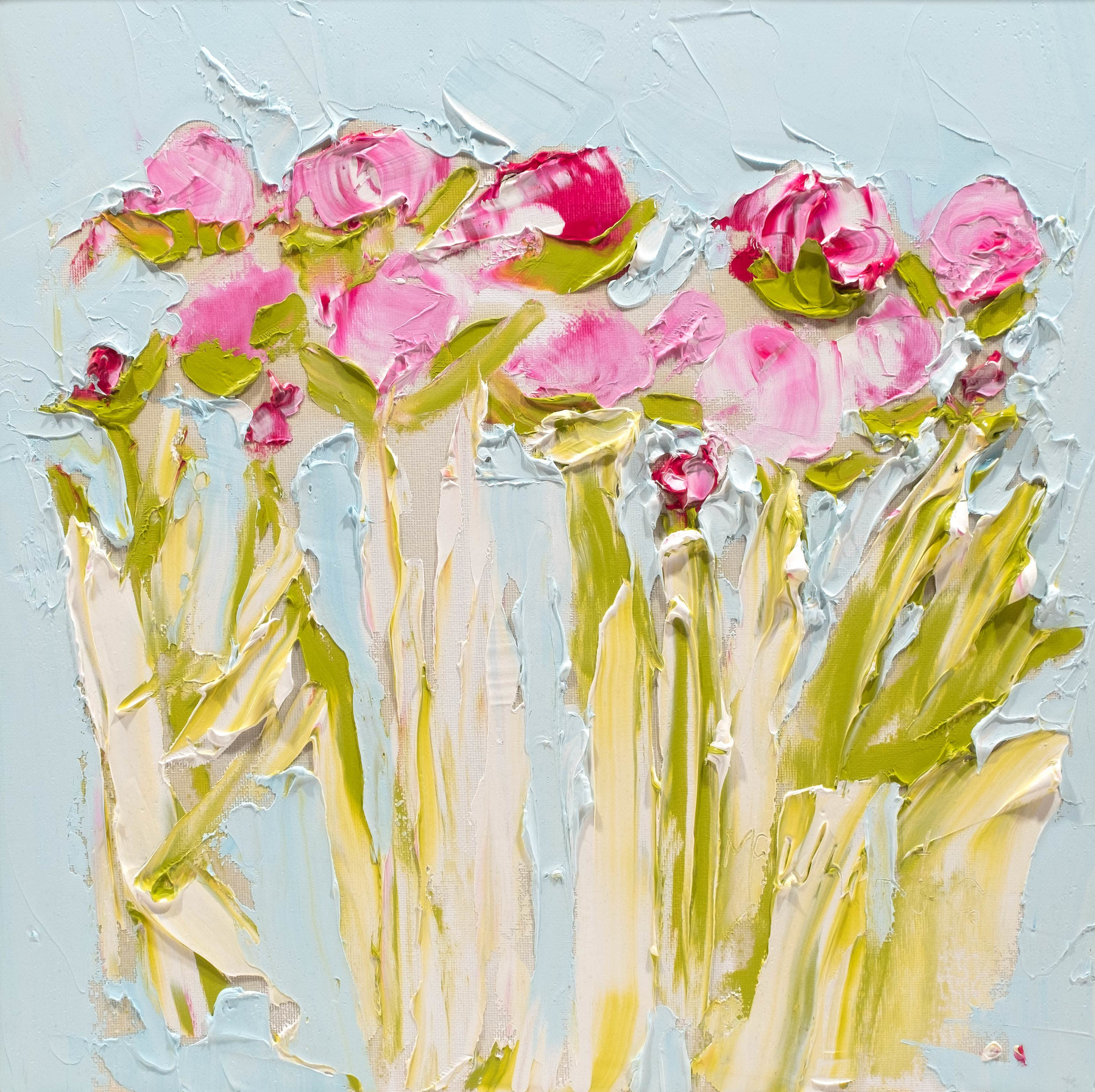
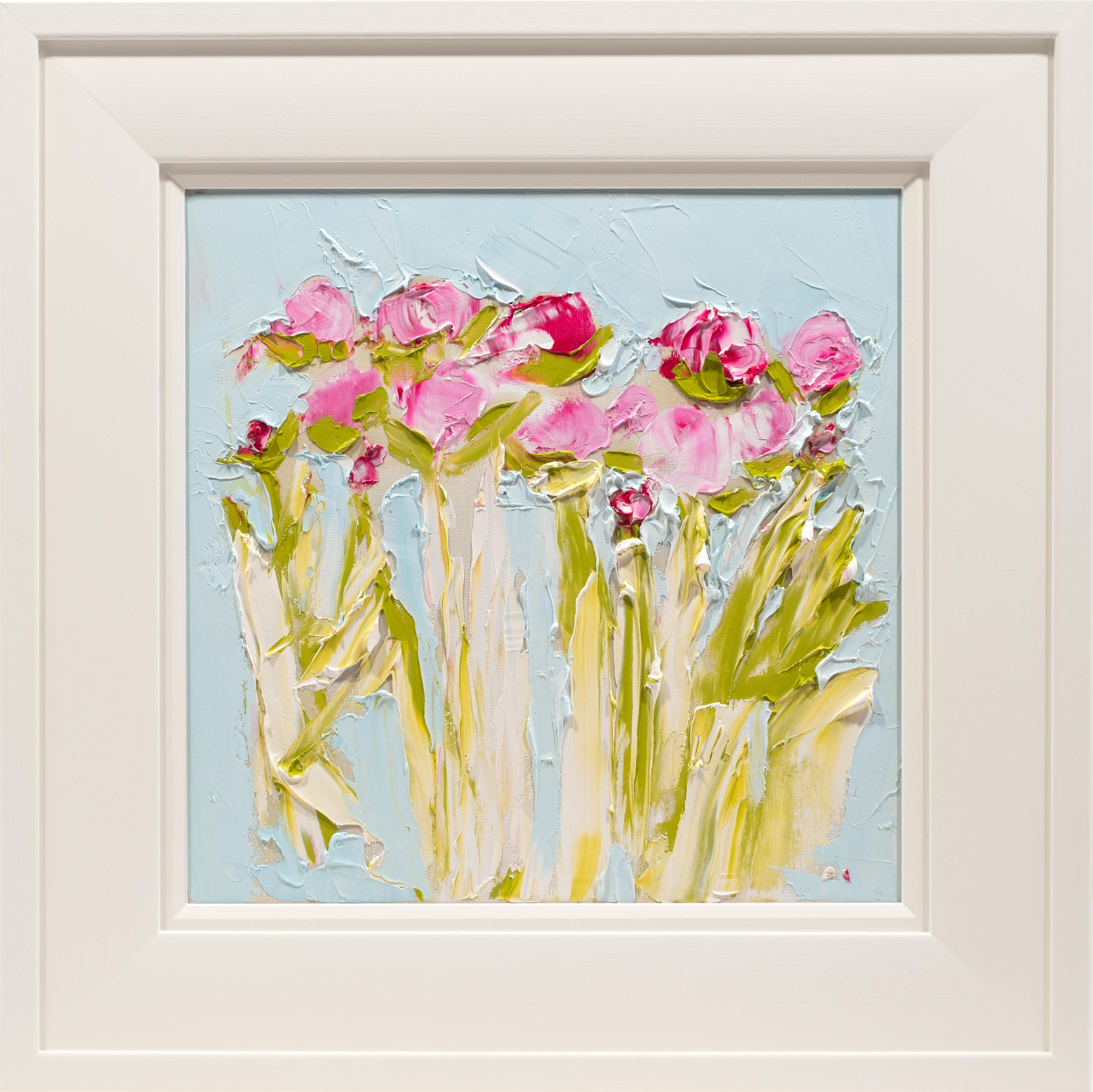
Garden Peonies in Sky Blue Framed Size: 59 x 59 cm 59 59
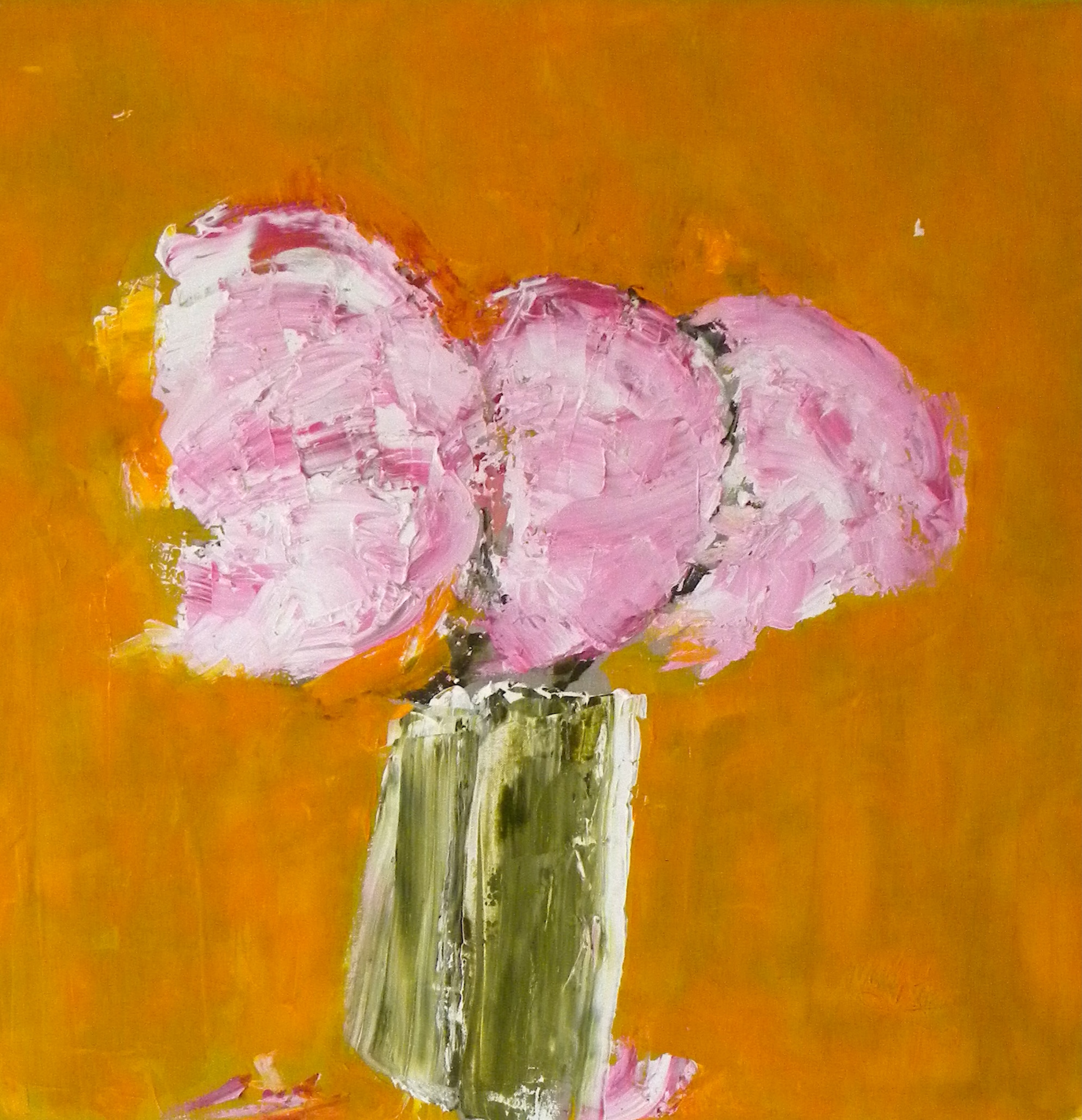
La Vie En Rose, our first solo exhibition of Alison McWhirter’s paintings, brings together a series of abstract paintings alongside still lifes of roses grown in Alison’s own garden and painted from life. In the abstract works, the rose is a point of departure for Alison’s enquiry into rhythm, memory, and emotional resonance. These paintings function as transcriptions of musical compositions and poems in which the rose is central. Sound and language are translated through texture, colour, density, and gesture. Rhythm, repetition, and variation migrate from score and stanza onto painted surface, allowing the experiential qualities of music and poetry to be felt rather than read or heard. In this respect, McWhirter aligns with a lineage of artists, from Joan Mitchell to Cy Twombly, who have used the rose not merely as symbol but as a vehicle for sensation, recollection, and emotional charge.
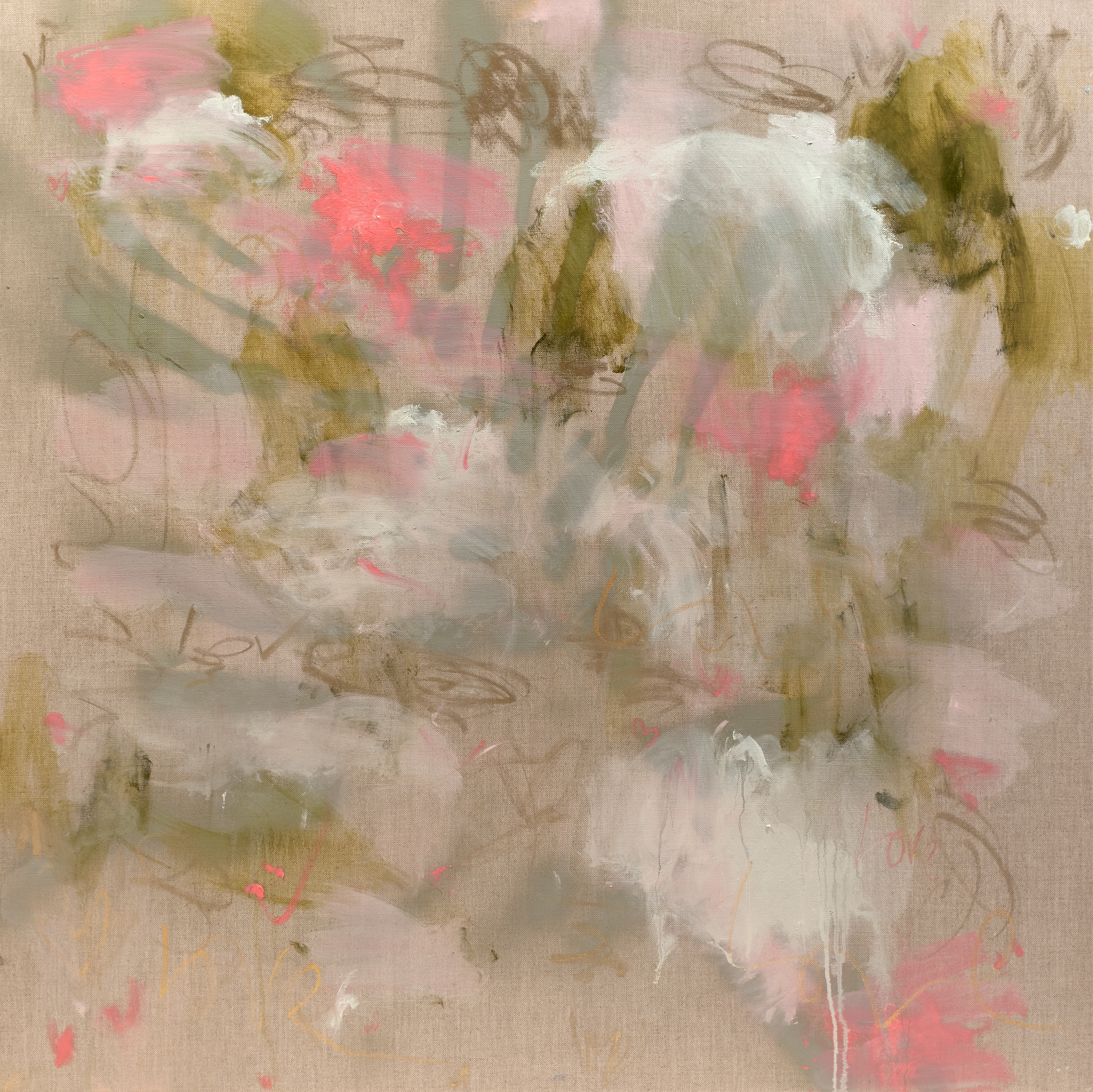
Two of the works take their titles from Shakespeare’s most celebrated sonnets, invoking one of the exhibition’s central concerns: the enduring human desire to resist time through art and through love. Here, the rose holds a productive ambiguity — beauty and melancholy, intensity and transience, longing and loss — while remaining insistently alive as paint. If the abstracts move toward translation and atmosphere, the still lifes operate in counterpoint. Direct, observed, and grounded in duration, they are painted from life and register weather, light, and the sustained act of attention. These works anchor the exhibition in the material and temporal conditions of looking. Together, abstraction and observation establish a dynamic tension between what is seen and what is felt, what is present and what is imagined.
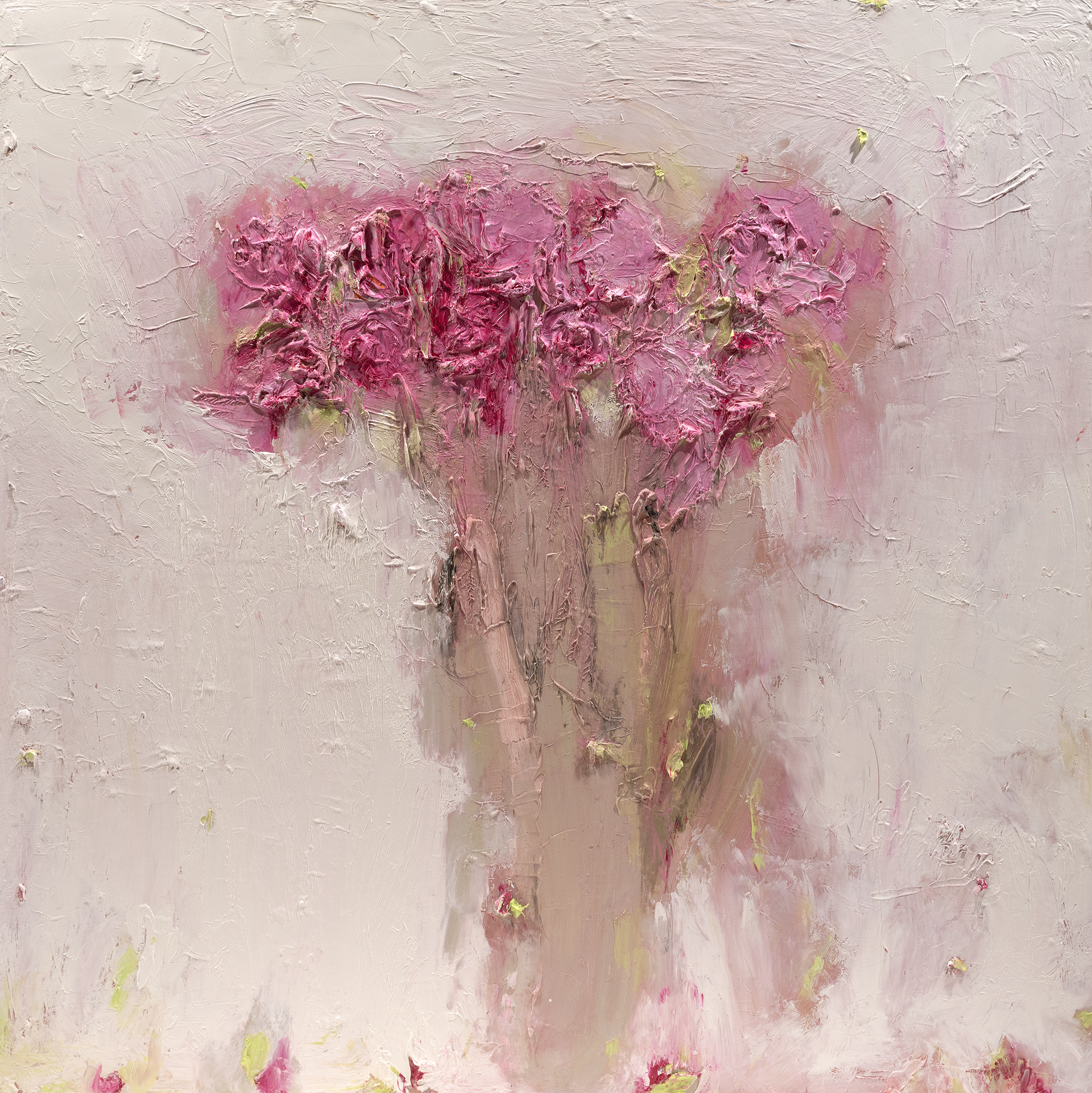
McWhirter’s paintings are exuberant in colour, technically assured, and compositionally daring. There is a palpable friction within them — between depiction and abstraction, spontaneity and deliberation, surface lightness and emotional depth. Colour, for McWhirter, is not decorative but structural and philosophical: it is thought, it is joy, it is pain, it is resistance. It is experience. Through painting, Alison strives to get at the beauty in the things that surround us, to that which elevates us beyond reason. Her paintings seek what she has called ‘pure feeling’, embracing the mysterious nature of the creative process and the uncertainties it entails.
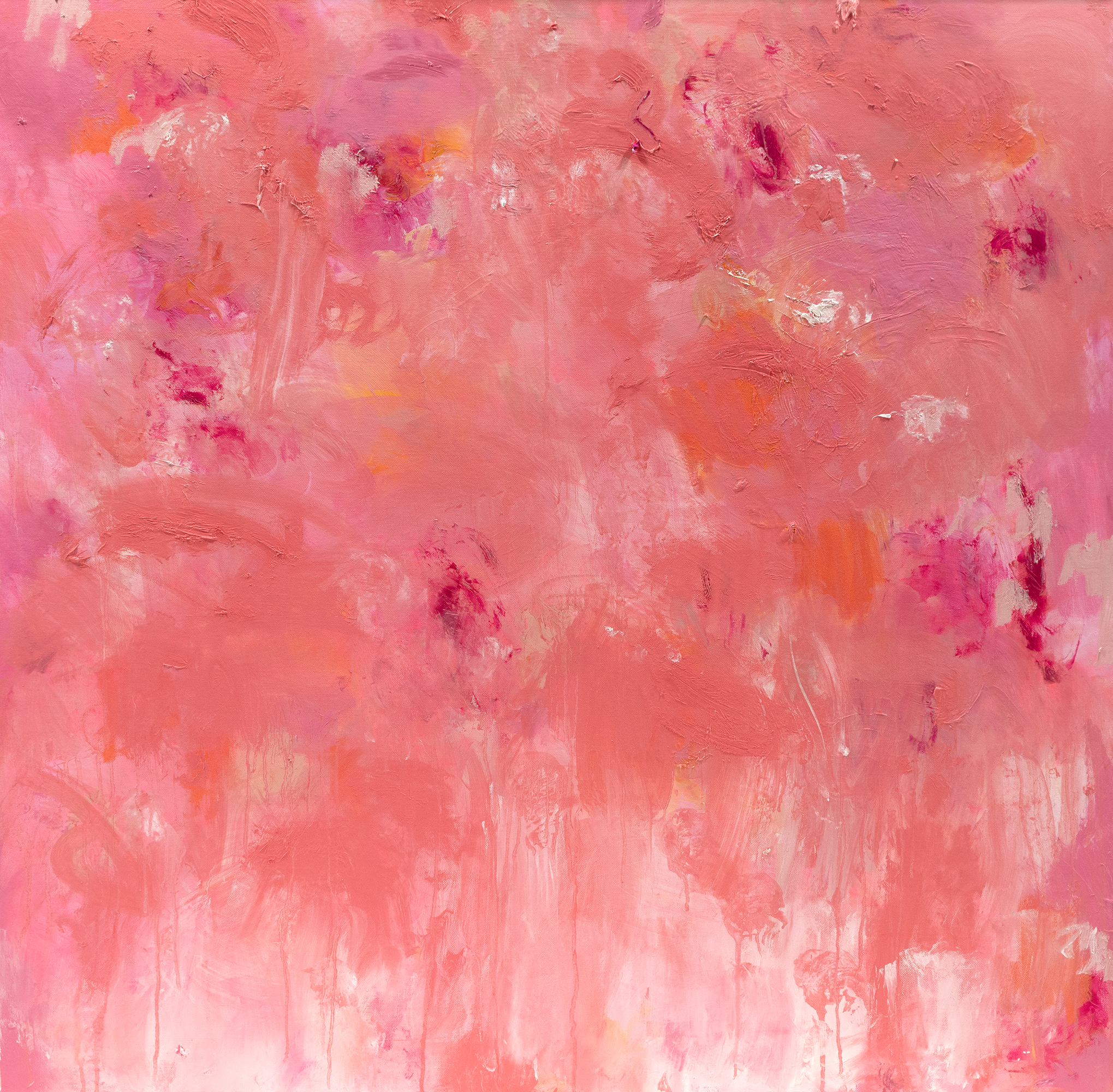
The exhibition’s title draws on the cultural resonance of La Vie En Rose — both Édith Piaf’s 1946 song and the phrase itself — in which perception is altered by intimacy and affect. To see life ‘through rose-tinted glasses’ is not, here, to indulge sentimentality, but to acknowledge the conditions through which experience is filtered, translated, and made visible. Ultimately, as throughout McWhirter’s practice, the paintings return to a single enduring subject: love. There could be no more fitting form than the rose — the artist’s favourite flower — through which love, time, and attention are held in luminous and necessary tension.